



A deeper look at the silent psychological struggles of new parents, as new findings expose widespread intrusive thoughts and stress-related symptoms that demand better awareness and care.
The silent crisis of new parenthood

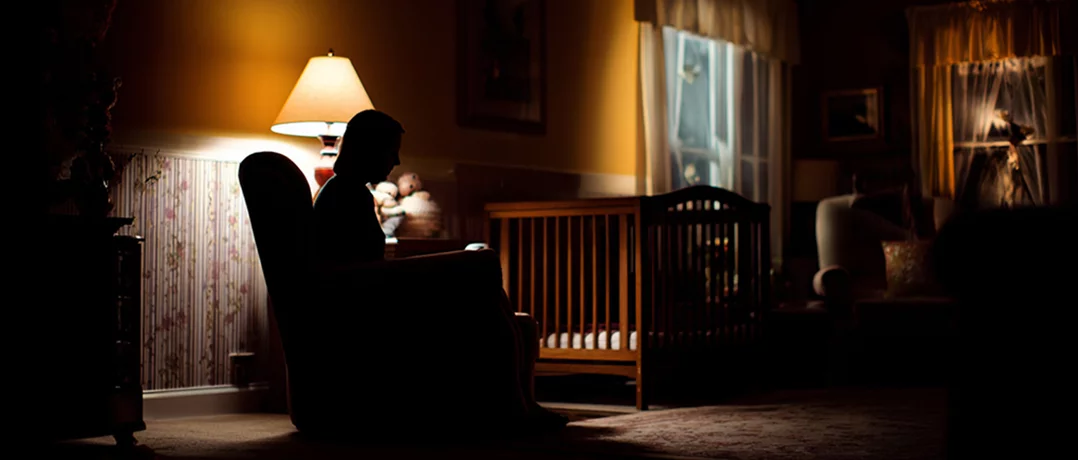
Parents experience heavy mental struggles in the first year after childbirth, revealing that intrusive thoughts and even psychotic-like symptoms are far more common than previously believed (University of East Anglia).
The perinatal period, pregnancy through the baby’s first year, is a time of seismic emotional, hormonal, and identity shifts. Past research has already shown that more than one in five mothers face mental health challenges during this period. But the new study argues that the picture is much bigger and far more complex.
While conversations typically center on postpartum depression and anxiety, researchers say that is only part of the story. Sleep deprivation, stress, hormonal upheaval, and the sheer pressure of caring for a new life all play a role but until now, researchers had not captured the full spectrum of psychological experiences.
How the Study Worked
The research team recruited 349 parents with babies under 12 months old. Participants took part anonymously through an online survey. The results paint a striking picture of early parenthood.
Key findings:
- 96% of new parents reported at least one intrusive thought (unwanted, disturbing ideas or mental images)
- 89% experienced at least one psychotic-like episode (fleeting paranoia or unusual perceptions)
- 31% were considered “at-risk” for psychosis based on symptoms
- Male parents reported higher rates of intrusive thoughts, parenting stress, depression, and anxiety
While the high rates among fathers were notable, the researchers emphasize caution: roughly 90% of participants were female, skewing the gender comparison. Still, the findings hint at a much larger, under-explored mental health burden among men.
What These Symptoms Mean for Parenting
Beyond the numbers, the study highlights how these experiences ripple outward into daily life. Parents reporting intrusive or psychotic-like symptoms also showed lower confidence in their parenting abilities, higher stress, and greater levels of depression and anxiety. In other words, even when these symptoms do not indicate a specific mental illness, they can deeply affect wellbeing and family dynamics.
One of the study’s core messages is that many of these thoughts are far more common than society assumes. The team argues that reducing stigma could open the door to healthier conversations between parents, healthcare providers, and support networks.
But they also stress that normalisation alone is not enough. Intrusive thoughts and psychotic-like experiences don’t always mean there’s a clinical disorder. But they are common and can seriously affect parenting, so they deserve attention.
The researchers call for:
- Early screening during routine postnatal check-ups
- Greater awareness among healthcare workers
- Support that includes both mothers and fathers
- Targeted help for those distressed by their symptoms
Rethink Postpartum Mental Health
This study expands the conversation beyond the familiar labels like “postpartum depression.” Instead, it shows that new parents navigate a much broader and often hidden range of psychological challenges. And because these experiences affect not just parents but family wellbeing, the researchers argue it is time for postpartum mental health care to evolve in response. Early parenthood may always be overwhelming but with proper awareness and support, it does not have to be silent.
-
-

-
The Beiruter
-
