



After decades of serving Lebanon, retired army officers are facing financial uncertainty and an unpredictable future. Their stories reveal the personal cost of a retirement that has not brought the financial stability they expected.
The uncertain future of Lebanon’s retired army officers
The uncertain future of Lebanon’s retired army officers
By Yara Saliba | October 25, 2026

Reading time : 6 min
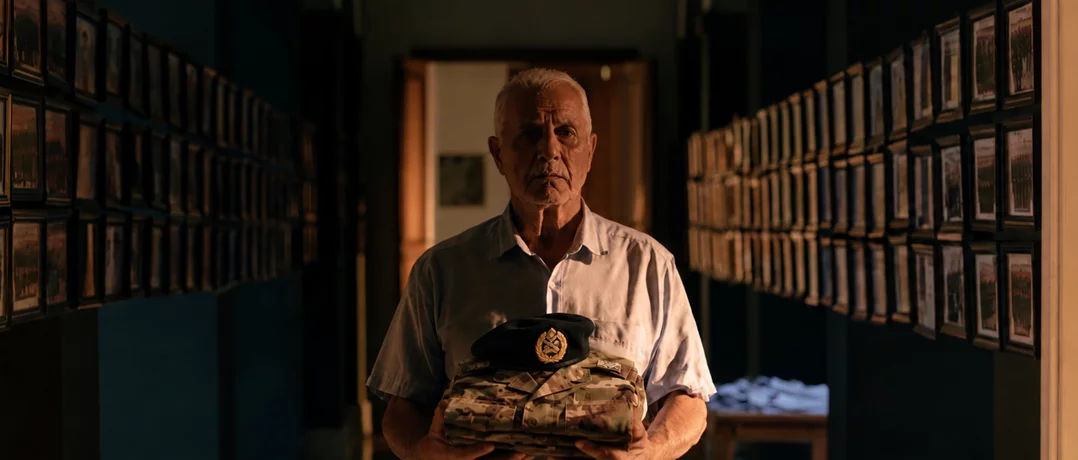
Retirement is supposed to mark the beginning of a more secure chapter after decades of work and sacrifice. But for some retired Lebanese Army officers, leaving the military has brought financial uncertainty, difficulty finding new employment and questions about how to support their families. The economic crisis has disrupted the future they had spent years preparing for, leaving some struggling to make ends meet at a stage of life when they expected greater stability.
The Beiruter spoke with three retired Lebanese Army generals: General Joe Farah, who agreed to be named, and two others who chose to remain anonymous. They are identified in this article by the pseudonyms General Sarah Nemr and General Sami Abdalla.
A retirement they had not imagined
For all three Generals, joining the army represented more than a job. It offered an opportunity to serve their country while building a stable future. General Nemr recalled entering the military believing it would provide both protection and security for her family. She expected her years of service to lead to a comfortable retirement, with compensation that would allow her to enjoy the life she had worked toward. “We expected our future and our families’ futures to be secure,” she said. “In the end, we felt disappointed.”
General Abdalla, who retired after approximately 33 years of service, shared that expectation. He had wanted to join an institution that represented the country, valued discipline and integrity, and offered a dignified life in return for the sacrifices required of its personnel. He said his disappointment was not with the military career itself, but with the financial outcome. Officers who serve for decades expect their retirement compensation to provide stability after a demanding professional life.
The economic crisis disrupted those expectations. General Nemr said the decline in salaries and the loss or unavailability of expected compensation had been difficult to accept. Initially, she and her colleagues believed the situation would improve and that the state would intervene to protect their income. They had not expected the crisis to reach such a point.
The impact of financial insecurity at home
The consequences extend beyond the retired officers themselves, affecting the households that depend on them.
At one point during the crisis, General Farah’s monthly salary had fallen to the equivalent of around $236. After 32 years of military service, he had expected a dignified retirement, with a pension and end-of-service compensation that would provide financial security. By then, his children had completed their education and entered the workforce. During this particularly difficult period, they stepped in to help cover household expenses.
General Nemr described how retirement forced her to abandon plans and projects she had once considered achievable. Instead, she had to restrict spending to necessities. “You can no longer afford what you used to be able to buy,” she explained, describing the need to cut back on nonessential expenses.
For General Abdalla, the financial pressure is particularly acute for retirees whose children are still in school or university. Unlike those whose children have completed their education and begun working, these families continue to face years of expenses without the income they had anticipated. The loss of financial security, therefore, is not simply a question of retirement benefits. It affects the plans families make and the expenses they can afford.
Too young to stop, too old to start again
Finding work after leaving the military has become another challenge.
General Farah anticipated retiring at 58 and deliberately prepared himself for a second career. He eventually found employment, although he acknowledged that this work might not last indefinitely. Now 60, he wonders how many more years he can continue working.
The two other generals have had a different experience.
General Nemr said she submitted her CV after retirement but struggled to find an employer willing to consider her. She recalled that identifying herself as retired appeared to close doors before employers had assessed her qualifications.
General Abdalla, who had worked in financial administration and held senior responsibilities in the army, said his military experience did not easily translate into civilian employment. After decades in a structured institution, he believes starting again in an entry-level position at 58 would be difficult. “I am not working at the moment,” he said, describing the obstacles to finding a suitable position. He added that personal connections can play a role in accessing senior jobs, and emigration may seem like another option.
Their experiences highlight a difficult transition: officers who may still be capable of working find themselves searching for a second career in which their age, rank and specialized experience do not necessarily translate into employment opportunities.
Disappointed by the state, not the army
Despite their frustration, General Nemr and General Abdalla distinguished between their disappointment with the state's handling of retirement compensation and their relationship with the army.
General Nemr argued that the military continued to provide what it could, including medical care and some financial support, despite its own limitations. She said responsibility should lie with those who caused the crisis rather than with the institution in which she had served.
General Abdalla similarly argued that responsibility for retirement compensation lies with the state and the relevant public authorities, rather than with the army itself. Despite his disappointment over the financial difficulties retirees face, he expressed gratitude for what the military institution has provided to its personnel throughout their service, while calling for stronger advocacy on behalf of retired officers to ensure their concerns reach the Cabinet, the Ministry of Finance and Parliament.
General Farah also warned that the financial crisis has consequences for the military institution. He argued that when personnel see their salaries lose their value while the cost of living continues to rise, the resulting financial pressure can affect their motivation and willingness to work. For him, the issue is not only the hardship facing individual soldiers and their families, but also the impact that prolonged financial insecurity can have on morale and productivity within the institution.
Before the crisis, when the US dollar was worth LL1,500, the officers’ end-of-service compensation amounted to approximately $420,000. Today, with the dollar standing at LL89,500, the same amount in Lebanese pounds is worth only around $7,000 to $7,500. For officers who dedicated decades of their lives to military service, this dramatic loss in value represents a significant blow to the financial security they had expected upon retirement. They continue to hope that the government will address their concerns and take steps to ensure that their years of service and sacrifice are recognized through fairer retirement compensation.
For these former generals, the question is not only how to manage retirement, but how to make sense of a future that differs so sharply from what they had spent decades preparing for. They stressed that their grievances were directed at the state’s handling of the economic crisis and retirement compensation, not at the military institution they had served. Some found another job, while others remain without work. After decades of service, these former officers face an uncertain future, hoping for the financial stability and recognition they believe their years of sacrifice deserve.
-
-

-
Yara SalibaJunior Writer/Translator
-
