

In Part II of its investigation, The Beiruter examines how Syria’s post-Assad order has revived northern Lebanon’s economic potential and why Turkey will prove critical to restoring long-neglected Tripoli to its historic role as a gateway to Syria.
Turkey’s economic ambitions in northern Lebanon
Turkey’s economic ambitions in northern Lebanon
By Katharine Sorensen - Soraya Johnson | September 05, 2026

Reading time: 10 mins
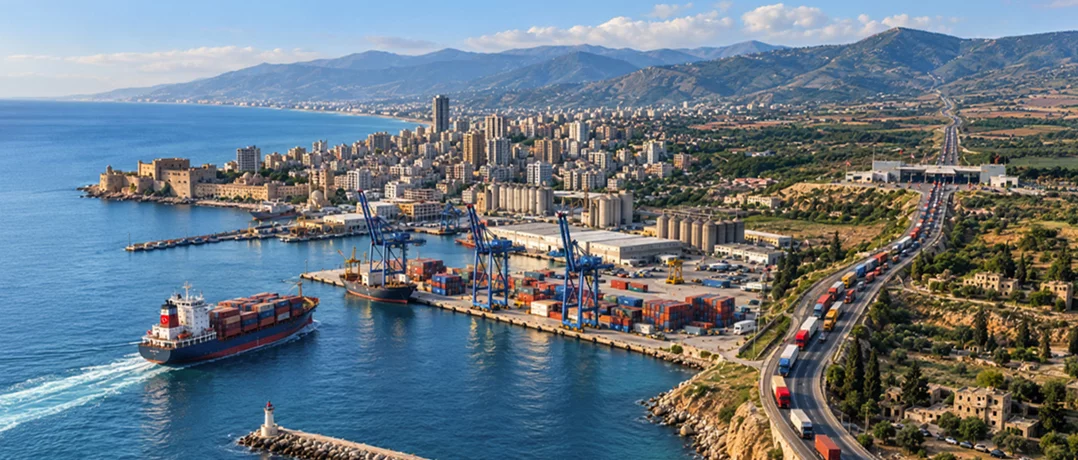
When Turkey and Lebanon signed a free trade agreement in November 2010, the ambition was not limited to trade between the two countries. The agreement envisioned cooperation in “third-country markets,” part of a moment when Ankara was pursuing deeper economic integration with Lebanon, Syria, and Jordan. Within months, that regional project unraveled. The Syrian uprising erupted in 2011, destroying Turkey's once-close relationship with Syrian president Bashar al-Assad and severing the geography connecting Turkey and Lebanon. Lebanon's investment authority says the free trade agreement with Turkey was subsequently put on hold because of the Syrian crisis. Turkey ratified it in 2013. Lebanon never did. Then Assad’s regime collapsed in 2024. Following his ousting, a new government led by Ahmed al-Sharaa emerged, with Turkey becoming the Sunni leader’s principal external backer. For Tripoli in northern Lebanon, the change has revived hope of returning to its prosperous roots as the Mediterranean gateway to the Syrian interior. Lebanon's second-largest city has long possessed the geography to serve as a critical trading hub, but years of neglect from the Lebanese state has left much of its transport infrastructure underdeveloped. Now, the prospect of rebuilding Syria has reinvigorated the potential value of those assets, as the interests of regional powers are aligning in favor of investment in northern Lebanon and as Ankara’s relationship with Damascus makes it an indispensable interlocutor for any Lebanese effort to capitalize on them. “The Turks consider, and we consider, this part of Lebanon to be a gateway to Syria. We have all the possibilities to build great infrastructure here that could facilitate Syria’s reconstruction, trade, and oil,” former Tripoli MP Misbah Ahdab told The Beiruter. The first installment of this investigation examined how Turkey spent two decades establishing a presence across northern Lebanon through locally focused development projects, heritage restoration, education, and cultural exchange. This second installment reveals how these carefully cultivated relationships have acquired new value, as regional shifts create an opening for Turkish–Lebanese cooperation in a part of Lebanon long in decline. Drawing on bilateral economic agreements, Turkish government trade and investment reports, Lebanese plans for Tripoli's transport infrastructure, and interviews with political figures and regional experts, The Beiruter examines Lebanon's chance to seize opportunities emerging from Syrian reconstruction at a moment when Damascus has developed an especially close relationship with Ankara. Tripoli has all the characteristics of a prosperous port city. Its deep waters, land availability surrounding the port, and its position along an unobstructed route to Syria – without any mountains in the way, as is the case for Beirut – have long made it an ideal trading hub. “Throughout history, Tripoli was the most important city on the eastern coast of the Mediterranean,” said Dr. Khaled Tadmori, an architect and professor at the Lebanese University. “It had a port, it had a train, it even had an airport on the sea.” Yet with the creation of Greater Lebanon, political and financial power became more concentrated in Beirut. “Tripoli’s role had been as the port for the Syrian cities,” argued Mustafa Mawlawi, president of the Mawlawi Cultural Center in Tripoli. Now, several of the city's dormant assets are receiving renewed attention. In May 2026, Lebanon launched a tender to rehabilitate the railway connecting Tripoli with Abboudiyeh on the Syrian border. René Mouawad Airport reopened the following month, while the 513,000-square-meter special economic zone adjoining Tripoli's port, established by law in 2008 but never fully activated, recently launched a 100-day plan aimed at securing a private operator. The surge in investment comes as Turkey is making much larger commercial commitments immediately across the border in Syria. Since Assad’s fall, Turkish companies have moved into improving port infrastructure along Syria's Mediterranean coast, including a $190 million build-operate-transfer agreement signed by Turkey's Kuzey Star Shipyard with Syrian authorities. But Turkish government documents reviewed by The Beiruter show that Ankara's commercial apparatus sees opportunity in Lebanon’s economy. The Embassy's April 2026 market report describes Lebanon as “a kind of showcase” for markets across the Middle East, Arab countries, and Africa, arguing that direct relationships with Lebanese companies give foreign suppliers access to trading networks extending beyond Lebanon’s small domestic market. The report also notes that Lebanese consumers already have confidence in Turkish brands, which are well known across the country. A second Embassy report, the May 2026 Overseas Investment Lebanon Profile, identifies infrastructure contracting, energy, and tourism among the sectors best positioned for foreign investment. Turkish firms already have engaged substantially in the market: contracting and consulting projects undertaken by Turkish companies total approximately $732.4 million, according to the report, which notes that Turkish contractors continue to bid regularly on Lebanese tenders. Turkey’s commercial activities are already visible in Tripoli. More than 100 drivers a week arrive at the port from Turkey via the Mersin-Tripoli shipping route, while TİKA invested directly in the port's passenger infrastructure in 2025, renovating a waiting room and constructing a drivers’ rest area and mosque. The positioning of various regional powers makes investment more plausible. Although Turkey has deep historical, cultural, and religious roots in northern Lebanon, Ahdab noted that the country was relatively uninvolved for much of the 20th century. Turkish investments accelerated as developments in Syria unfolded Turkish investments accelerated as developments in Syria unfolded. “Lebanon now sits next door to the one country where Turkey holds more leverage than any outside power,” said Dr. Ezgi Başaran, a journalist from Istanbul and academic at Oxford. Modern Lebanese history indicates how external actors often operate within Lebanon through the nation’s various sects, worsening division and destabilizing the country. However, it appears that powers interested in Syrian reconstruction, Turkey included, have a greater incentive to help stabilize Lebanon than continuing to wage their competitions for hegemony on Lebanese soil. Saudis and Turks, for example, have historically competed across the Sunni and Arab world for dominance, but their recent rapprochement through the Mecca Pact demonstrates that currently, they both find it more useful to be united. Başaran described the pact as the clearest indication yet that Ankara and Riyadh see more to gain from cooperation than rivalry. In Lebanon, she said, their roles are increasingly complementary, with Saudi Arabia bringing financial resources and its longstanding influence among Lebanese Sunnis, while Turkey brings its relationship with Damascus and potential role in reconstruction. For those seeking investment in Lebanon’s long-neglected north, the patronage of both regional powers is welcomed. “With the rise of Erdoğan, there was a shift toward Turkey,” said Ashraf Rifi, former justice minister and former general director of the Lebanese Internal Security Forces. The first installment of The Beiruter’s investigation revealed the lattice of local restoration and aid projects deployed by Turkey across northern Lebanon, working through municipalities to reinvigorate cultural connections and goodwill. Dr. Tadmori, who helped develop some of those relationships while serving on Tripoli’s municipal council, said Turkey is now placing greater emphasis on engagement at the national level. “What I can see now is that they are focusing directly on the government and having their relationships directly with the ministries. Doors are more open than they were before.” After years in which much of Turkey’s engagement in northern Lebanon was most visible through municipalities and other local institutions, its relationship with Lebanon is becoming more prominent at the highest level of government. Prime Minister Nawaf Salam traveled to Istanbul on July 10, followed by President Joseph Aoun's visit to Ankara on July 30, the first visit to Turkey by a Lebanese president in 17 years. As Dr. Barasan explained: Signs of that national-level engagement include Turkish-language training for the Lebanese Army Forces (LAF). Representatives of the Turkish government-funded Yunus Emre Institute told The Beiruter that the LAF approached the institute around 2017, seeking language training for personnel as part of its military relationship with Turkey, a NATO member. Fourteen LAF personnel attended a course in April 2026, with another round planned for September. Turkey has also been active in wanting involvement in the security force replacing UNIFIL, the UN peacekeeping mission in Lebanon’s south, whose mandate ends this December. “Turkey wants to take part in all initiatives that will be launched to support security in the region and ensure Lebanon’s sovereignty,” Erdoğan said alongside President Aoun during his July visit to Turkey. Syrian reconstruction has energized the possibility of investment in Lebanon’s north. Turkey has demonstrated investment interest, and regional powers that have too-often been destabilizing now have strategic reasons to prefer a sovereign and stable Lebanon. The last two decades of Turkish engagement, which reinvigorated Ottoman and Sunni connections between northern Lebanese communities and modern Turkey, may now provide a foundation for closer diplomatic and economic relations between the two states. “Turkey is like petroleum. It burns slowly, but its heat lasts a long time,” said Mawlawi. However, none of this investment is guaranteed without Lebanon properly breaking from its pattern of neglecting the north and cultivating stronger state-to-state relations with Turkey, which has emerged as a key regional power whose cooperation could prove critical to seizing the opportunities presented by Syria’s reconstruction. “Given Turkey’s influence there, building new bridges with Syria will necessarily involve Ankara,” Ahdab said. Should Lebanon successfully seize this moment, strengthen bilateral ties with Turkey, and use regional investment interest to reverse northern Lebanon’s decline, Tripoli could again become a bustling hub through which the economic opportunity along the road to Syria funnels through. Successful partnership with Turkey would further demonstrate how a unified Lebanon can channel the interests of foreign powers in a way that avoids sectarian division and instead advances national development.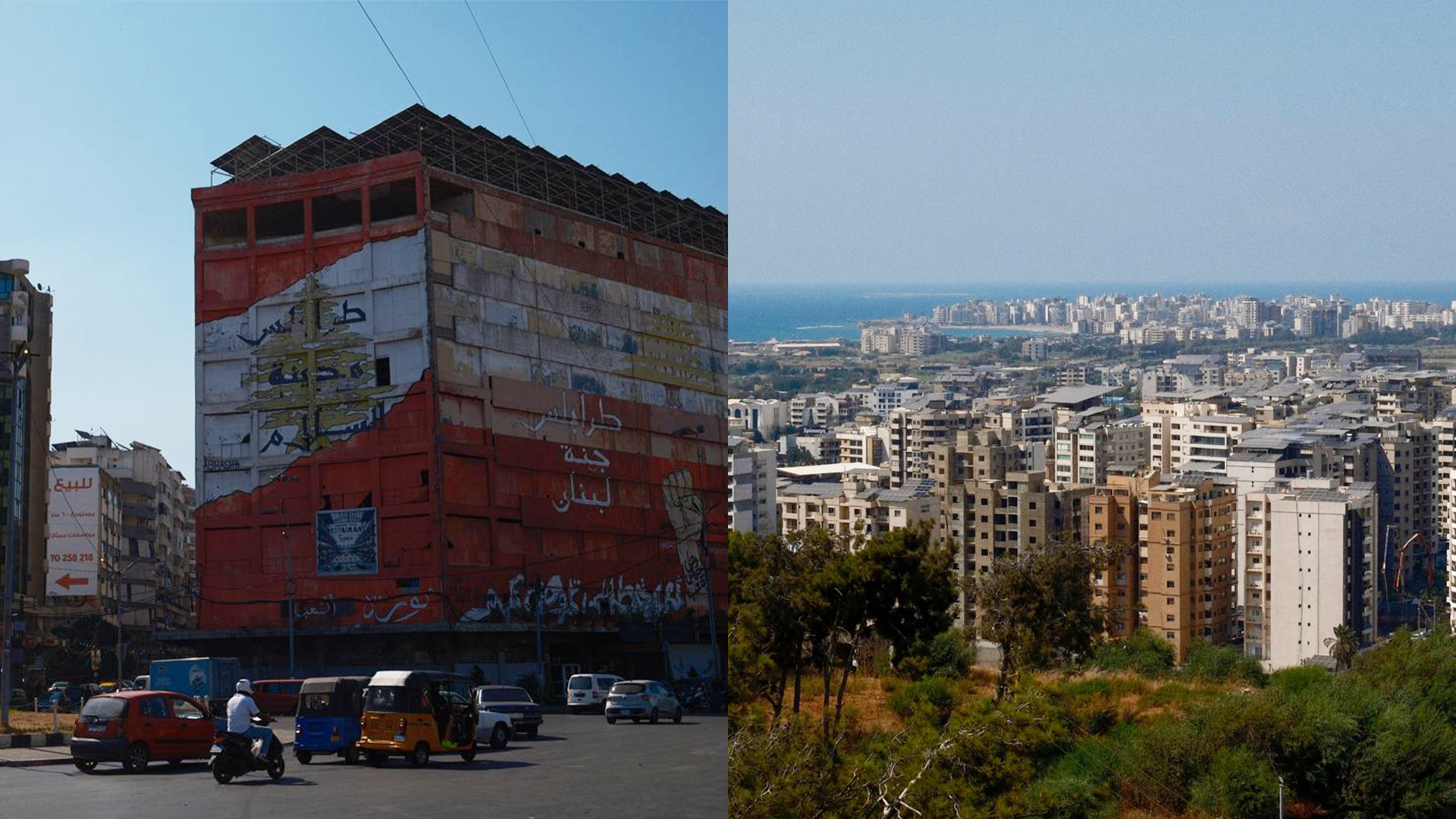 Views across Tripoli, Lebanon’s northern port city. Source: The Beiruter.
The Turks have a clear vision for how to trigger trade in this part of the world and how to complement Syria with Tripoli.
Tripoli’s renewed strategic value
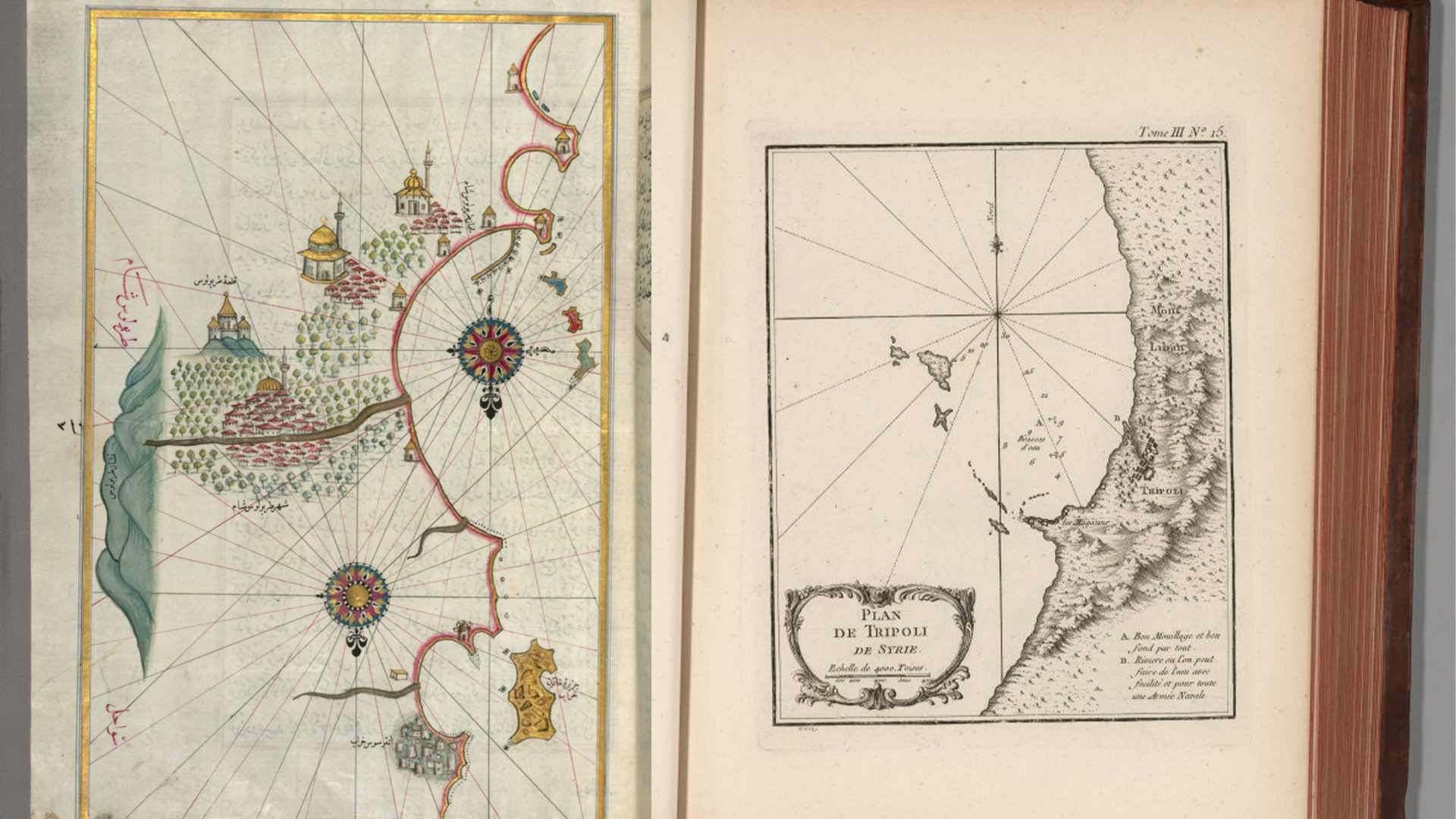 Historic maps of Tripoli and its Mediterranean coastline. Left: Piri Reis’s depiction of Tripoli from the Kitab-ı Bahriye. Right: Jacques-Nicolas Bellin’s 1764 Plan de Tripoli de Syrie. David Rumsey Map Collection, CC BY-SA 3.0.
The new state cut its veins to Syria, and Tripoli lost its role. The government doesn't invest in the city.
From regional rivalry to alignment
Turkey’s Lebanon interest is largely derivative of its Syria interest.
But for the majority of Sunnis in Lebanon, there remains admiration and respect for both Saudi Arabia and Turkey.
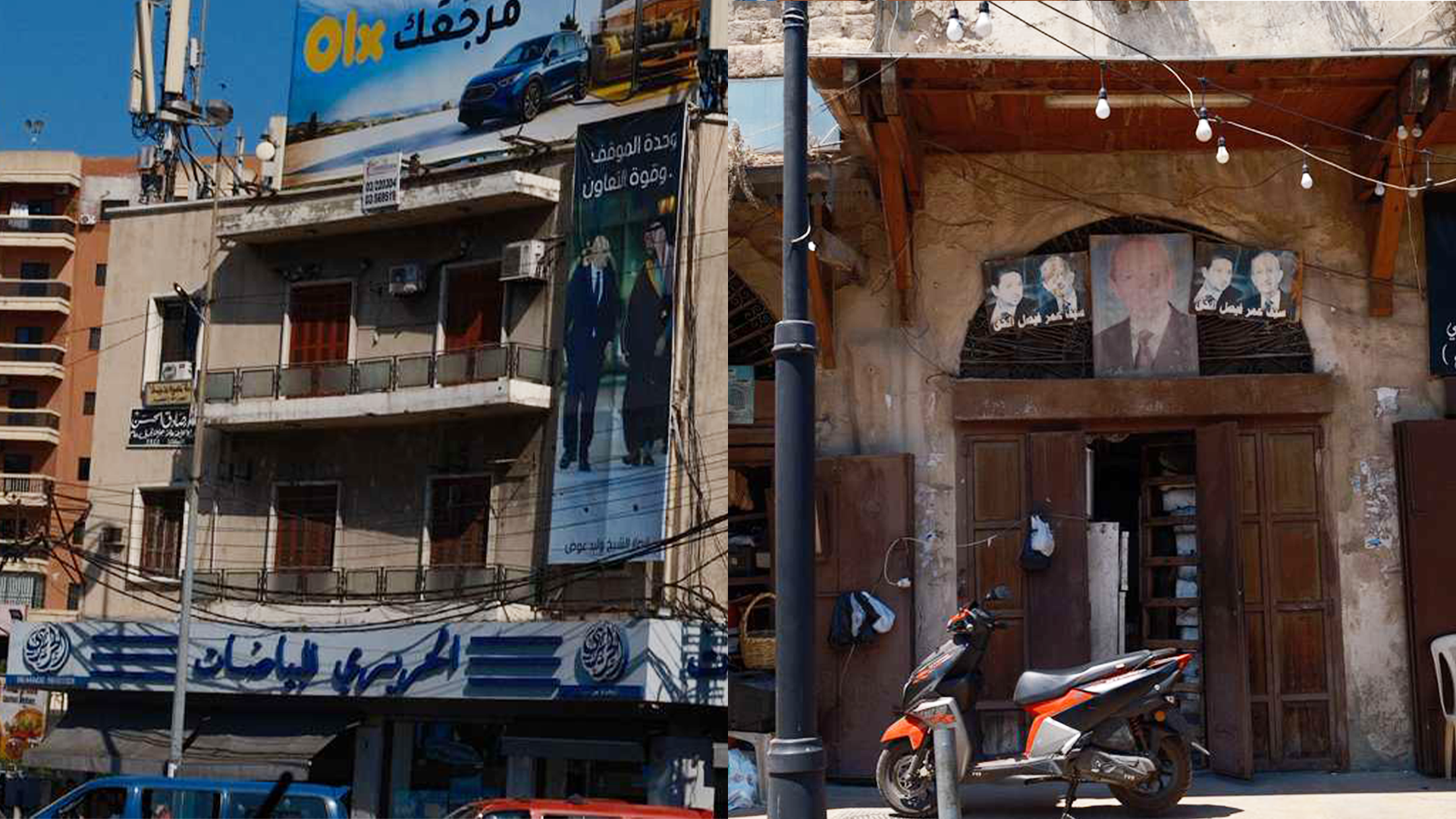 Images of Turkish President Recep Tayyip Erdoğan and Saudi Crown Prince Mohammed bin Salman displayed in Tripoli. Source: The Beiruter.
Diplomacy moves to the highest level
The way the visits were staged was pointedly state-to-state, not sectarian.
Lebanon’s opportunity
They have a plan, and they’re pursuing it slowly but surely. Turkey knows how to work, where to invest, and how to invest.
But if Lebanon doesn’t create stability, there is absolutely no development.
-
-

-
Katharine SorensenReporterSpecializing in global affairs, technology and economics, with a focus on on-the-ground investigative reporting.
-
-
-

-
Soraya JohnsonJunior research/writer
Focusing on political analysis, economic trends, and investigative reporting.
-
