U.S. Congressman Darin LaHood told “The Beiruter that he is leading a push for targeted sanctions and robust state support to break Hezbollah’s hold and help Lebanon reclaim its sovereignty.




U.S. Congressman Darin LaHood told “The Beiruter that he is leading a push for targeted sanctions and robust state support to break Hezbollah’s hold and help Lebanon reclaim its sovereignty.

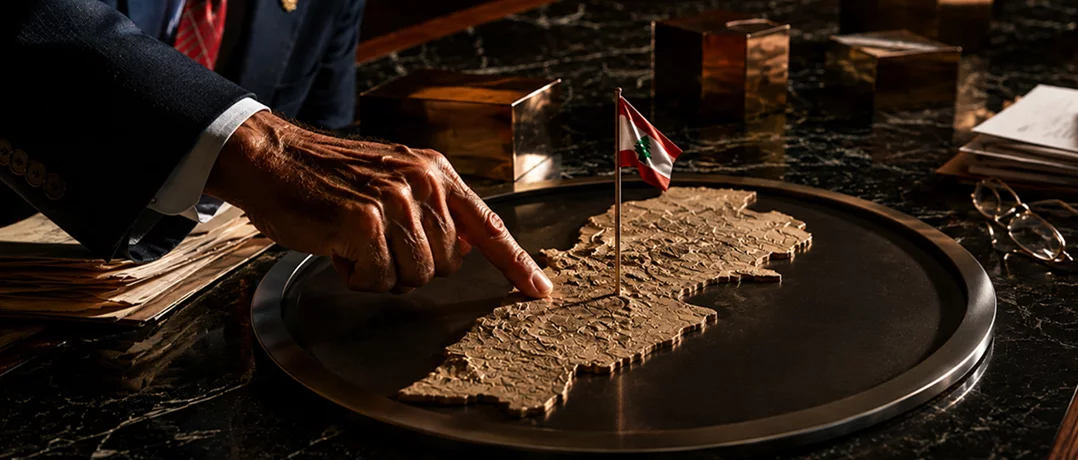
As Lebanon stands at a crossroads between reform and paralysis, Representative Darin LaHood is pressing Congress to act. He’s preparing to introduce a new Lebanon sanctions bill, framing it as part of a broader push to reinforce the Lebanese state amid a volatile Middle East.
“In the coming weeks, I will introduce to the House a bill mirroring the Lebanese Sanction Stabilization and Support Act just presented to the Senate,” LaHood told The Beiruter in an exclusive interview. “It’s time for real consequences for those undermining Lebanon’s sovereignty, especially for Hezbollah and anyone standing in the way of disarmament and reform.”
The Senate bill, introduced by Senators Jeanne Shaheen and James Lankford, would impose targeted sanctions on those backing Hezbollah or blocking Lebanese Armed Forces (LAF) efforts to disarm the group, while supporting Lebanese state institutions. LaHood’s House version aims to go further by rewarding constitutional authorities who assert state control and increasing pressure on those keeping Lebanon tied to an Iranian-backed militia.
For LaHood, a Republican from Illinois and co-chair of the bipartisan U.S.-Lebanon Friendship Caucus, Lebanon’s fate is personal. His great-grandparents immigrated from Aitou in northern Lebanon to Peoria, where his family helped build the local Lebanese American community. Today, he represents a district home to eight thousand Lebanese families whose anxieties about Lebanon’s collapse and Hezbollah’s dominance have shaped his political outlook.
That background, he says, grounds his approach to Lebanon in the language of sovereignty, enforcement, accountability, and state capacity. Before Congress, LaHood served as a federal prosecutor, including a stint as chief terrorism prosecutor in Las Vegas. In Washington, he describes Lebanon as both an ancestral home and a strategic test for American influence.
“Lebanon is in the vital national interest of the United States,” he said. “Today it is more important than ever.”
LaHood sees a rare opening for Lebanon to break free from old patterns. With Iran weakened, Hezbollah on the back foot, Syria’s influence eroding, and new leaders in Beirut, he argues that Washington’s old playbook of containing crises and sanctioning Hezbollah’s financiers is no longer enough.
“This is a once-in-a-generation opportunity today to change the trajectory of Lebanon positively,” LaHood said.
Hezbollah remains deeply woven into Lebanon’s politics, economy, and security. Even weakened, it is far more than a militia: it is a party, a welfare provider, an intelligence network, and above all, Iran’s main instrument in Lebanon. Its core role is denying the state a monopoly on force, especially along the southern border, where outside decisions can pull Lebanon into conflict.
LaHood is blunt: Lebanon cannot be sovereign while Hezbollah holds its own arsenal and command structure. “Disarm Hezbollah,” he insists, but he’s clear that it’s not just a slogan. Real disarmament, he says, takes a strong state able to deploy forces, control borders, stop weapons smuggling, protect its people, and gradually secure Israeli withdrawal from the south.
At the heart of LaHood’s approach is backing the (LAF). Congress is advancing a $1.2 billion, five-year aid package, but for LaHood, results matter more than numbers. He wants to see real change on the ground.
“We have to support the LAF… Full stop,” he said. “The LAF needs new equipment, drone technology, communications, and, crucially, funding to pay its soldiers.” In another formulation, he put the matter more simply: “We need to support and fulfill what the LAF needs. They need some wins.”
For LaHood, “wins” aren’t headline-grabbing clashes with Hezbollah; they’re tangible gains: the army moving south, holding ground, protecting communities, stopping weapons, and showing that the state can provide for its people without a militia’s patronage. The LAF’s rare legitimacy across Lebanon’s sectarian lines is fragile without real capacity. Washington’s job, he argues, is to make the army effective in clear, measurable ways.
But military progress isn’t enough. Disarmament will fail, LaHood warns, if southern Lebanese only encounter the state as checkpoints while Hezbollah supplies aid and services. True reconstruction, he insists, means schools, housing, infrastructure, and a sense that citizens “feel wanted in the government.” The state must supplant Hezbollah not just in conflict zones, but in everyday life.
Sanctions are central to LaHood’s strategy not as political theater, but as hard leverage. His bill would target “any individual that is against the disarmament of Hezbollah” or who opposes “the best interest of an independent, prosperous, and sovereign Lebanon.” That means financiers, political protectors, officials blocking the LAF, and anyone sabotaging reform or enabling illicit money flows.
“Sanctions are not a punishment for their own sake; they are leverage to force the changes Lebanon desperately needs,” LaHood said. “Anyone -official or private citizen- working against Lebanon’s independence, working to shield Hezbollah, must face consequences.”
LaHood’s case relies on precision: sanctions must raise the cost for spoilers without fueling resentment against Washington. The goal is to isolate those sabotaging sovereignty, while backing the institutions and communities poised to rebuild.
He applies the same logic to economic reform. When asked about governance, LaHood was blunt: “All of the above.” From banking and justice to power, ports, and contracts, he sees a system rigged for impunity. Lebanon’s collapse has left the state hollow and citizens dependent on sectarian bosses. Without restoring basic services and rule of law, the state cannot persuade anyone it can protect them from war or from their own leaders.
LaHood’s toughest challenge is Israel. He recognizes Israeli fears after Hezbollah’s rocket attacks. Still, he urges Washington to look “through the lens” of Lebanon’s future and use its military and diplomatic power to shape a more balanced approach.
He warns that if U.S. policy centers only on Israeli concerns, it will never build a Lebanese alternative to Hezbollah. Constant Israeli pressure weakens the very institutions Lebanon needs. LaHood’s solution: empower the LAF, let it secure the south, push Hezbollah toward disarmament, and set the stage for Israeli withdrawal “sooner rather than later.”
Asked if Lebanon should join the Abraham Accords, LaHood calls it premature. “First, let’s focus on the LAF, on sovereignty, on rebuilding,” he said. For him, normalization must wait until Lebanon has true state authority and a secure border. The goal is not a diplomatic spectacle but a foundation for real sovereignty.
LaHood called President Aoun’s Washington visit a turning point, citing the Oval Office meeting as a major success that built trust among U.S. leaders. He pointed to the possible reopening of direct U.S. flights to Beirut as a practical and symbolic shift. Most crucial, he said, were the talks on how U.S. security teams can help Lebanon weaken Hezbollah and stabilize the south.
Still, he admits the limits. Hezbollah is hurt but not gone. Reformist governments have stumbled at home. Israel’s security priorities may clash with Lebanon’s need to build a functioning state. No U.S. bill can rebuild Lebanon overnight.
But LaHood warns that caution is now riskier than action. Hesitation lets Hezbollah regroup, Iran adapt, and Lebanon’s institutions wither. His answer is clear: arm the state, pressure spoilers, push reform, rebuild the south, and keep U.S. diplomacy front and center.
LaHood is not just asking for more aid. He is betting that this moment is different—that Lebanon’s state can finally become stronger than the militia undermining it, and that U.S. policy can help make that real.
If the bet works, Lebanon could move toward true sovereignty. If it fails, Hezbollah will fill the gap again. LaHood’s bill is more than sanctions: it tests whether Washington can turn a fleeting chance into lasting change.
