



Tense talks between Benjamin Netanyahu and US envoy Tom Barrack reveal growing friction between Israel and the Trump administration over Gaza, Syria, and Lebanon.
US scolds Netanyahu over regional policies

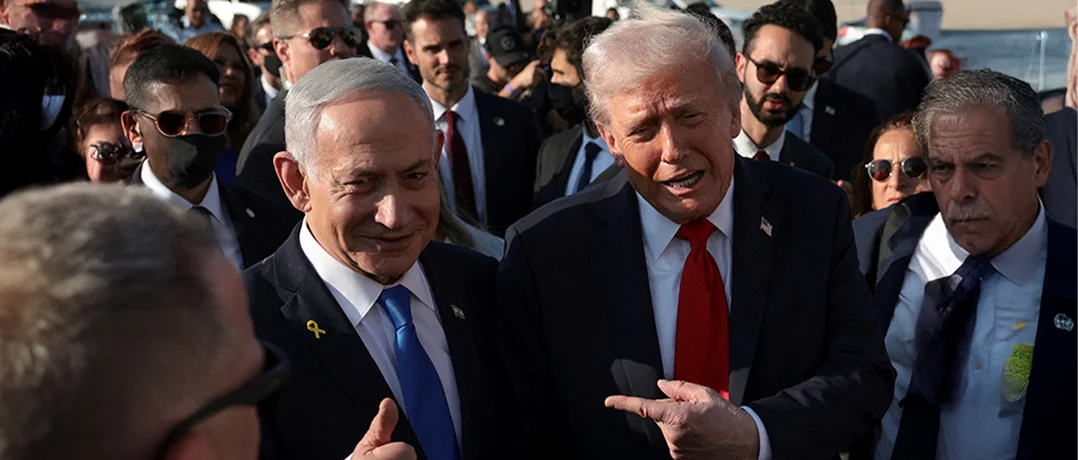
Israeli Prime Minister Benjamin Netanyahu’s meeting in Jerusalem with United States envoy Tom Barrack has highlighted growing strains between Israel and the Trump administration, despite the traditionally close relationship between the two allies.
The talks were unusually tense, shaped by blunt private messages from Washington ahead of a planned US-Israel summit later this month in Florida (on 29 December 2025). At the heart of the discussions were 3 interconnected files: Gaza, Syria, and Lebanon.
Gaza and the ceasefire dispute
The Gaza file dominated the talks. Barrack sought to reassure Netanyahu regarding a potential Turkish role in any international force deployed during a future phase of the ceasefire that began in October 2025.
The US position, as conveyed by Barrack, is that Türkiye holds significant leverage over Hamas and is therefore well placed to push the group toward disarmament. Washington also believes Turkish participation could encourage other hesitant states to join such a force.
However, Netanyahu’s public skepticism about Hamas relinquishing its weapons reportedly angered US officials. Barrack is said to have warned that excluding Türkiye could derail the entire initiative and undermine President Trump’s mediation efforts. Tensions escalated further after Israel killed Raed Saad, a senior Hamas military figure, an action the White House privately described as a violation of the ceasefire. Senior US officials stressed that Washington would not allow Trump’s credibility as a mediator to be damaged, even if Netanyahu chose to risk his own standing.
Broader regional concerns
Beyond Gaza, the Trump administration has expressed unease over Israel’s regional conduct.
In Syria, Barrack reportedly outlined clear US “red lines,” emphasizing Washington’s interest in stability and cautioning that frequent Israeli operations could destabilize the country its interim government that it is seeking to promote and preserve. The US favors a security understanding and appears wary of actions that could weaken the current Syrian leadership or complicate diplomatic efforts.
Regarding Lebanon, US officials are said to support continued pressure on Hezbollah through limited, targeted measures, while opposing any broader escalation that could trigger another regional conflict. These positions reflect Washington’s desire to contain multiple flashpoints while avoiding a wider war.
This broader diplomatic context has fed into skepticism within the White House about Netanyahu’s intentions. Some US officials reportedly believe he is deliberately prolonging conflicts (possibly for his own political career, especially ahead of the upcoming elections next year) rather than advancing Trump’s peace initiative; a perception that has fueled sharp criticism behind closed doors.
In conclusion, the Barrack-Netanyahu meeting underscores a pivotal moment in US-Israel relations. While both sides continue to affirm their strategic partnership, the unusually direct tone from Washington reflects impatience with policies seen as obstructing de-escalation and regional diplomacy. As Netanyahu prepares to meet President Trump, he faces the challenge of balancing domestic political considerations with mounting American pressure to move forward on Gaza, stabilize neighboring arenas, and preserve the broader regional agenda championed by the White House.
-
-

-
The Beiruter
-
