



As tensions rise in the Iran war, Europe and NATO face a strategic dilemma between distancing themselves or aligning with the US to secure global stability.
Wavering Powers and Hormuz rising risks

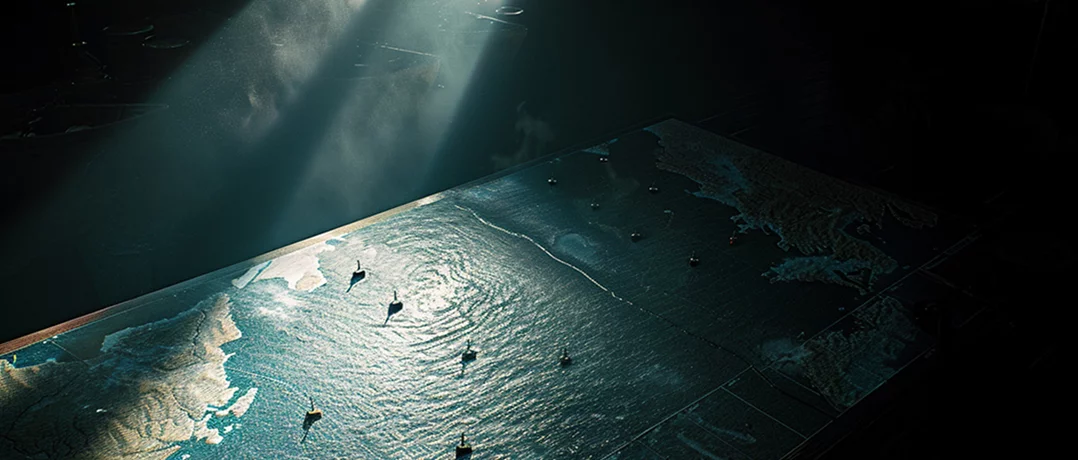
The US-Israel war with Iran, and Tehran’s response have caused a rift in the western world. In the UK, like in Europe, the key question was how far to support the US and how far to distance the UK and EU, from the war altogether. Subsequently, a defensive posture was adopted allowing the US use of air bases, and the UK and France and other EU nations dispatching fighter jets, and maritime vessels to the region to help protect citizens, bases and allies in the gulf.
The Iranian threat to close Hormuz and the economic shocks felt in markets everywhere raised the stakes for all those countries. The intermediate range ballistic missiles launched by Iran towards Diego Garcia’s UK-US joint base in the Indian ocean has maybe helped focus minds as to the levels of threats Iran poses for all close and far.
Many in the UK, Europe, and Nato countries too, and despite the rhetoric of president Trump and his brash social media style of decision making and megaphone diplomacy, are now of the view that they ought to have welcomed president Trump’s request to help in efforts to keep Hormuz open, instead of their blunt rejection that would have been interpreted by Iran as a fissure and spilt in the western alliance. Any operation to secure this strategic waterway would not be an easy task, and regardless of alliances size, such operation would not be workable without a negotiated arrangement, but their initial acceptance of Trump’s demands could have paid them dividends on the long run as reliable allies regardless of the legitimacy of the war.
Crisis always test leaders and their statesmanship. Nato, EU and specially the UK and despite all Trump’s Maga isolationist stance and harm to allies before foes, are tied in a deeply rooted defence and security pacts with the US that predate the second world war, and cannot be undone easily.
Trump has proved to be a difficult ally, and the jury is out whether or not his actions are undoing the old world order. But as Churchill had recognized the challenges of working with allies once, leaders like Macron, Merz and Starmer ought to remember Churchill’s words that
there is only one thing worse than fighting with allies, and that is fighting without them
Yes, Trump is not a classical leader. And Yes, he is maybe trying to force the arms of European allies to submit to his will in a dangerous way in Hormuz to step in to clean up his mess. But it is not as if Iran has not been a challenge too to all US western allies. Iran for that matter has surely been a source of discord and meddling not only trying to overturn its neighbouring Moslem Arab regimes from the gulf to Iraq, Yemen, Lebanon and Syria, but over the years Tehran regime has not left a trick in the book, but used it, to try to undermine peace and security beyond its borders and far away from the Middle East region. Many western nations have found themselves time and again at the mercy of Iranian blackmail, deceit and lies, from detaining innocent western civilians, in the interests of extracting political and financial concessions, to a low intensity deniable promotion of criminal activity and cyber crimes in various European countries to sow chaos, as many western security chiefs have often testified. All that is in addition to Iran’s support of terrorism, developing a military nuclear program that Tehran continually deny, and a less than defensive ballistic missile program.
As the fourth week of this war is coming to a close, the economic ramification on all parties is starting to be more apparent and likely more durable and costly specially for many EU countries as well Asian ones reliant on the oil and gas from the gulf. Nato member states and Europe need to find their united voice and abandon the original stance of “this is not our war and we did not start it”. The slow but clear UK shift and alignment closer to the US is clear, as Britain and other EU nations look at means to restore freedom of navigation in the region preferably without the use of force.
Nato and European leadership hesitance to join Trump and Netenyahu’s war of choice is anchored also in three crucial factors. One is the unpopularity of the war among Europeans, where over 60% of people in Germany, France, Italy and UK are opposed to the war, and President Trump remain equally unpopular across the board there. The second factor is the assumption across EU and Nato that Russia is the primary security threat, for its full scale invasion of Ukraine, but also because of what western intelligence community believe are Russian threats in the form of attacks on national infrastructure, sabotage and arson acts accompanied by misinformation campaigns to undermine western democracy. The third factor is the military readiness of Nato and EU countries, and the shortage of ready naval and technological warfare assets capable to deploy at short notice in and around Hormuz.
The last operation to force through the passage of oil in the strait was mounted in 1987, it took over 30 naval ships to mount the escort operations then. Today’s landscape is more challenging in view of Iran’s arsenal, its fast attack boats and array of mines, missiles and drones both in the air and in the water of the gulf.
In an ideal world, UK, EU and Nato, would have liked to focus their efforts and those of the US on reaching peace in the Russia Ukraine war, which impacted negatively peace and stability in the West. In an ideal world too, other nations affected by the closure of Hormuz could play a role also to deescalate the situation and namely China. But the world is not a place for idealism. And regardless of the reasons and legitimacy of Trump’s war with Iran, the UK, EU and even Nato are part of the US security and defence umbrella architecture, and staying out of the Iran conflict is maybe not a matter of choice!
-
-

-
Mohamed ChebaroJournalistPolitical and International Affairs Commentator.
-
