



What if the life you're working so hard to build is making you miss the one you're living? From chasing success to worrying about the future, discover how today's choices, habits and relationships shape the life you'll look back on one day.
What will your 80-year-old self think of you?
What will your 80-year-old self think of you?
By Yara Saliba | October 23, 2026

Reading time : 5 min
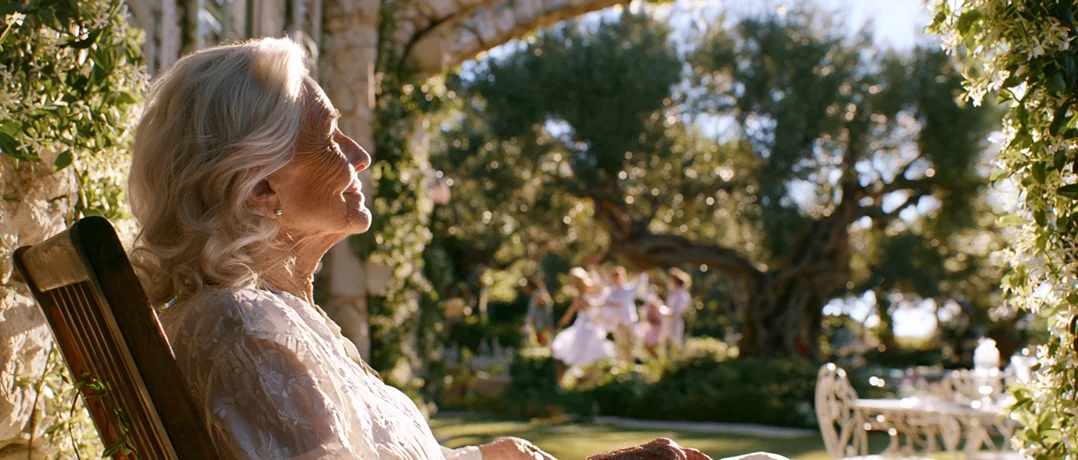
At 25, you might be worrying about finding a job. At 30, you might feel pressured to own a home, start a family or finally have your life figured out. And somewhere between deadlines, financial worries and scrolling through other people's milestones, you promise yourself that one day, when everything falls into place, you will finally slow down and enjoy life.
But what if that day never comes exactly as you imagined?
The question is not simply what kind of person you will become at 80. It is whether the life you are building today will leave you with memories you cherish, relationships you have nurtured and a sense that you were actually present for your own life.
The endless checklist of growing up
For many young adults, life feels like a never-ending to-do list. Graduate, find a job, build a career, become financially independent, maintain relationships and somehow find time to take care of yourself. Each achievement brings relief, but often only briefly before another goal takes its place.
Senior clinical psychologist Zeina Bou Dargham of Brainstation Clinics discussed this pattern in an interview with The Beiruter, explaining that people can become so focused on achieving their goals that they neglect other things that matter, including family, friends and their own well-being. "There is nothing wrong with having goals," she explained. The problem is that, while striving to build the life we want, we can forget to fully live the life we already have.
The danger is not ambition itself. It is allowing ambition to become the only measure of a life well lived.
Why do we keep postponing happiness?
How many times have you told yourself you will be happy once you graduate, get a better job, earn more money or reach a particular milestone? Bou Dargham described this as conditional happiness: linking happiness to achieving specific goals, as though life were a checklist that must be completed before we can enjoy it. "We are ticking goals in our lives rather than just feeling the emotion, being present," she said.
The irony is that there will always be another goal to chase. If happiness depends entirely on reaching the next milestone, the finish line keeps moving. Bou Dargham explained that people do experience happiness along the way, but they may fail to notice it because they are too focused on what comes next.
A morning coffee with your parents, a conversation with a friend, a walk without checking your phone: these moments might seem ordinary now, but they are also part of the life you are working so hard to build.
The fear of getting life wrong
Young adulthood often comes with a particular kind of anxiety: the fear of getting everything wrong. What if you choose the wrong career? What if you fail? What if your plans do not work out? What if everyone else gets ahead while you remain stuck?
In Lebanon, where economic uncertainty and instability can make planning for the future especially difficult, these worries can feel even more pressing. Bou Dargham acknowledged the challenges facing young people, who are trying to establish their careers, relationships and education amid difficult circumstances. Her advice is to distinguish between what we can control and what we cannot.
Preparing for a job interview, developing a skill or making a realistic plan can help us move forward. Repeatedly imagining every possible disaster, can leave us feeling trapped without changing the outcome. Instead of constantly asking, "What if?", she encouraged people to ask, "What can I control?" This does not mean ignoring genuine problems or pretending uncertainty does not exist. It means directing our energy towards what we can actually do, rather than allowing what we cannot predict to consume our lives.
What will matter when you're 80?
As people grow older, their priorities can change. Bou Dargham noted that research suggests people tend to place greater value on time with their families and loved ones as they age. Health and independence can also become increasingly important.
During her sessions she hears different perspectives on what people hoped for as they imagined growing older. Some valued independence; others wanted their families and friends around them and feared being alone. There is no single definition of a good life. But these reflections invite a question worth asking much earlier than our eighties:
Are we making room for the things we might one day wish we had valued more?
Bou Dargham said one regret she hears from older clients concerns the time they spent worrying and stressing while trying to achieve their goals, rather than investing in themselves and the relationships that mattered to them.
A life worth looking back on
So, how do you build a future you can look back on with fulfillment rather than regret?
Bou Dargham encourages young people to live according to their values and establish what she calles a "North Star": a guiding destination that helps them decide where they want to go. Individual goals may change or fail, but their underlying values can continue to guide them towards alternative paths.
You can pursue a career without making your job your entire identity. You can plan for financial security without postponing every source of joy. You can take your future seriously while making time for friendships, rest and experiences that make the present worthwhile.
Your 80-year-old self does not need you to have everything figured out today. Perhaps what matters more is that you keep moving towards what you value without forgetting to experience the life unfolding along the way. You cannot know exactly what your future will look like. But you can start building a life today that makes room for both the person you hope to become and the person you already are.
-
-
-
Yara SalibaJunior Writer/Translator
-
