



Lebanon’s unexpected export niches natural casings, snails, and copper scrap driving foreign-currency earnings through demand from the European Union.
When Lebanon exports the unexpected

Away from the spotlight typically reserved for wine, olive oil or confectionery, Lebanon exports a range of far less expected products from natural casings and snails to recyclable materials and highly specialized inputs for global agri-food and industrial supply chains. These discreet export flows, often overlooked in public debate, reveal pockets of resilience and sources of hard currency in an economy still under severe strain.
When Lebanese exports are discussed, attention usually turns to emblematic products of the country’s terroir. Yet a non-negligible share of export revenues now comes from atypical goods sometimes seen as improbable but increasingly sought after on European markets.
According to figures from Lebanon’s Ministry of Economy and Trade, so-called “non-conventional” agricultural and agri-food exports generate tens of millions of euros annually. Demand has remained stable and, in some segments, is rising particularly within the European Union, Lebanon’s largest trading partner.
Natural casings: a discreet but strategic niche
Little known to the general public, natural casings are a critical input for the global charcuterie industry. Used in artisanal sausages, merguez and premium cureded meats, they remain widely preferred to synthetic alternatives for their elasticity, durability and natural composition.
Lebanon exports these casings primarily to the European Union, where sanitary and traceability standards rank among the strictest worldwide. Industry sources estimate that Lebanese natural casing exports were worth over €20 million in 2024, positioning the country as a regular niche supplier alongside specialized exporters such as Turkey and parts of Eastern Europe.
“This is not a volume business; it is a precision business,” said Marwan, an exporter based in the Bekaa Valley.
“Each batch requires meticulous cleaning, sorting and compliance checks. European clients want natural, traceable products that meet exacting standards. Lebanon has the know-how, even if the scale remains limited.”
As global demand for artisanal and premium meat products grows, natural casings remain a low-profile but high-value export, generating foreign currency with relatively limited capital investment.
Snails: from Lebanese soil to European tables
Another unlikely export quietly leaving Lebanese ports is snails, shipped mainly to France, Italy and Spain, where they remain deeply embedded in traditional cuisine.
Harvested seasonally and processed using specific techniques, Lebanese snails benefit from non-industrialized environments and competitive labor costs. While export volumes remain modest, the value added is significant.
Trade estimates suggest that snail exports generate €10 million annually, depending on seasonal conditions and European demand small in absolute terms, but meaningful for rural producers.
“There is genuine demand in Europe, especially for snails sourced from natural, low-intensity farming areas,” said Joseph, a producer from northern Lebanon.
“For us, this is not mass production, but a stable supplementary income and, importantly, paid in foreign currency.”
Scrap and recyclables: exporting raw materials in a circular economy
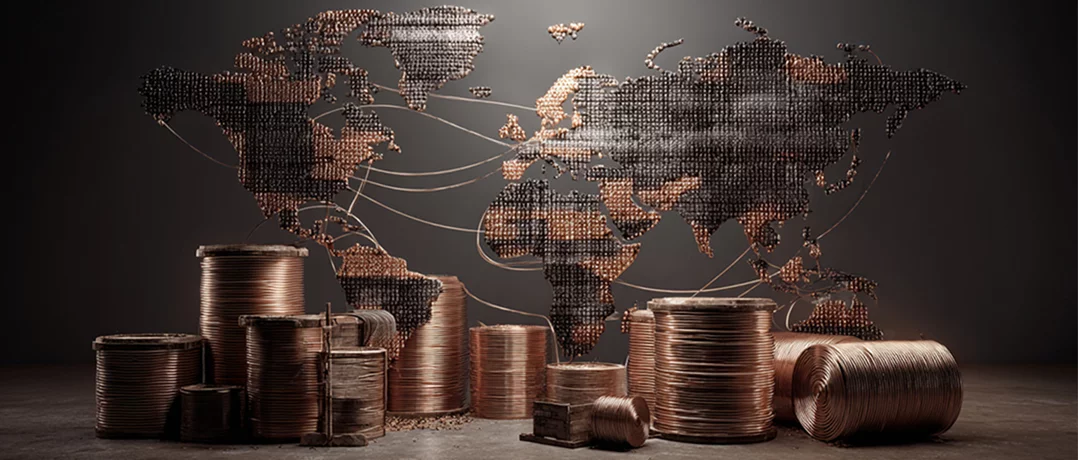
Beyond agriculture, Lebanon has also become an exporter of recyclable materials, particularly metal scrap. Copper waste and scrap, for instance, has emerged as one of the country’s most dynamic export lines to Europe.
According to recent trade data, Lebanese copper scrap exports to the European Union exceeded €50 million in a single year, reflecting Europe’s growing appetite for recycled raw materials amid tighter environmental regulations and supply-chain pressures.
This segment highlights Lebanon’s integration albeit often informally into the European circular economy, even as domestic waste management remains deeply problematic.
Why these products find buyers abroad
Several factors explain the resilience of these unconventional exports: targeted European demand for natural, artisanal or non-standardized products; competitive production costs despite logistical and energy constraints; local know-how often passed down across generations; adaptation to EU sanitary and technical standards even amid economic fragility; and low capital intensity, allowing small producers to remain active.
In a country grappling with a prolonged economic crisis, these niches allow small producers and processors not only to survive but, in some cases, to grow, while more traditional export sectors struggle with financing and scale. “These are discreet but essential sectors,” said a senior agricultural official. “They show that Lebanon can still export, provided the right markets are identified and producers receive minimal support.”
At a time when every euro earned from exports matters, casings, snails and recyclable scrap underline a simple truth: in an economy under pressure, originality can become a strategic advantage.
