A psychological look at nostalgia, emotional regression, and why Christmas feels heavier than other holidays.


A psychological look at nostalgia, emotional regression, and why Christmas feels heavier than other holidays.

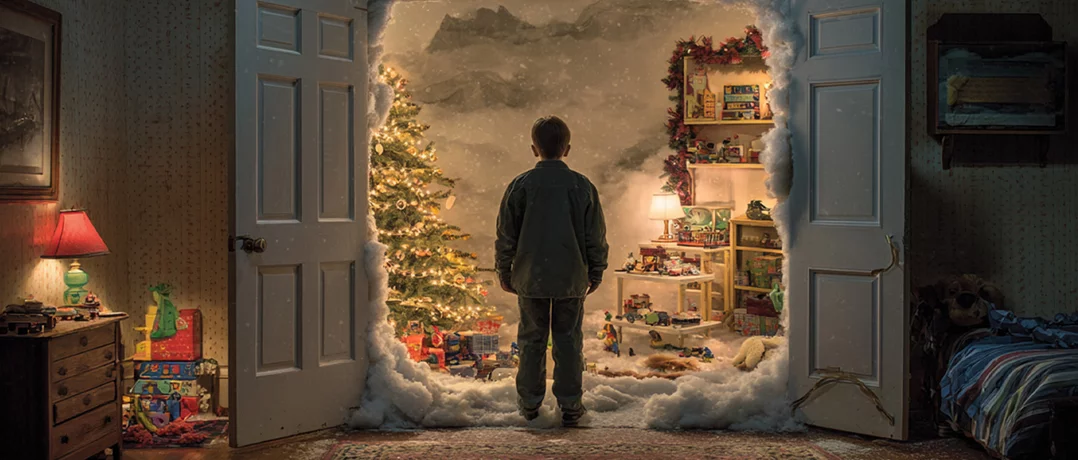
Every year, grown adults, independent, articulate, emotionally regulated for most of the year, find themselves reacting in ways they thought they had outgrown. We laugh more easily. We eat without thinking. We sit where we used to sit as children, surrounded by the same faces, the same rituals, the same unspoken understanding that this is where we belong. Even those who insist they “don’t care much for Christmas” often find themselves pulled into its rhythm. Without realizing it, we begin to return to earlier versions of ourselves, because this season invites us to remember who we were when joy felt simple and connection felt guaranteed.
Christmas is one of the most memory-loaded periods of the year. Unlike ordinary days, it arrives with repetition: the same houses, the same people, the same songs, the same smells. The brain does not experience this as a neutral present moment; it experiences it as a return.
Psychologically, memory is deeply tied to sensory cues. A specific dish, a hymn, or the way a house is arranged can activate emotional memory stored long before we had the language to describe it. At Christmas, these cues arrive all at once, overwhelming the adult mind with childhood imprints. We remember who we were and our nervous system remembers how it felt to be them.
Family systems are powerful because they are stable. Even when individuals change, the system tends to pull them back into familiar roles. Christmas, with its enforced togetherness, reactivates these dynamics. The responsible one feels responsible again. The overlooked child feels overlooked again. The one who learned to stay quiet does so instinctively. These reactions are learned adaptations, survival strategies formed early and stored deeply. Being physically present with family, especially in childhood spaces, signals the brain that those old rules may still apply.
Psychologists call this phenomenon emotional regression: a temporary return to earlier patterns. Regression at Christmas does not mean you have not grown. It means you are standing at the intersection of past and present. Growth teaches you how to notice the child you were without letting them take over.
Christmas nostalgia is a dichotomy of pure joy and sadness. It carries comfort and grief at the same time. We mourn versions of ourselves, people who are no longer here, homes that have changed, innocence we cannot return to, even as we are surrounded by warmth. This duality is the holiday’s emotional core. Nostalgia reminds us that we belong somewhere, even if that belonging has evolved. It connects us to continuity, to a story that did not begin with us as adults and will not end here either.
The challenge of Christmas is meet these emotions with awareness. To notice when a reaction feels older than the moment. To pause before responding. To remember that you are both the child who learned to adapt, and the adult who no longer needs to. And perhaps that is the beautiful gift of christmas: a chance to witness how far we have come, by briefly standing where we began.

