



Climate change is accelerating displacement in the Arab region, with women suffering disproportionate burdens and vulnerabilities.
Women on the move: Climate migration in the Arab region
Women on the move: Climate migration in the Arab region
By Angie Mrad | December 11, 2025

Reading time: 3 min
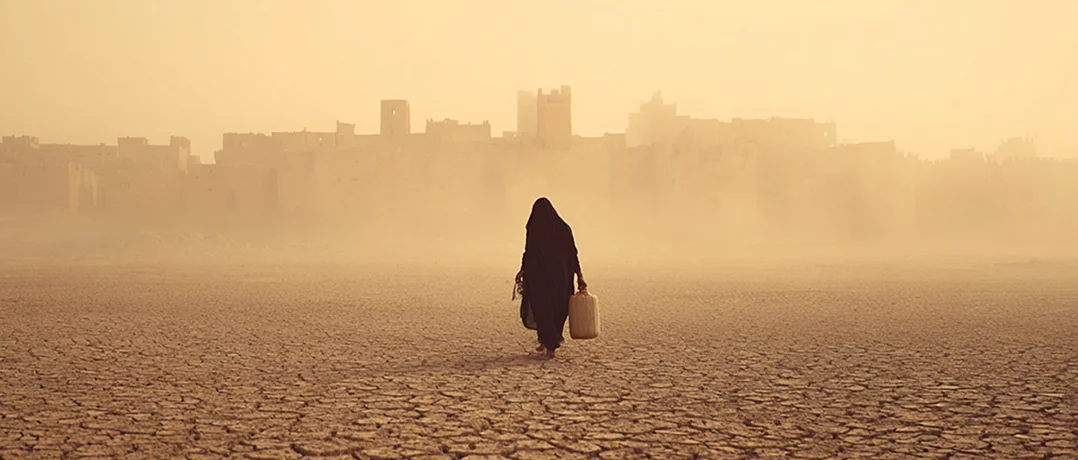
At a time when climate change is redrawing the global map of human mobility, experts warn that the Arab region is emerging as one of the world’s most fragile frontlines. From rising temperatures and water scarcity to collapsing agricultural systems, environmental pressures are pushing communities to the brink and women are paying the highest price.
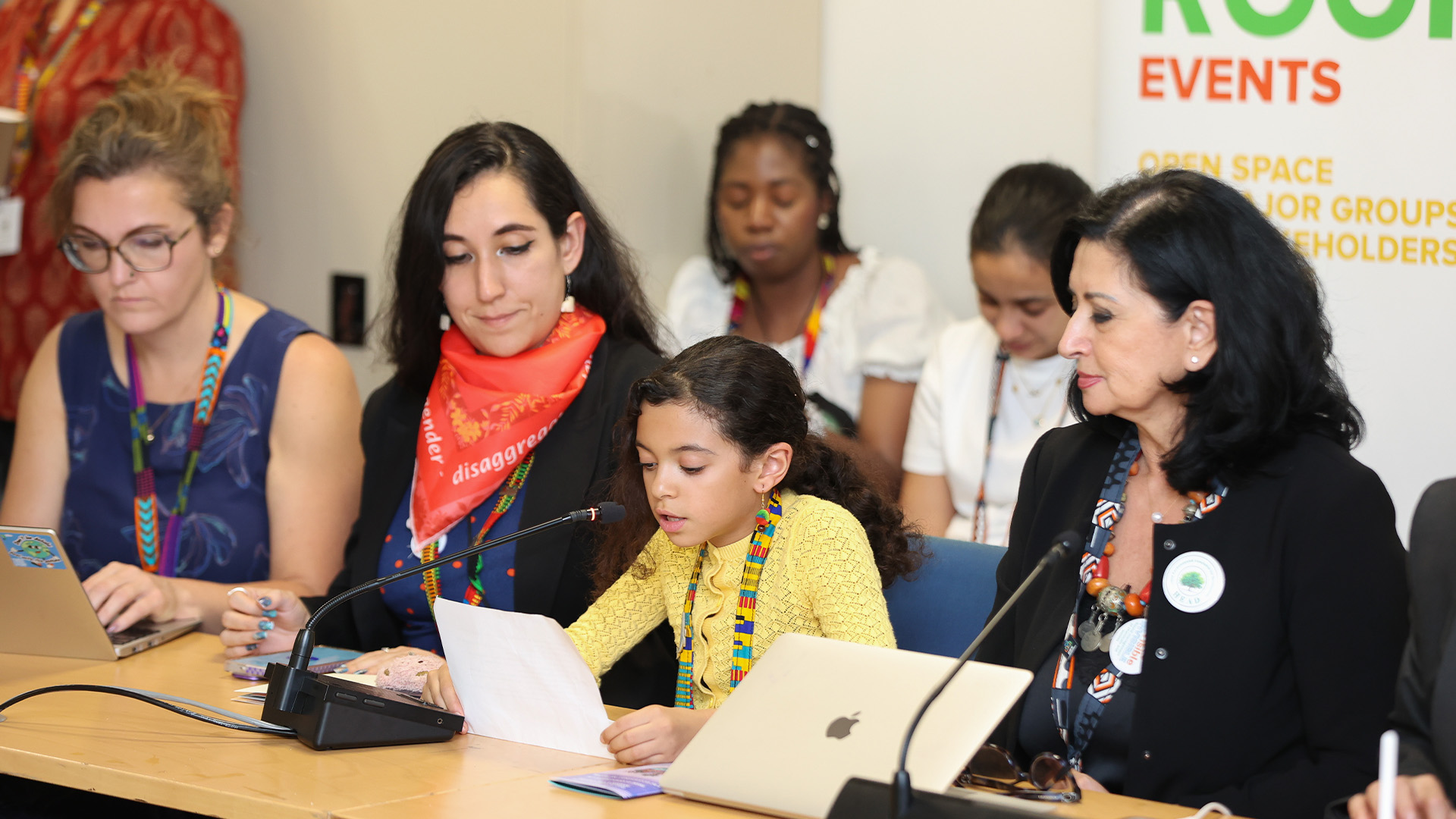
In a regional session on climate mobility researchers, activists and policymakers painted a stark picture of how environmental changes are driving displacement while exposing deep gender inequalities.
“West Asia and the Mediterranean basin are warming faster than the global average,” said Marie Therese Seif, Chairwoman of Human Environmental Association for Development-HEAD. “Water scarcity, declining agricultural productivity, pollution and coastal degradation are forcing families to move - but women do not experience migration the same way as men.”
Women carry the heaviest load
Across the Arab region, millions of women depend on agriculture for their livelihoods. As crops fail and fisheries collapse, they are among the first to lose income and food security. The effect of climate change place an even greater strain on women’s unpaid work: searching for water in drought-hit areas, caring for children and the elderly when disasters strike, and managing households amid worsening economic conditions.
Seif described how water scarcity alone reshapes daily life for women: “Women spend hours collecting water, facing physical exhaustion and exposure to violence.” Extreme heat and air pollution, she added, directly affect women’s health and pregnancy outcomes.
When environmental pressures combine with social constraints, women's ability to migrate safely shrinks. Limited access to technical training means many are unable to transition to new jobs after climate-related economic loss. Cultural norms often restrict how, when or whether they can move at all.
 Source: Human Environmental Association for Development - HEAD NGO
Conflict and climate: A doubled displacement
Several speakers highlighted how climate change in the Arab region intersects with conflict and political instability - deepening displacement and making return nearly impossible.
“In many Middle Eastern and African countries, women flee first because of conflict,” Seif said. “But the climate crisis stops them from going back.”
Weak institutions destroyed infrastructure and contaminated water supplies compound the challenges. Displacement becomes cyclical: first because of war, then drought, then economic collapse.
With men absent, killed or unable to migrate, women often become heads of households. They care for children, elders and entire communities - yet their leadership remains unrecognized in climate and migration policy.
A crisis without a name
One of the strongest messages emerging from the sessions was the urgent need for official recognition of “climate refugees”, a term widely used by communities but absent from international law.
According to Atlas data,75% of recent refugees self-identify as environmental refugees, even though states do not acknowledge them as such. Women migrant's cross multiple types of borders: political, social, gender, and increasingly environmental borders, which remain unacknowledged.
“Environmental collapse is not a future threat, it is already pushing women into migration” said Patrizia Heidegger, Deputy Secretary general of the European Environmental Bureau.
Global climate forums still falling short
Speakers expressed frustration that global forums including COP negotiations and UNEA - continue to marginalize gender considerations. Draft resolutions often lose key language on women’s rights, and implementation of existing frameworks remains weak.
Participants stressed that conversations alone are no longer enough. What is needed is investment in women’s leadership, gender-sensitive climate resilience strategies, and protection for people displaced by climate disasters — including the long overdue recognition of climate refugees under international law.
A lived reality, not a future threat
Climate change is already reshaping mobility, identity and daily survival for millions, and women stand at the centre of this transformation. From Arab agricultural workers losing their livelihoods, to Latin American women fleeing drought, to migrant mothers in the Balkans navigating polluted camps, the human cost of environmental disruption is already unfolding.
In a region where water is disappearing, jobs are collapsing and temperatures continue to rise, climate migration is no longer a distant threat. It is a lived reality. And unless policies evolve as quickly as the climate itself, the people least responsible for the crisis, particularly women, will continue to face its most devastating consequences.
