

From insomnia and self-doubt to social withdrawal and burnout, silent anxiety can affect nearly every aspect of daily life while remaining largely hidden from view.
“Silent anxiety” and the struggles you cannot see
“Silent anxiety” and the struggles you cannot see
By The Beiruter | June 17, 2026

Reading time: 4 min
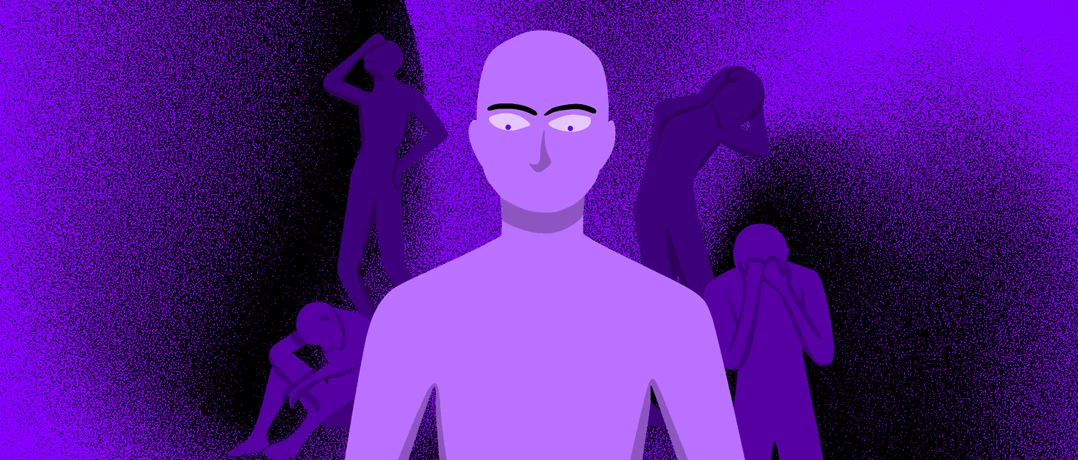
When events continue to unfold at a relentless pace, it is only natural for people to feel anxious about an uncertain future.Yet anxiety is not always visible. Sometimes it hides behind a smile, a prolonged silence, or an outward appearance of composure, while beneath the surface persistent worry quietly takes a toll on both mental and physical well-being.
“Silent anxiety” is a form of persistent, high-functioning anxiety that often escapes notice. Those who experience it may appear confident, successful, and calm, even as they privately grapple with excessive worry and emotional distress. It is characterized by persistent overthinking, low self-esteem, self-doubt, and a pervasive sense of fear, distinguishing it from the more familiar anxiety that emerges as a temporary response to a specific event or circumstance.
According to psychologist Nicolas Beshara Rizk, adolescents and adults who suffer from silent anxiety often develop coping mechanisms designed to conceal their distress. Perfectionism is among the most common. The result is a striking contradiction between an outwardly calm demeanor and the anxiety they experience internally, making the condition difficult to identify.
Rizk explains that some individuals possess a heightened sensitivity to how they are perceived by others. Preoccupied with the possibility of judgment, they feel compelled to project strength, even when that confidence is only superficial. In many cases, this serves as a psychological defense against powerful emotions or deeply impactful experiences, including trauma.
Others may struggle to express emotions altogether, including feelings of anxiety, due to psychological factors that often originate in childhood. The absence of secure emotional attachment, however, can make emotional expression more difficult later in life. Social norms that discourage vulnerability and reward emotional restraint can further reinforce the tendency to suppress anxiety rather than address it openly.
When anxiety becomes chronic
Rizk notes that traumatic experiences can significantly intensify silent anxiety, particularly among those already predisposed to it. War, instability, uncertainty about the future, and a growing sense of personal and collective insecurity—experiences familiar to many in Lebanon can all contribute to its development.
Economic hardship and social pressures often deepen the burden. In response, some individuals immerse themselves compulsively in work as a means of coping, pushing themselves beyond healthy limits. Over time, this can lead to exhaustion and burnout. When anxiety remains suppressed for prolonged periods, it risks becoming chronic and may eventually be accompanied by other mental health challenges, including depression.
The signs that often go unnoticed
Although silent anxiety is not currently recognized as a formal diagnostic category, Rizk argues that identifying its hidden warning signs is the first step toward seeking support.
Behavioral indicators may include avoiding anxiety-provoking situations such as social gatherings, becoming easily irritated, experiencing persistent feelings of unease or frustration, and reacting impatiently to relatively minor issues. Excessive perfectionism can also function as a psychological defense mechanism against anxiety and fear of failure.
These behaviors are often accompanied by physical symptoms, including insomnia, disrupted sleep, and chronic fatigue. Psychologically, silent anxiety frequently manifests as persistent worry that extends across multiple areas of life, even in the absence of a clear cause. Individuals may struggle with low self-worth, harsh self-criticism, difficulty recognizing their own strengths, and poor concentration as intrusive thoughts compete for their attention.
Silent anxiety can also take a toll on personal relationships. Because those experiencing silent anxiety often carry their distress alone, they may gradually withdraw from social interactions and become increasingly isolated. Others may misinterpret this withdrawal as indifference or emotional distance. At the same time, excessive rumination and self-doubt following social encounters can make it difficult to build and sustain meaningful relationships.
In professional settings, fatigue, difficulty concentrating, and indecisiveness can undermine productivity. Tasks that once felt routine may begin to seem overwhelming, and over time these challenges can strain relationships with colleagues and supervisors.
Seeking support
Rizk stresses that individuals struggling with silent anxiety need understanding and support. Listening attentively, showing empathy, and offering emotional support can make a meaningful difference.
He also recommends adopting healthy coping mechanisms, including mindfulness practices, meditation, regular physical activity, healthy sleep habits, and journaling. These strategies can help individuals better understand and manage their emotions, rather than allowing anxiety to accumulate beneath the surface.
Seeking professional psychological support is equally important, particularly when anxiety begins to interfere with daily life, work, relationships, or overall well-being. Early intervention can help prevent symptoms from worsening and provide individuals with the tools needed to regain a sense of balance and control.
Among children, silent anxiety may manifest through persistent fears, excessive attachment to parents or other sources of security, sleep disturbances, and noticeable behavioral changes. Left unaddressed, it can affect academic performance, social relationships, and even physical health, leading to complaints such as headaches and stomachaches. If it persists into adolescence, it may contribute to low self-confidence, excessive dependence on parents, and broader challenges in personality development.
Though silent anxiety may be difficult to recognize, supportive relationships, healthy coping strategies, and professional guidance can help individuals better manage its effects and improve their overall well-being.
-
-

-
The Beiruter
-
