



AI may be changing the way we translate, but it is not making translators irrelevant. From cultural interpretation to human judgment, discover how the profession is evolving and why the human touch still matters.
Translation: A profession in transition in the age of AI
Translation: A profession in transition in the age of AI
By Yara Saliba | September 28, 2026

Reading time: 5 min
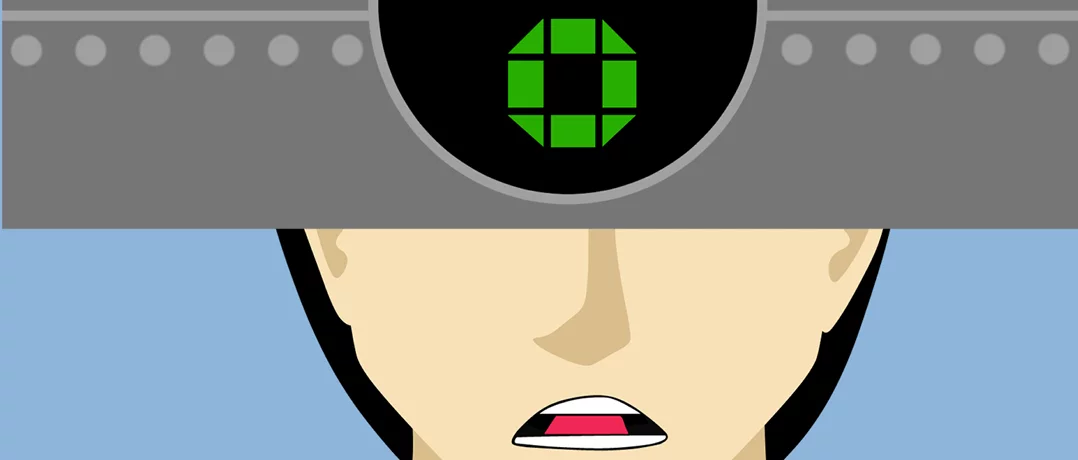
For years, the work of a translator was measured, in part, by the number of words they could translate in a day. Today, artificial intelligence is changing that equation, allowing machines to produce multilingual content in seconds and forcing professionals to reconsider what it means to translate.
The emergence of AI has fueled a growing concern that human translators may eventually become obsolete. While the technology is already reshaping the industry and putting pressure on certain jobs, the reality is more complex than a simple replacement of humans by machines.
For Dr. Mary Yazbek, director of the School of Translation and Interpretation at Saint Joseph University of Beirut, the profession is undergoing a profound transformation, one that is changing both the translator’s responsibilities and the skills required to succeed. “The translator is no longer expected only to transfer a text from one language into another,” Yazbek said during her interview with the Beiruter.
Instead, translators are increasingly expected to evaluate machine-generated content, ensure terminological consistency, adapt texts to specific audiences and assess cultural and ethical risks. Their role is shifting from producing translations alone to making linguistic decisions, guaranteeing quality and advising organizations on multilingual communication.
The meaning behind the word
AI has made translation faster and more accessible, particularly for standardized, repetitive and predictable content. But producing a fluent text does not necessarily mean producing an accurate one. A translation may be grammatically correct while overlooking a cultural reference, misinterpreting a concept or altering the intended meaning of a sentence.
“The most significant difference is not always immediately visible,” Yazbek explained, noting that AI can generate convincing text even when it has misunderstood a concept or introduced information that was not present in the original.
This is where human expertise becomes essential.
Translators must look beyond individual words and consider the context in which a text was written, its intended audience, the author's purpose and the consequences of particular linguistic choices.
A word that appears appropriate in one context may carry a different meaning in another. A phrase used in a diplomatic statement, for instance, may need to preserve a particular degree of ambiguity, while a legal document requires terminology that is precise and consistent.
“AI generates possibilities; the translator makes decisions,” Yazbek said.
For translators, language proficiency alone is no longer enough. Cultural knowledge, research skills and an understanding of the subject matter are equally important. The translator must be able to recognize not only what a sentence says, but also what it means within a particular cultural, social or institutional context.
When a single word can change everything
The consequences of an inaccurate translation vary depending on the nature of the document. In literary translation, the challenge lies in preserving the author's voice, style, imagery and cultural references. In legal, financial, medical and diplomatic translation, an imprecise term can alter the meaning of a document or create serious misunderstandings.
Confidentiality is another concern. Contracts, non-disclosure agreements and other sensitive documents may contain information that cannot be shared with external AI platforms without appropriate safeguards.
Yazbek explained that the impact of AI is not uniform across the industry. While some repetitive and low-risk content is increasingly being translated automatically, specialized fields continue to require a high level of accuracy, accountability and subject-matter knowledge.
The growing availability of automated translation does not eliminate the need for expertise. Instead, it raises questions about who verifies the output, who takes responsibility for errors and who ensures that the final text serves its intended purpose.
A new kind of translator
As AI takes over parts of the initial translation process. This shift is changing the pace and nature of the work. Clients may now expect larger volumes of translated material within shorter deadlines, while translators are required to identify inaccuracies, restore nuances and ensure consistency.
At the same time, their responsibilities are expanding beyond the final text. They may be involved in preparing terminology, selecting technological tools, managing linguistic data and designing workflows.
Yazbek described this as a move toward linguistic decision-making, quality assurance and consultancy.
The profession is also opening up to new roles, including localization specialists, language data experts, multilingual content strategists and language model evaluators.
Yet this transformation comes with challenges. As routine translation becomes increasingly automated, demand for professionals whose work consists solely of producing first drafts may decline. Translators must therefore develop new skills and demonstrate the value of their expertise beyond the number of words they produce.
Rethinking the way translators are trained
As the industry evolves, translation schools face the challenge of preparing students for a profession that increasingly combines linguistic expertise with technological competence.
Yazbek believes that strong language skills, cultural knowledge, research methodology and specialized translation remain indispensable. What must change is how these foundations are combined with technological training. Students need to learn how to evaluate AI-generated translations, identify errors, manage terminology and understand the ethical implications of automated systems.
At Saint Joseph University of Beirut, this evolution is reflected in the introduction of a University Diploma in Language Engineering Applied to Language Professions, which aims to equip professionals with the knowledge needed to understand and evaluate the technological systems transforming their work.
For future translators, the challenge will be to combine linguistic precision with technological literacy, specialization and the ability to justify their professional decisions.
The translator’s place in an automated world
The question facing the translation industry is no longer simply whether AI will replace human translators. It is how the profession will evolve as technology becomes more deeply integrated into multilingual communication. Some tasks will become increasingly automated, while others will continue to require human judgment, creativity, cultural sensitivity and accountability.
For Yazbek, the future of translation lies in professionals who can guide technology rather than rely on it uncritically.
“The future of the profession should not be framed as a competition between humans and machines,” she said.
AI may accelerate the production of a translation, but the translator remains responsible for determining whether the final text is accurate, culturally appropriate and suited to its intended purpose..
-
-
-
Yara SalibaJunior Writer/Translator
-
