



Fashion rental, giving dresses a second life
Fashion rental, giving dresses a second life

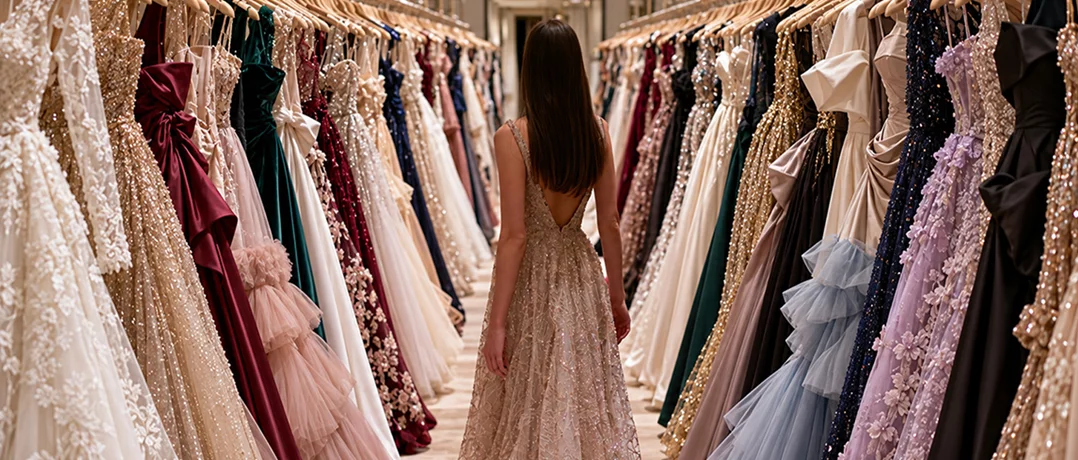
Fashion is being redefined by a growing emphasis on sustainability, accessibility and more conscious consumption. Rather than buying an outfit for a single occasion, some women are turning to dress rental as a way to enjoy designer fashion without the cost and long-term commitment of ownership. Where weddings, engagements and graduations often call for different looks, Lebanese women are breaking the cycle by renting instead of buying, and by lending out the pieces they no longer wear.
A wardrobe becomes a community
For Jenny Abi Haila, the business began in her own bedroom, during a difficult period of motherhood. “I wanted to find something that would give me a sense of purpose outside my daily routine,” she told The Beiruter. There was no business plan. “I started with what I already had at home,” she explained. “At first, I was renting out perhaps two dresses a month.” The turning point came when customers began returning. “A woman would rent a dress, have a good experience, and then contact me again for another occasion.”
Soon, other women wanted to add their own dresses. “I realized that I was building a small community of women who could share their wardrobes and benefit from one another.” Most customers find her through Instagram, then visit her home to try on pieces. “They do not have to rent a dress without seeing how it fits,” she noted. At the busiest times, she handles “around 50 to 100 dress rentals a month.”
She sees a bigger idea behind the numbers. “A piece can have a life beyond the person who originally bought it,” she added. Personally, the project gave her something lasting, “It has given me something of my own, combining my passion for fashion with a way to earn an income.”
From a friend’s problem to a shop
Mira Kubbeh’s story also starts with a dress that could not be found. A friend, Gaelle Kattan, had an event coming up and could not find anything she liked. “She was the one who came up with the idea,” Kubbeh told The Beiruter. “We started with our own dresses, as well as those belonging to our families and friends.”
The pair began at home. “We started at home and gradually grew. We opened a shop in Aoukar.” That was in 2023, and the growth since has been steady. “Every year, it has definitely doubled,” she reported. “People are increasingly embracing the idea of renting nowadays.”
She believes she knows why. “People tell you that they do not have enough space, that they will wear the dress again, and that there is no need to spend so much money on a single outfit,” she explained. The appeal is variety, “for every event, they can change their style.”
The shop now holds “around 500 dresses”, and its customers have changed. “When we first started, it was mostly younger generations. Now, everyone is interested, from older women to mothers of brides, bridesmaids and wedding guests.”
Owners are joining in too. “People who buy dresses also want to benefit from them, so everyone can get something out of it.” Next, the pair are thinking about their own label. “Perhaps we will create our own brand,” Kubbeh revealed, adding that it would involve “selling and renting.” Working alongside a friend has suited her. “My experience has been perfect,” she noted. Her advice is simple, “renting lets you reinvent your look for every occasion without spending a fortune on dresses that end up collecting dust in your wardrobe.”
The stylist’s view
Fashion expert Georges Chamoun sees rental as part of a wider change in attitudes. Speaking to The Beiruter, “sustainable fashion is very important nowadays, especially because people no longer want to buy clothes only to throw them away,” he observed.
He framed renting as a smarter use of money. “Renting has therefore become a kind of investment,” he argued. A dress bought for an occasion is usually worn “only once, or at most twice.” Renting it out means “she can benefit from it again, while someone else benefits by renting it instead of buying a new one.”
He acknowledges that some people dislike wearing clothes someone else has worn. But he believes the economy is changing minds. “With the fast-paced lives we lead and the economic crises we are experiencing everywhere, people are becoming more accepting of vintage fashion.”
The trend reaches beyond dresses. “In certain places, if you have an event, you can even rent a handbag or a pair of shoes,” he pointed out. “It is no longer just about buying second-hand clothing.” The environmental benefit matters to him too. Renting “helps protect the environment by reducing the amount of clothing that needs to be manufactured, even though fast fashion still exists.”
What links these voices is a simple shift in thinking, a beautiful dress does not have to belong to one woman to be worn well. For customers, renting means lower costs and a new look for every occasion. For owners, it turns a forgotten garment into income. For the planet, it means fewer new clothes made for a single night. Rental may not replace buying, but it simply gives women another way to enjoy fashion.
-
-

-
The Beiruter
-
