



Across Lebanon's agricultural communities, women are sustaining family businesses, preserving traditional food production and pursuing new markets, even as economic hardship threatens their livelihoods.
Lebanon's rural women are working. Can they make a living?
Lebanon's rural women are working. Can they make a living?
By Katharine Sorensen | October 15, 2026

Reading time: 8 min
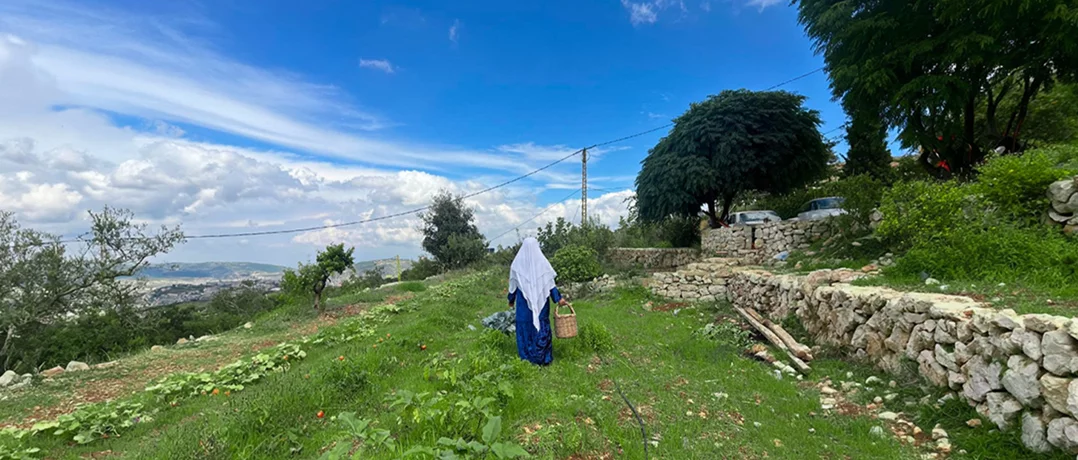
The drive to the northern village of Kfarbanin, in Lebanon's Minieh-Danniyeh district, gives the impression that one has disappeared, perhaps indefinitely, into the Lebanese mountains. The road is windy–and in various stages of being paved–and as the journey continues inland, the northern city of Tripoli gradually recedes from view. It is here, far from the bustle of the coast and amid the surrounding greenery, that Zoubeida, a former mathematics teacher and mother of five, has spent the past several years developing Beit Al-Sultan, a guesthouse for visitors drawn to the region's mountainous landscape. Although distinct in its focus on rural tourism, Zoubeida's venture is part of a changing rural economy in which women are seeking greater control over work they have long performed, often without formal recognition or reliable compensation. According to the Food and Agriculture Organization, women account for up to 43% of Lebanon's agricultural workforce, contributing to harvesting, livestock production and food processing. “What has changed in recent years is not simply that more rural women are working; women were already working,” Alexander Salha, Director of Programs and Partnerships at Fair Trade Lebanon (FTL), a Lebanese nonprofit that helps small agricultural producers and cooperatives develop their businesses and reach domestic and international markets, told The Beiruter. Yet turning that work into a reliable source of income remains difficult in communities where infrastructure is unreliable, production costs are rising and access to markets is limited. Women's growing financial responsibilities have not brought comparable access to employment, property or economic resources. The World Bank's gender database puts women's labor force participation in Lebanon at 22.2% in 2023, compared with 66.7% for men. Although these figures do not fully capture informal agricultural and household work, they reveal a considerable gender gap in economic opportunities. The disparity is particularly pronounced in rural areas, according to the René Moawad Foundation (RMF), a Lebanese nonprofit working on economic development, livelihoods and community support across the country. “Women's economic participation in Lebanon is among the lowest in the region,” representatives from RMF told The Beiruter. In rural communities, the same women who harvest crops, prepare food for sale or help operate family businesses are often also responsible for running their households. Approximately twenty minutes from Zoubeida's guesthouse, Suzanne and her husband run Maajinat Al-Zaarou, a bakery in Danniyeh whose fortunes depend heavily on the summer tourism season. The bakery employs 17 people, but earnings can fall to almost nothing during the winter tourism lull. Rising ingredient and electricity costs have added to the pressure, with unreliable power previously forcing the bakery to switch off its refrigerators overnight. A solar system installed through RMF now allows continuous refrigeration and larger inventories while reducing operating costs. Suzanne said the improvements have helped maintain prices and increase sales. Yet the pressure to keep the bakery operating is also part of a larger change in household finances. “The situation is different now. Before, a man's income could support the family, but today, both have to work to provide for their children,” Suzanne told The Beiruter during a visit with RMF representatives . Greater participation in paid work has therefore come with an uneven distribution of responsibilities, as women assume a larger role in supporting their families while continuing to shoulder much of the work at home. Even when women establish successful businesses, the conditions required to sustain them are often unreliable. For Zoubeida, expanding Beit Al-Sultan brought new demands that the village's limited infrastructure could not easily accommodate. “The main problem for my business was electricity,” Zoubeida told The Beiruter. Without sufficient power, she sometimes had to cancel reservations because she could not guarantee guests basic services, including lighting and hot water. Support from RMF helped improve the guesthouse's solar electricity capacity, allowing her to accommodate visitors more reliably. For small businesses operating on narrow margins, unreliable electricity can mean lost customers, higher costs, and reduced profits. Despite the difficulties of establishing and expanding the guesthouse, Zoubeida encourages other women to pursue their ambitions. “If you set a goal, work toward it and stay focused, you can achieve success,” Zoubeida said. Lebanon's rural economy depends on both agricultural production and the businesses that process and sell its produce. In the Bekaa Valley, agricultural production remains central to much of the local economy. During a visit to the Al-Mhaydthe agricultural cooperative in the Bekaa with FTL, The Beiruter found women processing locally grown ingredients for markets beyond their immediate community. Entering the food-processing area, three women sit peeling figs for jam, while in an adjacent room, eggplants are blended into a mixture that will eventually be canned and sold as moutabbal or baba ghanoush. The work is familiar to households across Lebanon, where preparing mouneh, the traditional practice of preserving seasonal produce, has long been part of domestic life. Established in 1998, the cooperative brings together approximately 25 members, predominantly women from the surrounding Druze community. It has worked with FTL since 2006. Tony Marouny, a senior project coordinator at FTL, explained that the organization works with three main types of cooperatives in the Bekaa, those focused on agricultural production, food processing and beekeeping. Their activities can complement one another. Agricultural cooperatives supply cucumbers, grapes and other produce that food-processing cooperatives transform into pickles, jams, molasses and traditional preserves, creating additional commercial opportunities for local farmers. Some of Al-Mhaydthe 's products have reached international markets, such as France, including its award-winning taratour sauce. Yet access to export buyers is only part of the equation. “Lebanon has extraordinary traditional food knowledge, much of it preserved and transmitted by rural women,” Salha said. The difficulty is therefore not necessarily producing goods of sufficient quality. It is securing the distribution networks, commercial relationships and consistent demand that allow small producers to compete. “Our work needs to become better known,” Nisrine, a woman from the village who has been a member of the cooperative for the last three years, told The Beiruter. The importance of maintaining commercial relationships becomes particularly apparent during periods of conflict, when transport disruptions, rising costs, and falling demand can threaten agricultural livelihoods across entire communities. Although the fighting in 2024 was more intense in the surrounding region, the most recent conflict brought its own economic disruptions. Farmers in the Bekaa struggled to sell their harvests as routes to southern Lebanon became increasingly difficult to navigate, cutting them off from buyers who ordinarily purchased their produce. The road passing through Al-Mhaydthe had been considered one of the safer routes toward southeastern districts such as Marjeyoun. Yet as fighting intensified, even this route could no longer guarantee access to communities farther south. According to Marouny, FTL responded by purchasing additional produce from farmers who could no longer reach their usual buyers and supplying it to cooperatives for food preparation. “The war affected everything. It affected work, livelihoods, prices, everything,” Nabouh, a cooperative member and student at the Lebanese University, told The Beiruter. At Al-Mhaydthe, members helped transform those ingredients into ready-to-eat meals for communities affected by the fighting. Marouny said the wider initiative distributed 60,657 meals, with preparation sometimes beginning as early as 4 a.m. to ensure the food could be delivered fresh. But emergency food production cannot replace the commercial activity on which cooperatives ordinarily depend. Once humanitarian demand subsides, farmers still need buyers for their harvests, and processors need customers willing to purchase their products at prices sufficient to cover production costs. For Lebanon's rural women, the challenge is no longer simply gaining recognition for work they have performed for generations. It is ensuring that their contributions translate into dependable incomes, greater economic independence and businesses capable of surviving beyond the next crisis.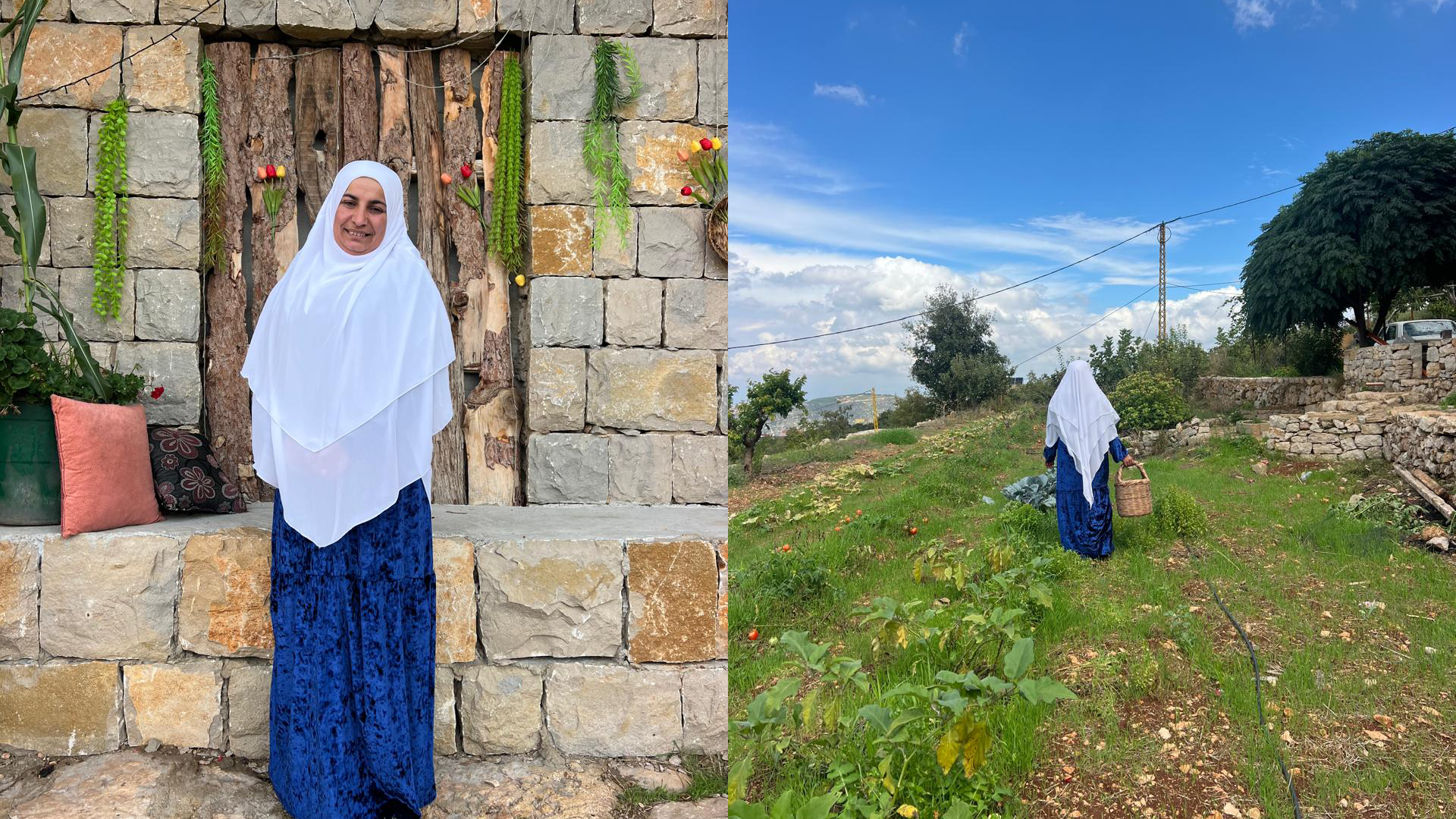 Zoubeida at Beit Al-Sultan and in her garden in Kfarbanin. Source: The Beiruter.
The shift we increasingly see is from informal or less visible contributions toward greater economic agency, entrepreneurship and leadership.
The changing economics of rural households
Rural women are central to agriculture, but they are less visible in the data, less likely to own land, and mostly work at small scale or informally.
 View of the mountains from Maajinat Al-Zaarou in Danniyeh, northern Lebanon. Source: The Beiruter.
Women need strength. They work hard inside the home and outside it, because that is what it takes to keep going.
The cost of keeping businesses running
Because we're in a remote area, there is no state electricity, so we rely on a generator subscription.
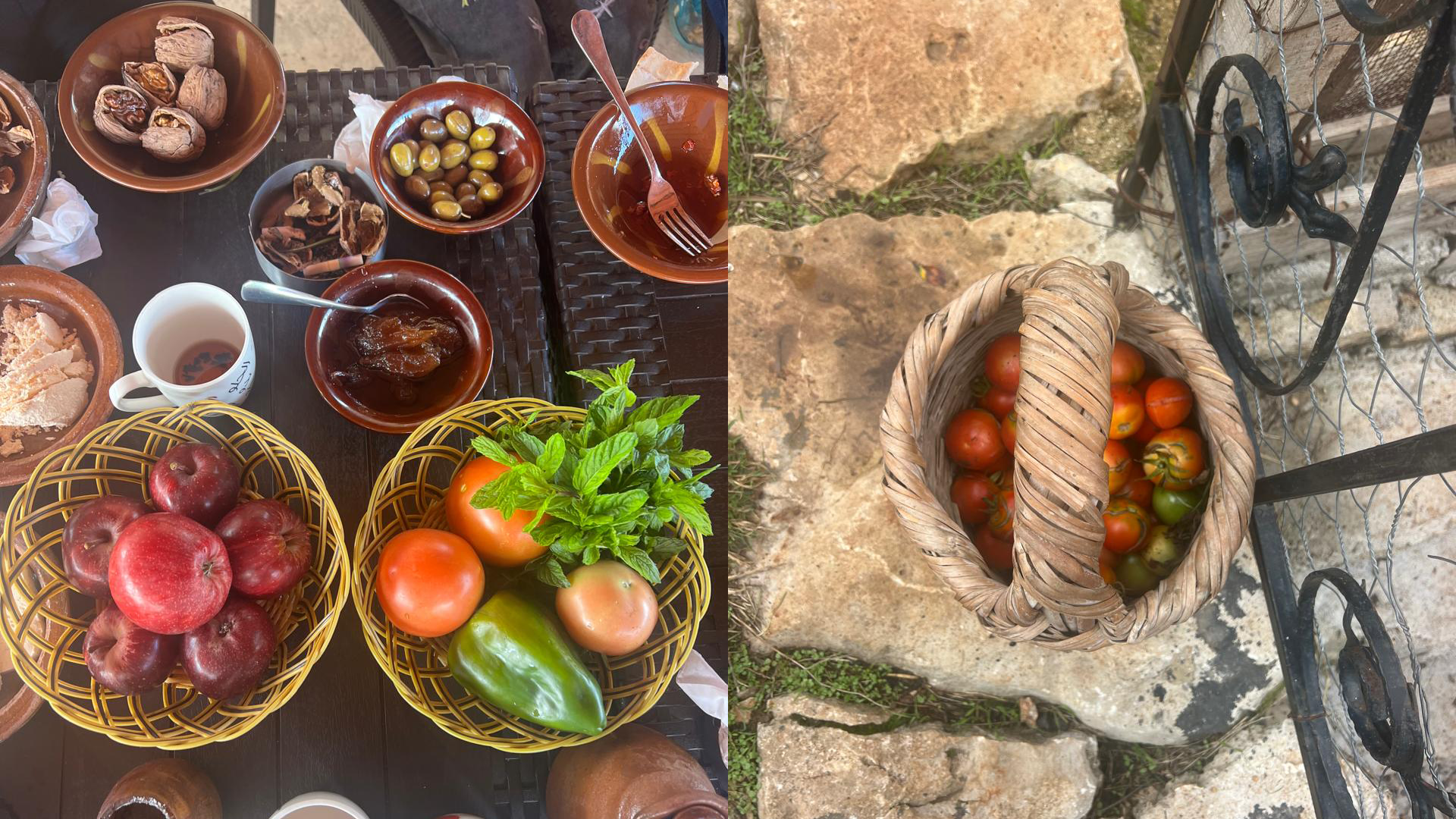 Freshly harvested produce and a traditional Lebanese breakfast at Beit Al-Sultan in Kfarbanin. Source: The Beiruter.
Life doesn’t place limits on what you can do, especially as a woman. Neither religion, nor education, nor your environment should limit you.
Turning traditional production into viable businesses
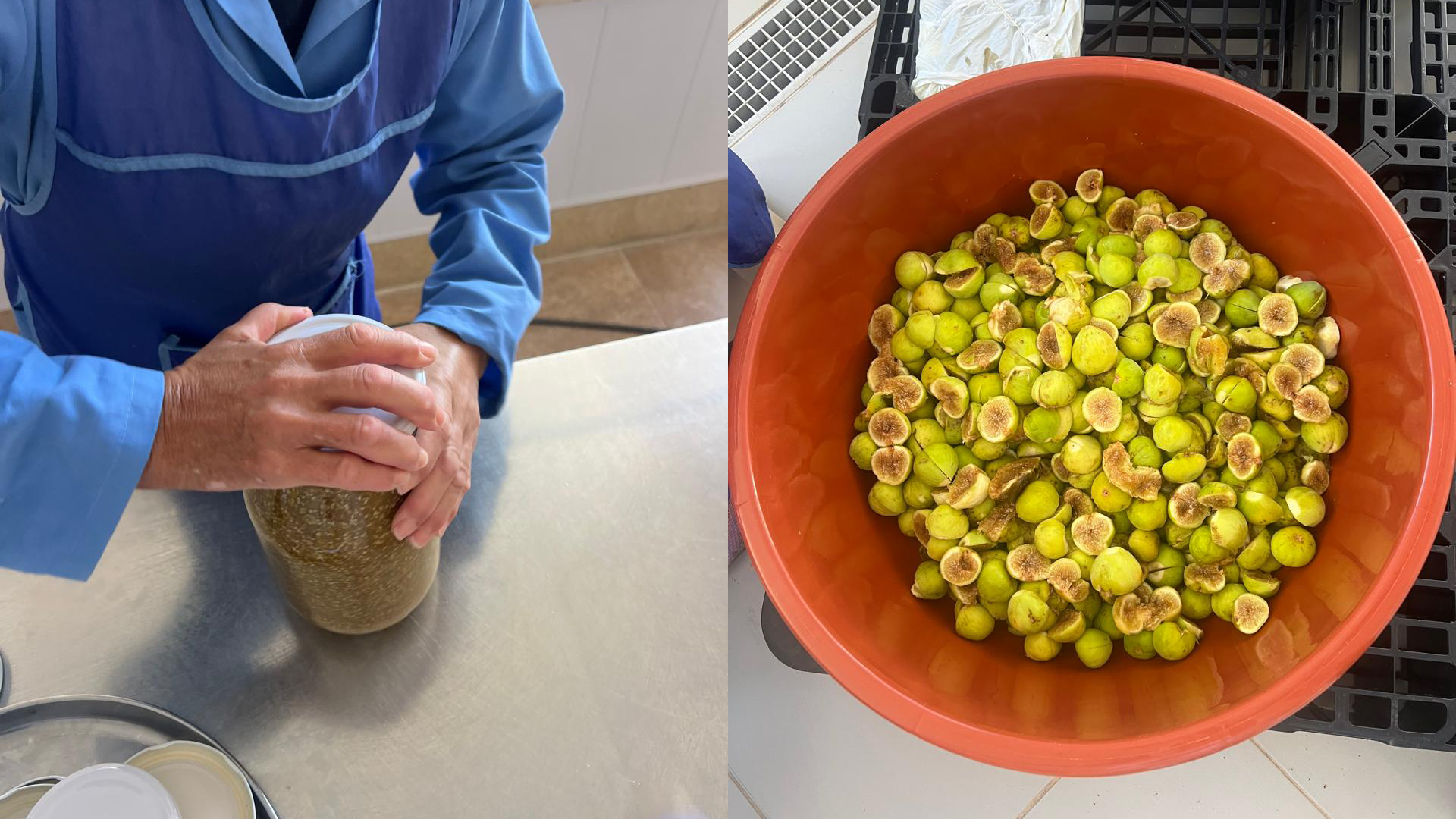 Fig preparation and food preservation at the Al-Mhaydthe agricultural cooperative in the Bekaa Valley. Source: The Beiruter.
But markets do not buy tradition alone.
People outside should know that we make organic, natural, high quality products. We are proud of what we produce here.
Building livelihoods that last
-
-

-
Katharine SorensenReporterSpecializing in global affairs, technology and economics, with a focus on on-the-ground investigative reporting.
-
