



Brazilian exports to Lebanon are gaining momentum, but the widening trade imbalance highlights an opportunity to diversify bilateral commerce and create new business opportunities for both countries.
Brazil and Lebanon: A trade relationship ready for its next chapter
Brazil and Lebanon: A trade relationship ready for its next chapter
By Mirella El Howayek | October 22, 2026

Reading time: 6 min
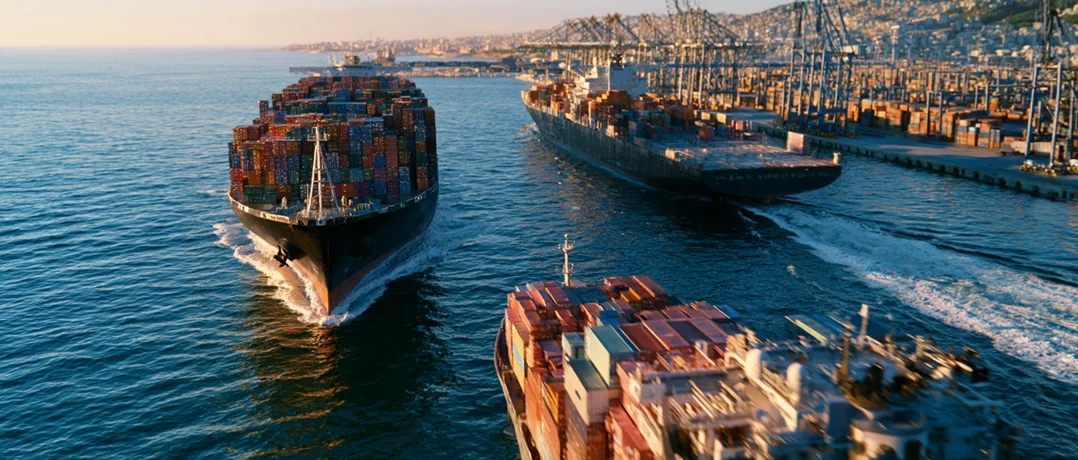
Trade between Brazil and Lebanon is showing renewed momentum, with Brazilian exports to the Lebanese market increasing significantly during the first half of 2026. Yet behind the positive figures lies a broader question: how can the two countries transform established trade flows into a more balanced and diversified commercial partnership?
Between January and June 2026, Brazilian exports to Lebanon reached US$266.1 million, an increase of 18.2% compared with the same period in 2025. Brazilian imports from Lebanon, by contrast, totaled approximately US$1.1 million, down 7.2%.
The disparity highlights the extent to which bilateral commerce depends on Brazilian exports. It also points to an opportunity for Lebanese businesses to explore Brazil more actively, identify competitive product categories and strengthen their access to one of the largest consumer and industrial markets in the Americas.
For both countries, the challenge is not simply to increase trade volumes, but to broaden the range of products exchanged and establish new commercial connections.
Brazilian exports gather pace
Brazil’s export performance reflects sustained Lebanese demand for products in which Brazil has considerable production capacity and international competitiveness, particularly meat and other agricultural commodities.
Beef led Brazilian exports to Lebanon in the first six months of 2026, generating US$57.6 million, an increase of 18.9% year on year. Live cattle accounted for another US$51.5 million, although exports in this category edged down by 1.2%. Coffee and sugar also featured among the main products supplied to the Lebanese market.
The momentum accelerated in June, when Brazilian exports to Lebanon reached US$42.4 million, representing a year-on-year increase of 119.7%.
Earlier figures had already indicated an upward trend. Between January and April 2026, Brazilian exports totaled US$170.8 million, up 8.1% from the corresponding period a year earlier. The subsequent first-half results suggest that the expansion continued as the year progressed.
These figures underline Brazil’s importance as a supplier of food and agricultural products to Lebanon. For Brazilian exporters, the Lebanese market offers an established destination; for Lebanese importers, Brazil provides access to a major source of agricultural commodities and food products.
Maintaining these supply chains remains important, but the next phase of the relationship could involve a wider range of businesses and sectors.
The trade imbalance and the opportunity it presents
The contrast between the countries’ export figures is considerable. While Brazil sold US$266.1 million worth of goods to Lebanon in the first half of 2026, Lebanese exports to Brazil amounted to approximately US$1.1 million.
The imbalance was already apparent earlier in the year. Between January and April, Brazilian exports to Lebanon reached US$170.8 million, while imports from Lebanon stood at US$842,000. Total bilateral trade amounted to approximately US$171.6 million, with Brazil recording a trade surplus of around US$169.9 million.
Although these figures cover different reporting periods, they reveal a consistent pattern: commercial exchange remains heavily weighted towards Brazilian products entering Lebanon.
For Lebanese companies, Brazil’s large domestic market offers potential, but accessing it requires preparation. Exporters must understand consumer preferences, pricing expectations, regulatory requirements and logistics costs. They must also assess whether their products can compete with established local manufacturers and international suppliers.
For some businesses, the most realistic entry point may be a specialized product category or a carefully selected distribution partner rather than an immediate large-scale expansion. Others could work with Brazilian importers to test demand before committing substantial resources.
The opportunity, therefore, lies not simply in increasing Lebanese exports, but in identifying products and business models capable of succeeding commercially in Brazil.
Beyond commodities: diversifying bilateral trade
Agricultural products are likely to remain central to Brazil’s exports to Lebanon. Nevertheless, a stronger commercial relationship would benefit from a broader range of activities.
The existing trade figures offer a glimpse of that potential. During the first four months of 2026, Brazil imported products from Lebanon including machinery used in food manufacturing, aluminum waste and preserved fruit. Although their combined value remained modest, these categories demonstrate that bilateral commerce extends beyond agricultural commodities.
Lebanese companies could explore opportunities in specialized foods, industrial products and other segments where they possess relevant expertise and a competitive advantage. Success, however, will depend on their ability to meet Brazilian market requirements and offer buyers an attractive combination of quality, pricing and reliability.
Market research is essential. Companies need to identify suitable customers, calculate the full cost of entering the market and evaluate potential distribution partners. Certification, labelling, customs procedures and shipping costs must all be considered before an export strategy is developed.
Brazilian companies could also explore additional opportunities in Lebanon beyond established food and agricultural imports. Targeted business-to-business engagement could help identify sectors in which the needs of buyers and the capabilities of suppliers align.
Business missions, trade fairs, industry exhibitions, business delegations, commercial matchmaking and cooperation between chambers of commerce can help businesses identify potential partners and better understand market requirements. Such channels could provide a practical starting point for evaluating demand and establishing distribution relationships.
The role of the Arab Brazilian Chamber of Commerce is particularly relevant in this context, given its work in tracking bilateral trade and connecting businesses across the two markets.
Building stronger commercial connections
Brazil and Lebanon share longstanding human and commercial links that can support closer business relations. The Lebanese diaspora in Brazil provides a potential network for introductions, market knowledge and cross-border partnerships.
However, cultural familiarity alone cannot guarantee commercial success. Businesses still need to demonstrate product quality, competitive pricing and dependable delivery. Access to reliable market information and suitable local partners remains essential, particularly for smaller companies exploring an unfamiliar market.
Public and private-sector organizations can help bridge this gap by facilitating business introductions, providing updated market intelligence and identifying sectors with realistic growth potential.
For Lebanese businesses, Brazil can be approached not only as an export destination but also as a market for strategic partnerships and commercial expansion. Brazilian companies, meanwhile, can build on existing demand in Lebanon while exploring opportunities connected to the wider Middle Eastern market.
Turning growth into a broader partnership
Brazil and Lebanon also share longstanding historical and cultural connections, but commercial ties have yet to reflect the full range of possibilities between their economies.
Brazil's growing exports demonstrate that the Lebanese market remains important for Brazilian suppliers. The comparatively limited value of Lebanese exports to Brazil, however, points to a significant imbalance—and a potential opening for businesses prepared to invest in market research, partnerships and long-term commercial development.
The next phase of the relationship will depend on whether companies and institutions can translate these trade flows into broader opportunities.
For Lebanon, that means looking beyond its traditional export destinations and examining where its products can compete in larger international markets. For Brazil, it means maintaining a strong supply relationship while creating room for a wider exchange of goods and business opportunities.
A more diversified partnership will require targeted market research, stronger connections between companies and a realistic assessment of commercial potential. Yet the foundations already exist: established trade flows, longstanding ties between the two countries and room to develop new business relationships. The challenge now is to build on it!
The next chapter of Brazil–Lebanon trade may depend not only on how much the two countries exchange, but on how many new products, businesses and partnerships can become part of that relationship.
