



In this article, Lynn Abou Ghannam, first-place winner of The Beiruter × 42 Beirut Tech Writing Training Program & Competition, explores the psychological, ethical and commercial implications of AI-powered grief techno
How AI is creating a digital afterlife

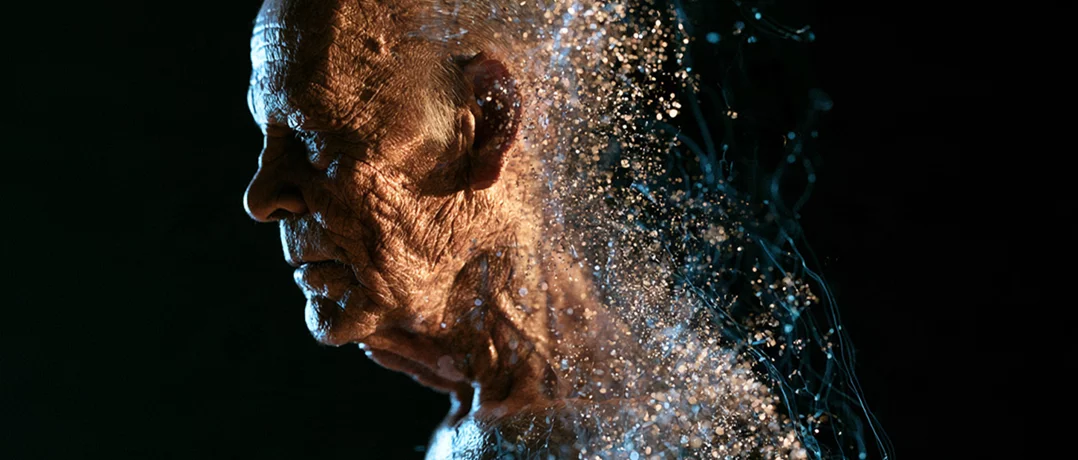
AI is altering the meaning of death and the way we process it. In 2024, Michael Bommer, a terminally ill German entrepreneur, worked with Eternos, now Uare.ai, to create an interactive version of himself before his death. He supplied the system with recordings of hundreds of phrases and answers regarding his life, personality, and experiences. The system used this data with AI models to generate answers instead of replaying prerecorded ones. Bommer was very enthusiastic about the technology because he liked the fact that his family would have access to his AI version whenever they wanted or needed it. Bommer’s case exemplifies an important shift in the concept of digital afterlife: it no longer necessarily begins after death. Today, companies like AfterlifeAI are developing AI personas that people construct while alive.
This evolution is part of the emerging field called GriefTech, which uses digital technologies to help people cope with and process grief. One category of these technologies involves producing AI-based representations of the deceased, sometimes referred to as deathbots or postmortem AI.
These technologies raise ethical and psychological questions, like whom are they serving: the deceased or the bereaved? The product can be perceived differently by the person crafting it and the ones using it. More fundamentally, how is this technology changing the way humans comprehend and process death?
This article examines how AI is converting digital remains from static records to interactive representations of the dead, how this transformation may change the way we grieve and remember, and how these technologies introduce new questions around control and commercialization.
 The
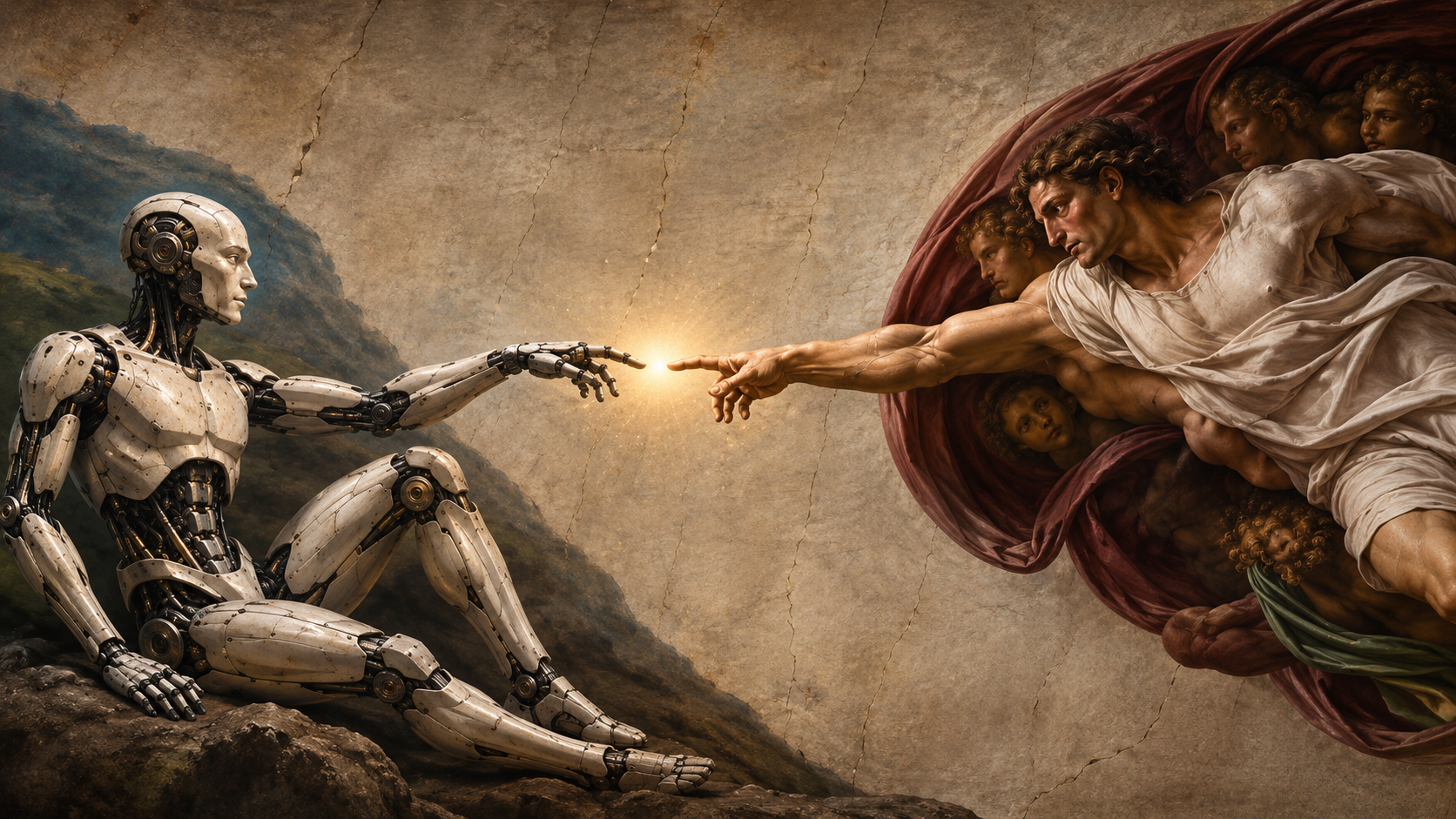
creation of the digital self
Digital remains refer to the collection of digital information, online accounts, personal data, and electronic assets that a person leaves behind after they die.
The concept of digital afterlife started with digital memorialization, which preserves the past. It is archival. The bereaved have access to the deceased’s digital remains. The latter are static; people can see them, listen to them, yet the conversation stays one-way. For example, Almaya has a system where the person creates a structured collection of their life (like stories, experiences, and memories). Their system organizes them into an interactive digital autobiography and delivers real, pre-recorded data. The AI will not invent a response. Instead, it will search the archived vault and reply accordingly.
Then, with the emergence of generative deathbots, digital afterlife began shifting from static memorialization toward dynamic interaction. The AI version generates answers. It can clone the deceased’s voice, create an avatar of them, or even imitate aspects of them. Séance AI, for example, uses generative AI to simulate conversations with deceased people based on information given about them. Moreover, You, Only Virtual (YOV) can combine personal data to construct a dynamic “versona” (virtual persona). Newer real-world models are Uare.ai and Afterlife AI where a person deliberately creates their AI version before death.
 Writing
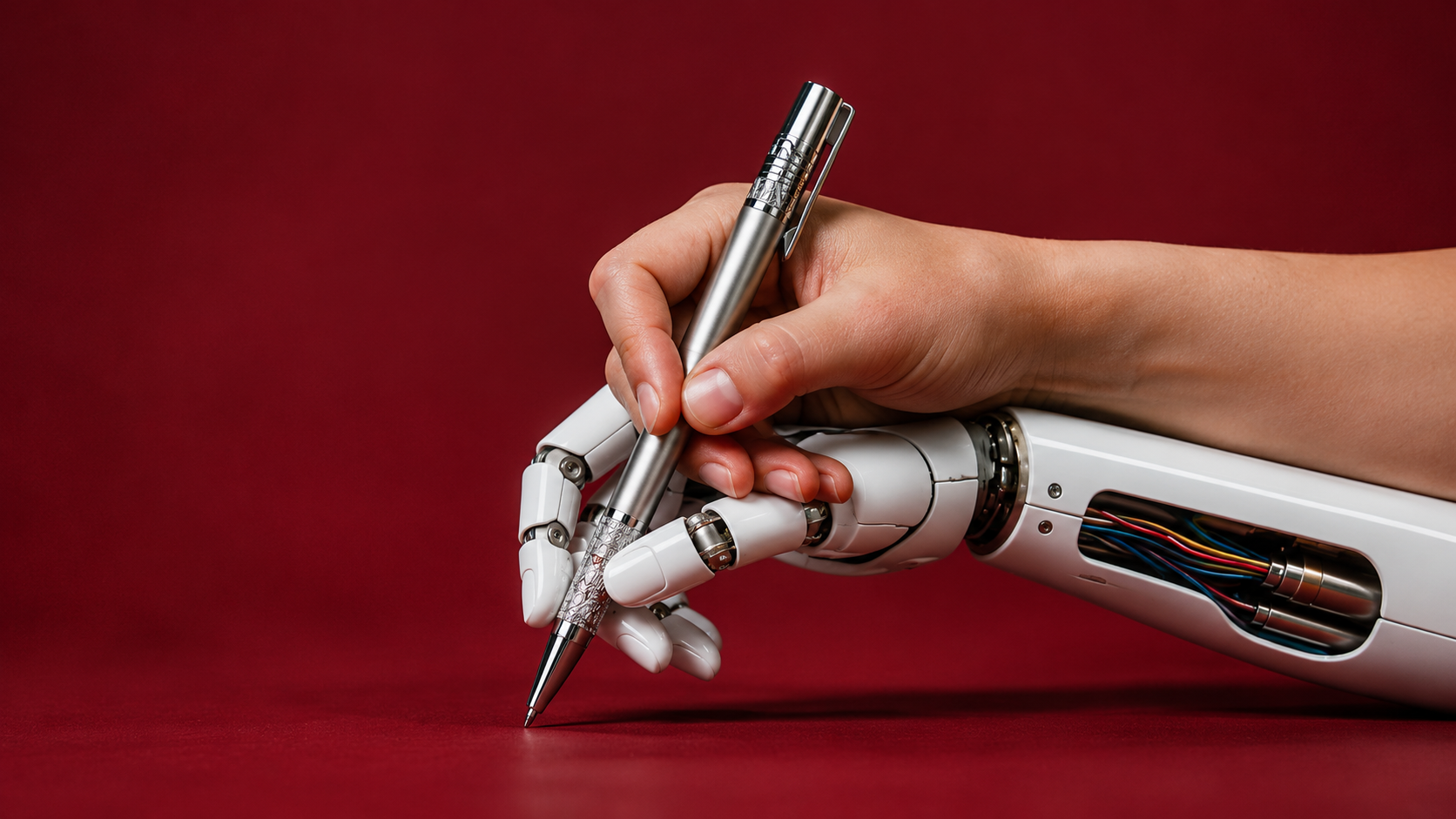
ourselves into AI
In addition, Afterlife AI says its system includes an “executor lock” governing who can access and manage the persona after death, an attempt to address the ethical concerns of who controls the deathbot.
There is an even newer direction emerging in 2026. Researchers are now exploring the idea of posthumous AI agents which propose an afterlife delegation system that could potentially move us from “Talk to my digital version” to “Let my digital version act on my behalf after I’m gone.”
With all these expanding technologies, what does AI do to the way we remember the dead? And what changes psychologically when bonds with the dead become interactive?
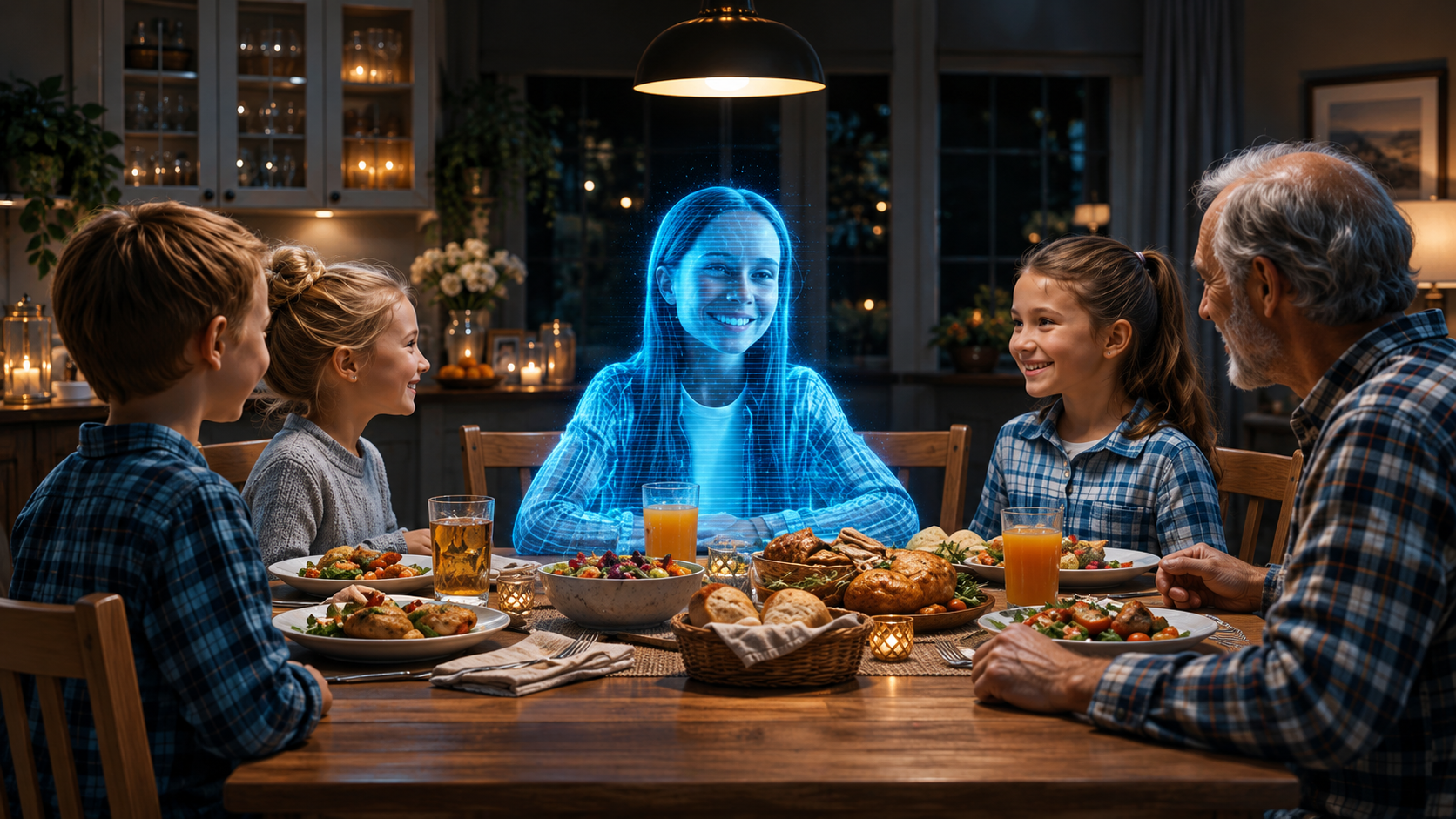
Continuing bonds is a concept in grief research that suggests that maintaining an ongoing connection with loved ones after they pass away can form part of the grieving process, rather than requiring the relationship to be cut off. Common examples of continuing bonds are talking to the deceased in their thoughts or out loud, holding onto their belongings, and celebrating their birthdays. AI now introduces a new medium for this continuing bond.
Since AI does not simply retrieve memories or generate new interactions, according to Kidd & Nieto McAvoy (2025), the deceased’s digital presence is partly shaped by the person talking to the deathbot. Telling the AI things like “That sounds like them” takes part in constructing the AI self as well as the data given. Therefore, the surviving ones are participating in constructing the simulated persona. That is a new form of continuing bonds.
Another question regarding the psychological implications of using these technologies is raised: what do the latter change about our relationship with the dead and their presence? Zhang, Dou & Liu (2025) combined psychology with existentialist philosophy to examine what happens when people interact with AI representations of dead people. They claim that the deceased isn’t literally brought back, but the interaction can make the person phenomenologically feel present to the user. And the question changes from “Is the AI actually the deceased?” to “Does it matter, psychologically, if the interaction feels real even though the deceased isn’t actually there?”
Nonetheless, Fabry (2026) argues that deathbots may reduce the immediate pain of absence. However, that relief could potentially interfere with the longer-term process of adapting to the loss.
Additionally, when someone becomes highly emotionally attached and cognitively engaged with the AI, they may be more likely to keep using it because they feel that their relationship with the deceased is still continuing. Hence, a question emerges: does making the AI more lifelike make it more helpful or psychologically risky?
 Bonding with the dead
GriefTech flags concerns about the commercialization of emotional vulnerability built around an attachment to a simulated version of a deceased person.
What happens when grief becomes connected to commercial services? Project December charged users originally $5 to create an account and simulate text-based conversations. Séance AI, meanwhile, charged $19.99 for full access to animated images, voice recreations, and new features. This way, companies can monetize people’s desire to connect with the dead, potentially turning emotional vulnerability into a source of revenue.
What happens when a company providing deathbots goes out of business? As of July 2026, HereAfter AI, a platform that allowed users to record their life stories and create conversational avatars of themselves, permanently shut down. Users who need to recover their family’s digital remains must email support directly. This shows that the permanence of digital afterlives is at the mercy of private companies and the infrastructure that hosts them.
To wrap up, AI is not an automatic replacement for human support, but it is one additional tool to an existing ecosystem of grief support. The technological ability to produce a simulated persona may alter how we remember the dead and how we experience grief. Since digital afterlives depend on platforms, companies, and technologies, they are not necessarily permanent, creating the possibility of a different kind of loss. If technology can create a digital afterlife, what does it mean for that afterlife to die?
