



A camera can expose injustice, mobilize public opinion and give a voice to those who are rarely heard. But when the person in front of that camera is a child, telling the story can come at a cost that lasts long after the headlines disappear.
When a child's suffering becomes a headline
When a child's suffering becomes a headline
By Michella Rizk | November 13, 2026

Reading time: 7 min
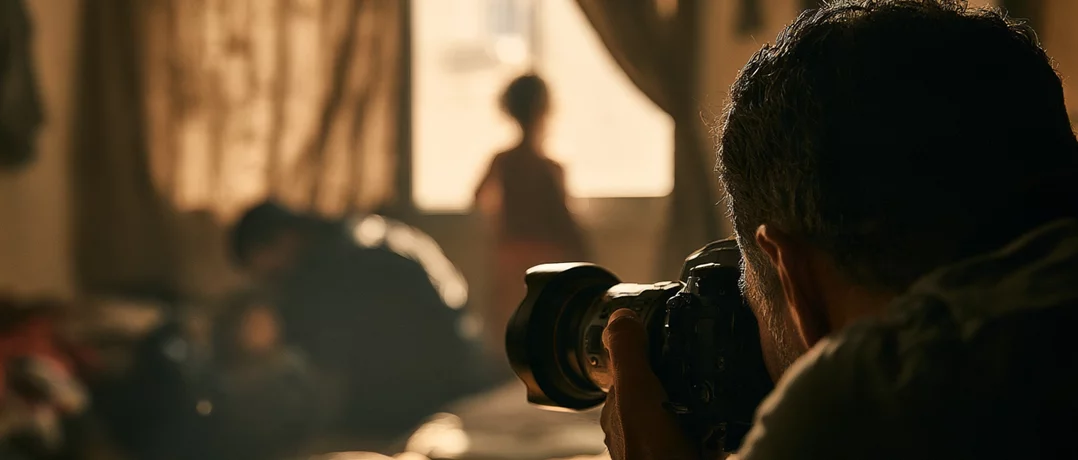
Children caught in Lebanon's wars and crises have often found themselves in front of cameras, whether in hospital beds, displacement shelters or the ruins of their homes. Their stories have brought attention to widespread suffering, but also raised difficult questions about privacy and the consequences of media exposure, especially when images and interviews can circulate online for years. While the story moves on, the child remains, often carrying the consequences of that exposure long after the headlines fade.
These concerns brought journalists, media executives and child protection specialists together in Beirut on November 13 for Safeguarding Child Rights in the Media, an event organized by UNICEF Lebanon in partnership with the Ministry of Information and in collaboration with the United Nations Information Centre in Beirut.
The discussions centered on a question facing every newsroom: how can journalists expose injustice and give children a voice without putting their dignity, privacy and safety at risk?
When the story ends, the consequences remain
For Farah Hammoud, Child Protection Specialist at UNICEF Lebanon, the problem begins when children are treated as instruments for telling a larger story rather than as individuals with rights of their own.
During the discussion, Hammoud challenged the political exploitation of children's suffering and the tendency to use their experiences to reinforce particular narratives.
Children, she argued, should never become tools for proving a political position or attracting an audience.
Ratings should never dictate our ethical boundaries. Children must not be exploited for the sake of attracting viewers.
What happens, she asked, when a child who has publicly discussed painful family circumstances watches that recording at the age of 25? What if the child regrets the disclosures, or discovers that the interview has affected relationships within the family?
The consequences of a story do not necessarily end when the journalist leaves. A moment of vulnerability can become a permanent digital record, resurfacing years later in circumstances neither the child nor the reporter could have anticipated.
Yet Hammoud was equally clear that “protecting children must not become an excuse to silence them”.
Rather than repeatedly exposing a child's suffering, journalists can investigate the failures that allowed the harm to occur, question public authorities and examine whether existing laws and protection mechanisms are working.
Three photographs that forced the world to look
During the discussion, Ammar Ammar, UNICEF Regional Chief of Advocacy and Communications, revisited three photographs that drew worldwide attention to humanitarian tragedies while raising questions about the responsibility of journalists.
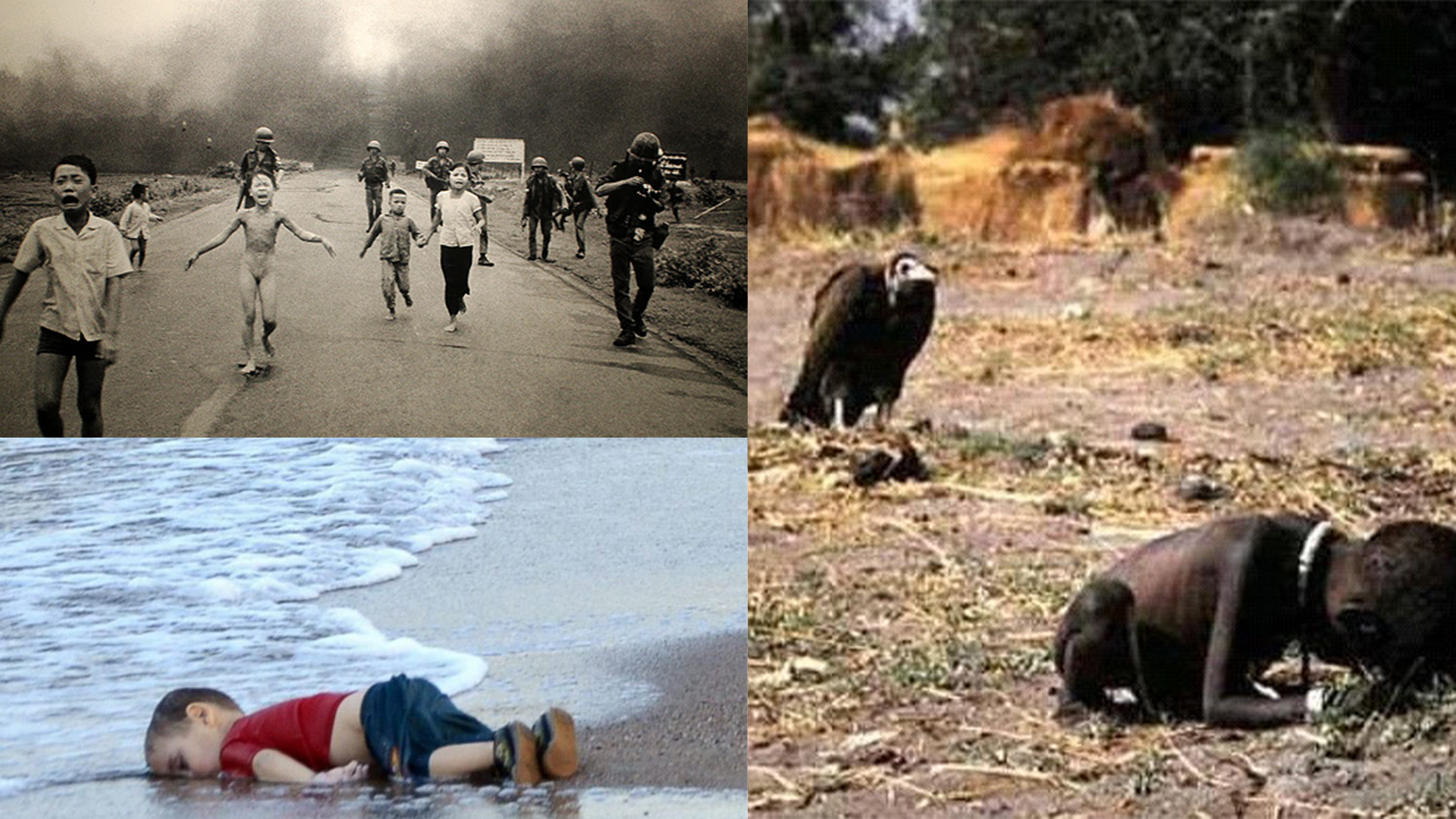
The Vulture and the Little Girl — Sudan, 1993
In 1993, photographer Kevin Carter captured a starving child crouched on the ground as a vulture stood nearby. The photograph drew international attention to Sudan's famine but also sparked criticism of Carter for taking the picture instead of immediately helping the child.
Ammar questioned where journalists should draw the line between documenting suffering and intervening to help those in danger.
The Napalm Girl — Vietnam, 1972
The famous photograph showed nine-year-old Phan Thi Kim Phuc running naked and severely burned after a napalm attack during the Vietnam War.
The image became a powerful symbol of the war's brutality, but Ammar asked whether newsrooms today would publish such a photograph of an identifiable, injured child.
Would protecting her identity have reduced the photograph's impact, or would publishing it still be justified by the public interest?
Alan Kurdi — Turkey, 2015
The photograph of three-year-old Syrian refugee Alan Kurdi lying lifeless on a Turkish beach brought worldwide attention to the refugee crisis.
Taken by Nilüfer Demir, the image prompted intense public reaction but divided editors over whether showing a dead child's body was necessary to tell the story.
Ammar questioned why it took the death of one child, captured in a photograph, to draw widespread attention to a tragedy that had already claimed so many lives.
These photographs helped expose tragedies that the world could no longer ignore. Yet each also raised questions about the dignity and privacy of the children pictured.
Today, the challenge is different. Images of injured, displaced and killed children circulate constantly across television and social media. Ammar warned that repeated exposure risks making even the most disturbing scenes seem ordinary, raising questions about whether such images still inform the public or simply add to an endless stream of suffering.
The race for views and the cost of sensationalism
The race to publish first and attract views has made ethical reporting increasingly difficult. On social media, graphic images of children can spread within minutes, often without proper context or consideration for their privacy.
During the discussion, journalists warned that constant exposure to violent images risks making suffering appear normal. They also recalled families accusing reporters of filming their pain and leaving without offering any help.
Yet responsible reporting can make a difference without exposing children to further harm.
Lili Gerges, Investigative Journalist at Annahar shared the story of a young girl who lost her father and siblings during the war. Rather than asking her to relive the attack or describe how her family died, the interview focused on her dreams, her future and what justice meant to her.
The approach allowed the child to tell her story without being reduced to her suffering.
Consent is only the beginning
A child's agreement to appear on camera does not necessarily mean they understand the consequences of being filmed.
During the discussion, Ammar pointed to the pressure children may feel when journalists arrive at hospitals, displacement shelters or conflict-affected areas. Surrounded by cameras and adults, a child may agree to an interview without feeling able to refuse.
Even parental consent is not enough to guarantee protection. Families facing difficult circumstances may not fully understand how widely an interview could circulate or how it might affect their child years later.
Hiding a child's face is not always sufficient either. A first name, neighborhood, school or family detail may reveal their identity, particularly in small communities.
Ammar stressed that obtaining consent is only the beginning of a journalist's responsibility. Before publishing, reporters must consider whether the story could expose the child to further harm, both immediately and in the future.
When the cameras turn off, the consequences remain
Children's stories deserve to be heard, particularly when they expose violence, neglect or injustice. Keeping them out of the news is not the answer. What matters is how those stories are told and whether the attention they receive helps the children involved.
Newsrooms have a role to play in setting clearer standards. As Farah Hammoud reminded participants,
A child does not belong to public opinion. A child is a human being.
-
-
-
Michella RizkContent Manager/WriterFocusing on social affairs.
-
