



Hope and survival: The reasons they stayed

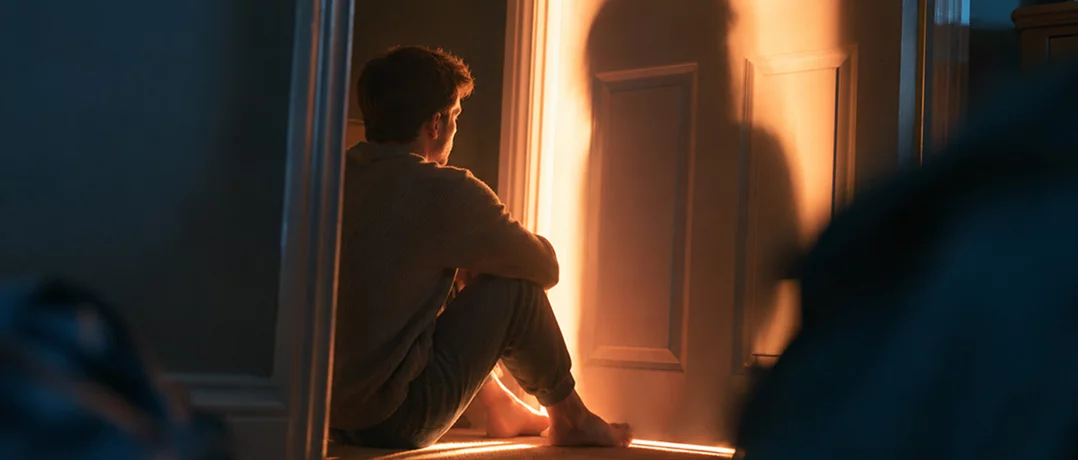
People experiencing thoughts of suicide rarely announce themselves the way fiction suggests, as one dramatic breaking point. More often, they arrive slowly, disguised as exhaustion, numbness, or a conviction that the people you love would be better off without you. For World Suicide Prevention Day, three people who survived that thought, an older man rebuilding after cancer, a mother grieving her son, and a woman recovering from her own attempt, describe what led them there, what pulled them back, and what they wish others understood.
Georges, 67: "I was more afraid of becoming useless"
For Georges, cancer dismantled an identity built around providing for others. "I had always associated my value with what I could provide," he said. "When I could no longer provide in the same way, I did not know who I was." As his savings and business collapsed alongside his health, shame took over. "It is humiliating being in your sixties and having to tell your children that you cannot afford something," he said, describing how he withdrew rather than face their questions.
The thinking that eventually turned dangerous was not dramatic. "I started thinking that my family would actually be financially better off without me. That was the most dangerous thought," he said. "Once you convince yourself that your death is helping the people you love, you can justify almost anything." On the night he came closest to acting on it, an ordinary phone call interrupted him, his granddaughter, calling to show him a drawing. "If I do this, this is the last conversation I will ever have with her," he recalled thinking. He stayed on the phone.
What followed was honesty, telling his family the full extent of his crisis, starting therapy, and accepting financial help he'd resisted out of pride. His message to other older adults who feel like a burden is, “that 'I am a burden' is a dangerous sentence. Your family does not calculate your value like a bank account." Life now looks smaller and he means that as a compliment. "I survived cancer. Then I almost lost my life because I survived cancer. I do not want the second part of that story to be the ending."
Maya, 49: "Grief does strange things to you"
Maya's crisis began the unexpected death of her 19-year-old son. "Everything became divided into before and after," she said, describing months spent walking past his still-untouched room, half-forgetting and then remembering all over again. The suicidal thoughts arrived gradually, evolving from a wish to disappear into something more specific. "I started thinking that perhaps I did not have to" keep living, she recalled, a realization that frightened her precisely because she'd never been someone who thought that way before.
Guilt compounded the pain. "I had another child. I had my husband. I had people who loved me. And I felt guilty that I was thinking about leaving them," she said, drawing a careful distinction, "I was not thinking about hurting the people I loved. I was thinking that I could no longer tolerate the pain I was carrying." The turning point came from her daughter, who sat beside her one night without knowing the full extent of her thoughts and simply said, "Mama, I know you miss him. I miss him too." Maya recalled realizing that if I disappeared, my daughter would not just lose her brother. She would lose me too."
Recovery, for Maya, meant learning to grieve rather than trying to move past grief entirely, speaking her son's name, his jokes, his music, rather than avoiding them. She still has difficult days, triggered by birthdays or a stranger's familiar walk. Her advice to other grieving parents avoids false comfort. "I would not tell them that it gets easy. I would tell them that the weight changes... And please, tell somebody when you are not safe."
Rana, 36: "Someone at risk of suicide may not be asking for attention"
Rana's crisis followed the collapse of her marriage and a painful shift in her relationship with her children. "I felt like everyone else's life was continuing while mine had stopped," she said. Though she told people she was struggling, she concealed the full depth of it, fearing judgment for a mother admitting such thoughts. In the period before her attempt, she didn't appear visibly distressed, she went silent instead. "People sometimes think someone who is suicidal will look extremely emotional. I was the opposite. I felt numb. That numbness was probably more dangerous than the crying had been."
Waking up in the hospital afterward brought confusion, then shame, until she saw her exhausted mother sitting beside her. "I realized that my attempt had not ended my pain. It had transferred it to the people who loved me." Recovery required confronting everything she'd been avoiding, the end of her marriage, a changed relationship with her children, and an identity no longer built around being someone's wife. Reconnection with her children came through small gestures rather than one grand repair, a phone call, a shared meal, a birthday message.
Rana's message about recognizing suicidal risk in others is direct. "You should not wait for someone to say, 'I am going to kill myself.' Ask them. Ask them directly." Speaking to the version of herself from that night, she offered this, "Do not make a permanent decision in the middle of a temporary life... If you cannot believe that tomorrow will be better, let somebody else believe it for you until you can believe it yourself."
What their stories share
Georges, Maya, and Rana arrived at the same devastating thought from entirely different directions, illness and lost purpose, unbearable grief, and the collapse of a marriage and identity. Each survived because someone else's voice broke through at the right moment. Their stories argue for the same simple intervention, asking directly, listening without judgment, and refusing to let shame keep anyone's crisis a secret.
This piece discusses suicide and suicidal ideation. If you or someone you know is struggling, please reach out to a mental health professional, a trusted person in your life, or a crisis helpline in your country.
-
-

-
Jenna GeageaReporter/Writer
-
