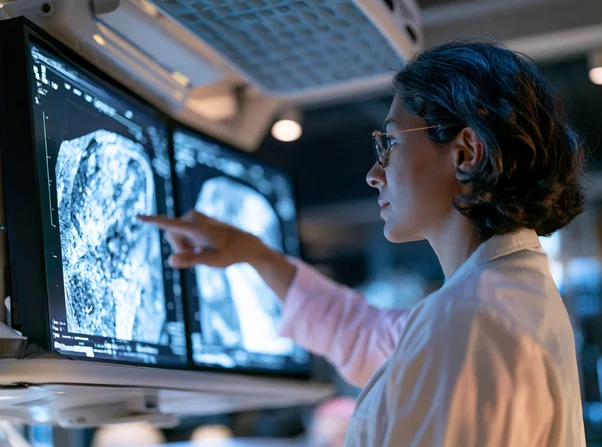
From ancient Egyptian medical records to mammography and emerging breath-analysis research in Lebanon, the history of breast cancer detection reflects a continuing pursuit of earlier, less invasive and more accessible diagnosis.
From a childhood in Liberia to breaking Lebanese sprinting records and becoming a voice against racism, Aziza Sbaity’s journey reflects the power of perseverance, ambition and finding belonging through sport.
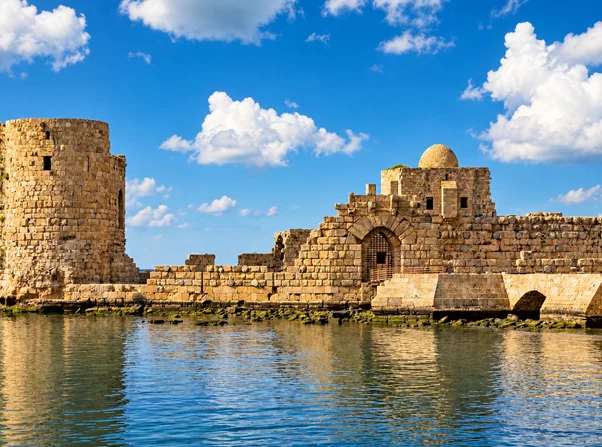
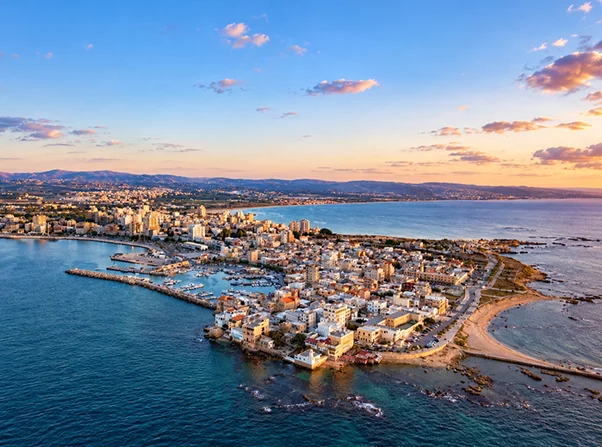
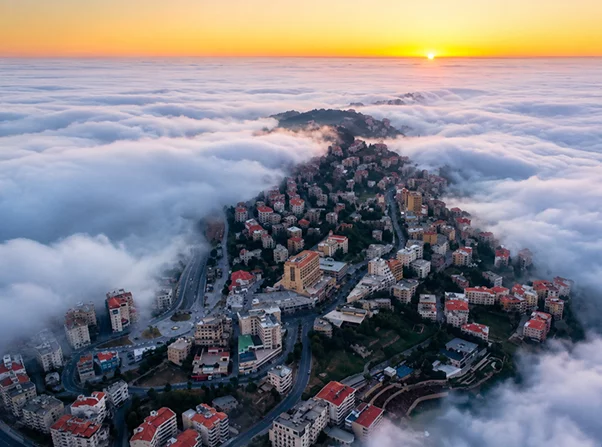
Sidon, one of the world’s oldest continuously inhabited cities, has endured millennia of conquest and conflict while preserving its rich Phoenician heritage, historic port, and enduring role in Lebanon’s coastal life.
The family of 15-year-old Mathias Habib has filed a lawsuit against OpenAI, stating that ChatGPT contributed to his death and calling for stronger safeguards to protect minors from AI chatbots.
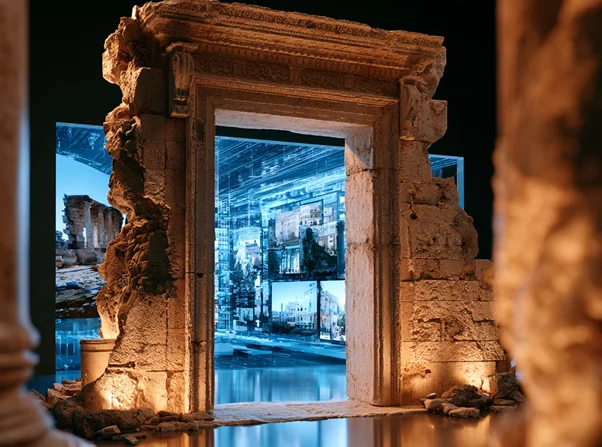
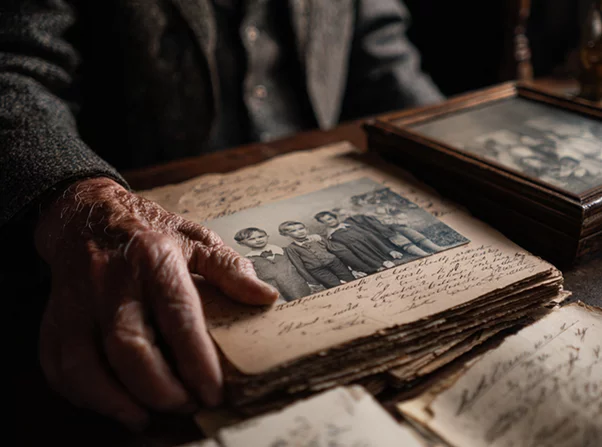
Lebanon launches the Global Archive of Lebanese Identity, inviting people at home and abroad to preserve the country’s collective memory through personal photographs, documents and recordings while retaining control over their contributions.
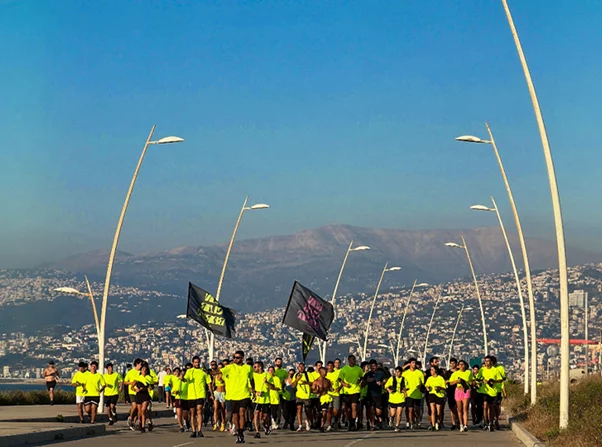
Run Club Beirut and the Sabah el Kheir podcast brought people together for a community run highlighting how shared movement fosters social connection, supports mental health and creates a sense of belonging.
Beirut’s fashion scene reflects the ambitions of young designers striving to turn their creativity into successful businesses amid the challenges of a demanding industry.
An in-depth look at Lebanon’s breast cancer burden, from rising diagnoses and early detection to treatment barriers, medication access and the long-term support patients need beyond survival.
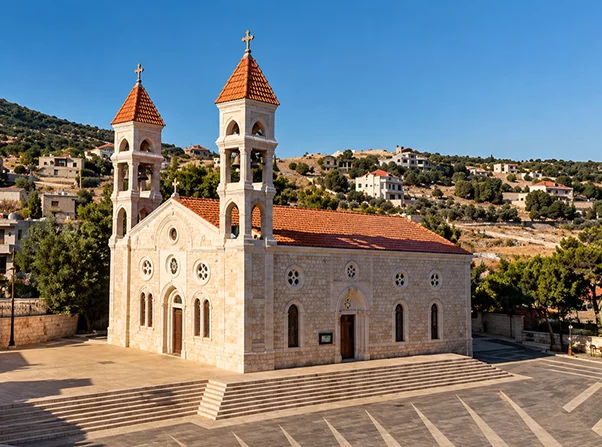
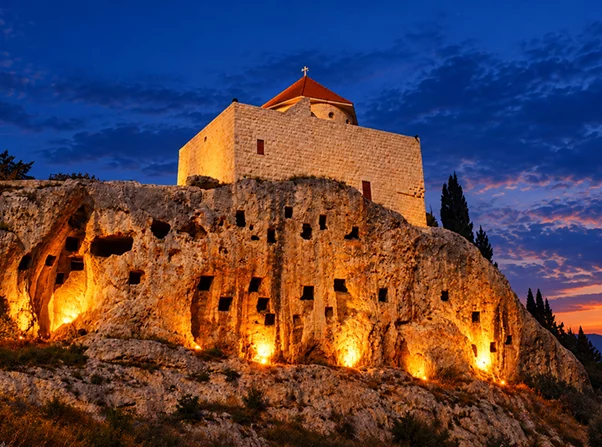
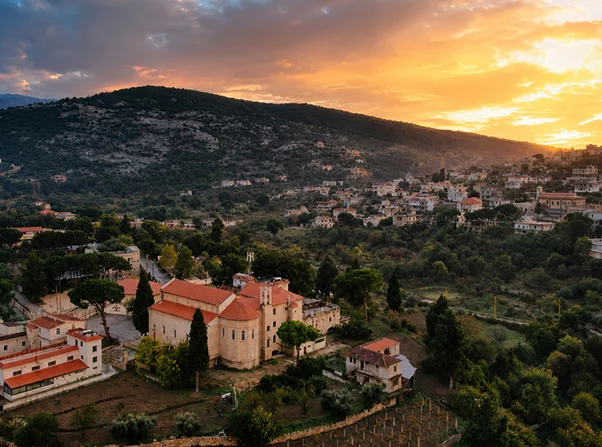
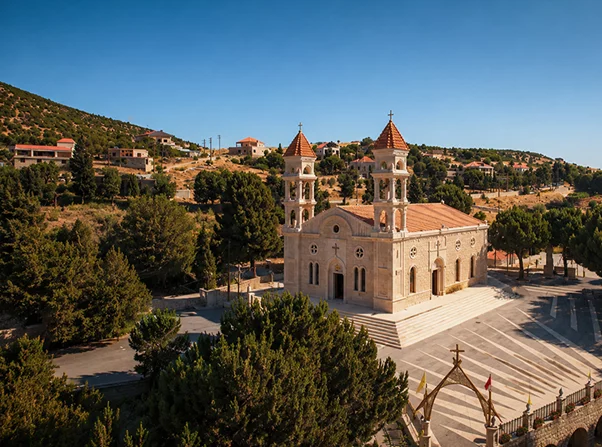
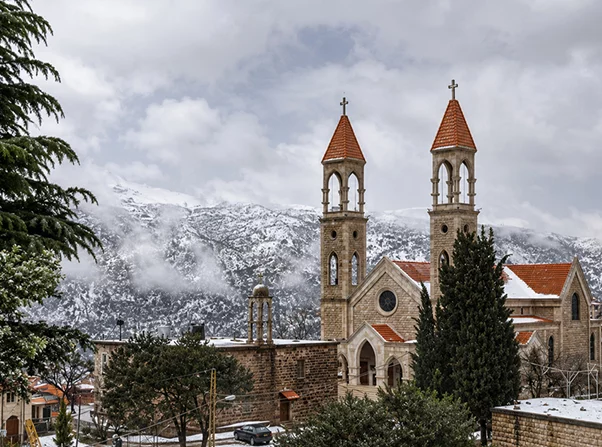
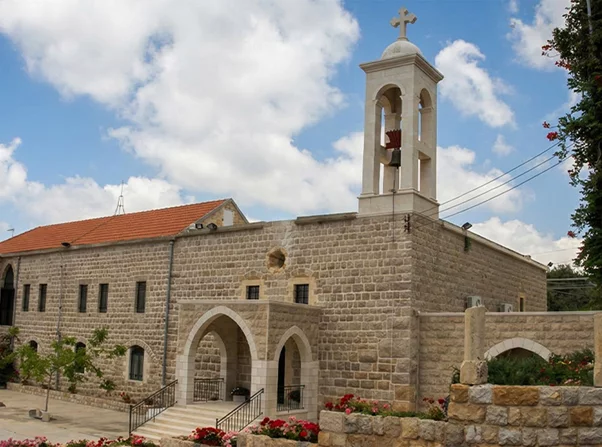
Deir El Ahmar, one of Lebanon’s oldest Maronite communities, preserves centuries of religious history, from Roman temples and ancient churches to the renowned pilgrimage shrine of Our Lady of Bechouat and the world’s largest rosary.
Lebanon marks the International Day for the Eradication of Poverty as rising costs, unemployment and successive conflicts deepen hardship and threaten millions’ ability to meet basic needs.
A look at the 19th-century pioneers who transformed Lebanese painting from religious iconography into a professional art form shaped by local traditions and European influences.
The Beiruter investigates street begging in Lebanon, exposing the gap between existing legal protections, state intervention and the realities faced by vulnerable children, families and the elderly.
Two Lebanese collectors preserve the country’s history through decades of newspapers, safeguarding stories, headlines and everyday memories that might otherwise disappear.
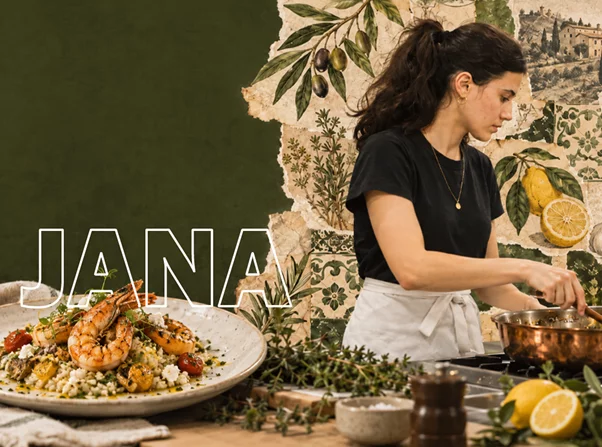
At 24, Lebanese chef Jana Kaddouh is building her culinary identity between Lebanon and Canada, blending French technique, Lebanese roots and a drive to keep learning.
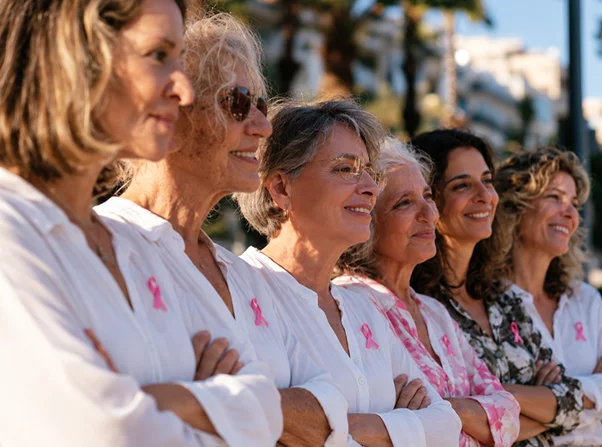
Three breast cancer survivors reflect on diagnosis, treatment, family, and the lives they continue to build beyond the disease.
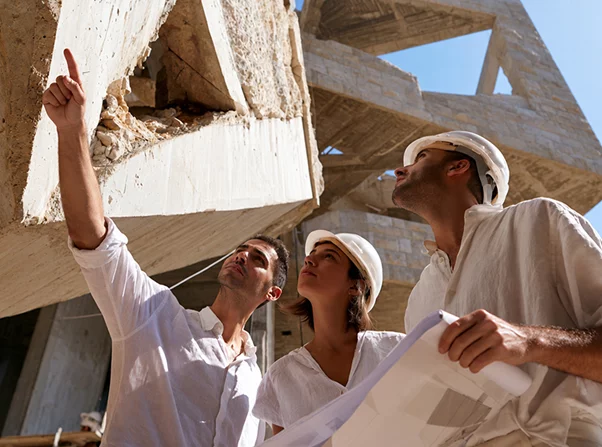
Young Lebanese architects are redefining the future of design through technology, AI, social media and contemporary spaces that reflect a new generation’s vision.
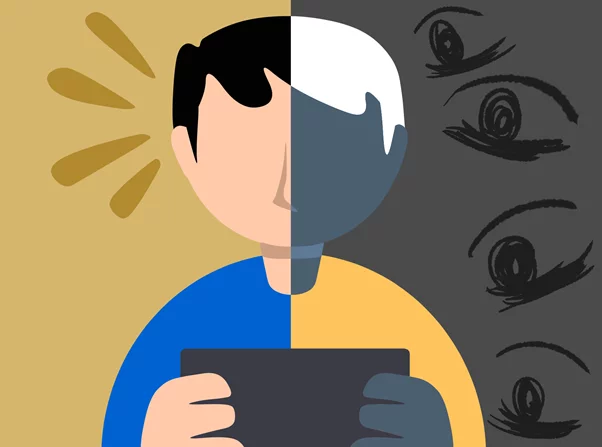
Parents are increasingly divided over when children should receive their first phones, weighing communication and safety against concerns over screen time, sleep, development and dependency.
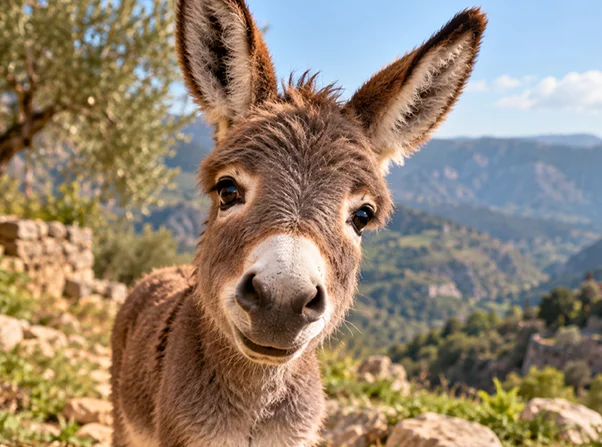
From a vital farm worker to a symbol of Lebanon’s rural heritage, donkeys continue to connect the country’s villages, people and traditions.
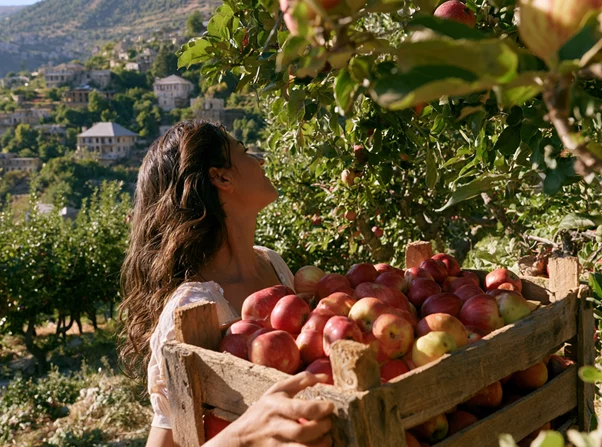
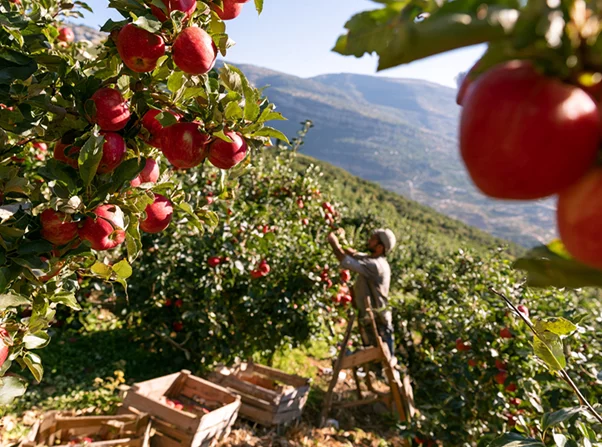
Lebanon’s apple farmers face a difficult harvest as rising costs, market pressure, water shortages and conflict-related damage threaten their livelihoods.
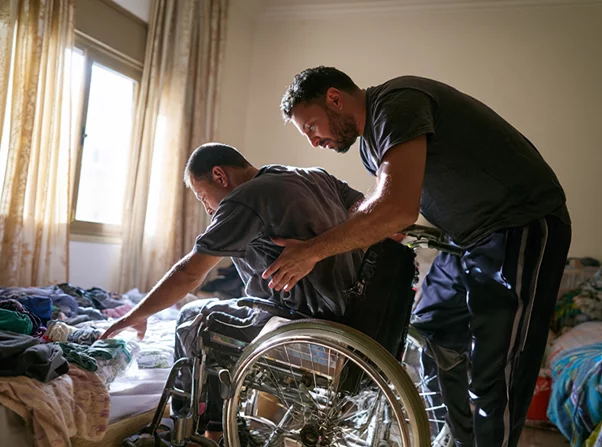
Family caregivers describe the hidden costs of caring for loved ones, from careers and finances to relationships, identity and emotional well-being.
Three young adults reflect on how their parents’ divorce shaped their childhoods, relationships, sense of stability and understanding of love long after the separation.
Ghosta is a historic Maronite village whose monasteries, schools and cultural figures helped shape the religious and intellectual life of Mount Lebanon.
Beauty standards can take root as early as age three, shaping how children view their bodies, food and self-worth long before they fully understand the messages around them.
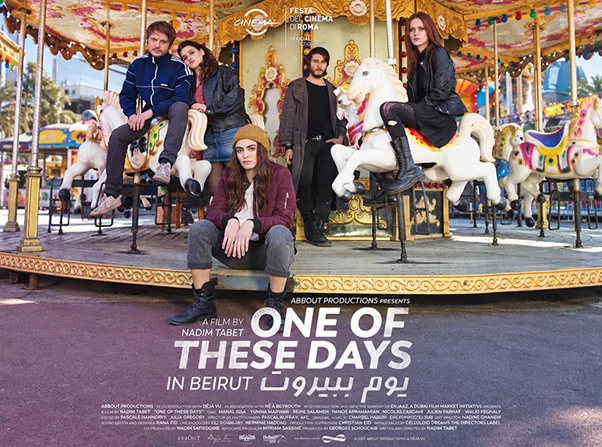
Nadim Tabet reflects on his journey through cinema and explores Lebanon’s history, identity and recurring conflicts through his latest film.
Lebanon’s Constitution sets no upper age limit for political participation, leaving the question of age, capacity and leadership to voters and individual circumstances.
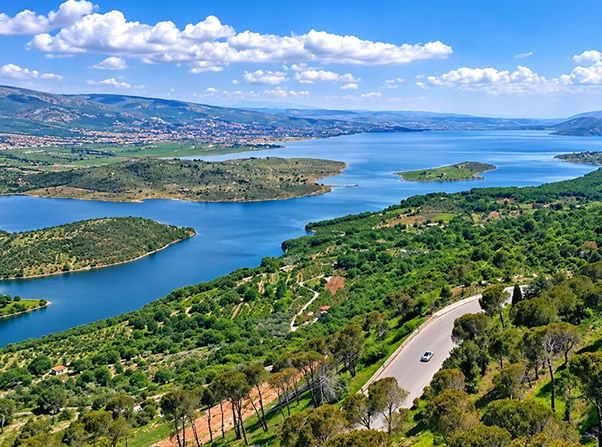
Saghbine, a historic West Bekaa village overlooking Qaraoun Lake, blends ancient heritage, wartime memory, mountain landscapes and enduring agricultural and culinary traditions.
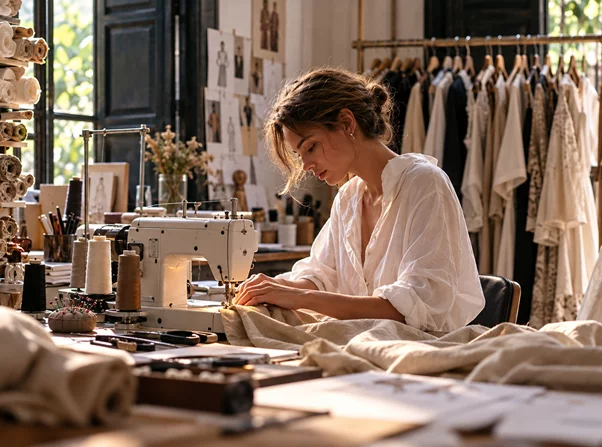
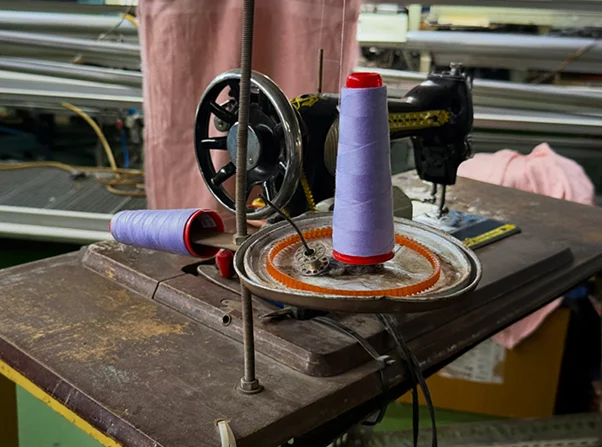
Qamīs: Fragments of Dress explores Lebanon’s textile heritage through craftsmanship, industrial knowledge and the stories embedded in the making of everyday clothing.
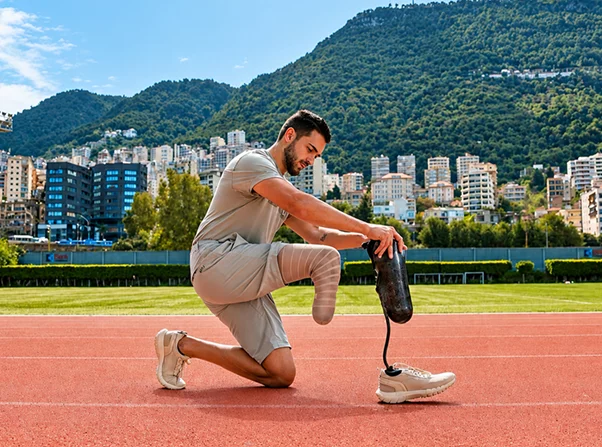
Lebanese para-athlete Arz Zahreddine has turned cutting-edge prosthetic technology, relentless discipline and self-financed determination into a career among the world’s fastest para-sprinters.
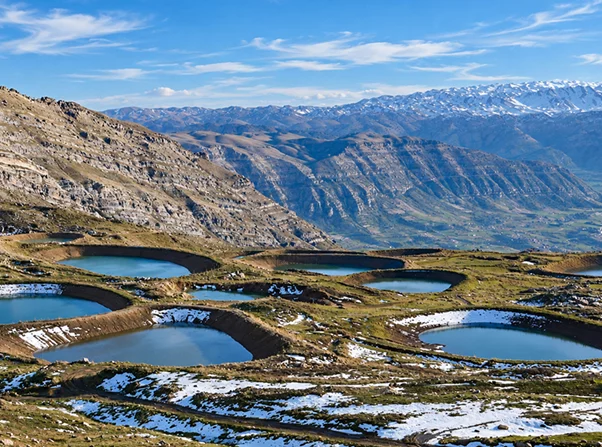
Aaqoura, the “Queen of the Jroud,” is a vast mountain village where ancient pagan heritage, early Maronite Christianity, apple orchards and turquoise lakes converge.
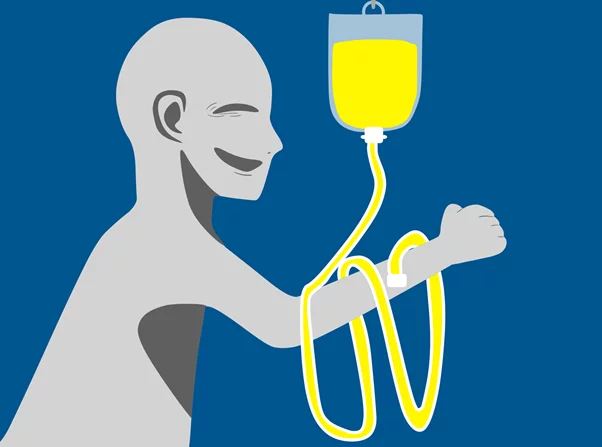
IV therapy has legitimate medical uses, but claims that wellness IV drips can boost immunity, detox the body or cure hangovers often go beyond the available evidence and carry real medical risks.
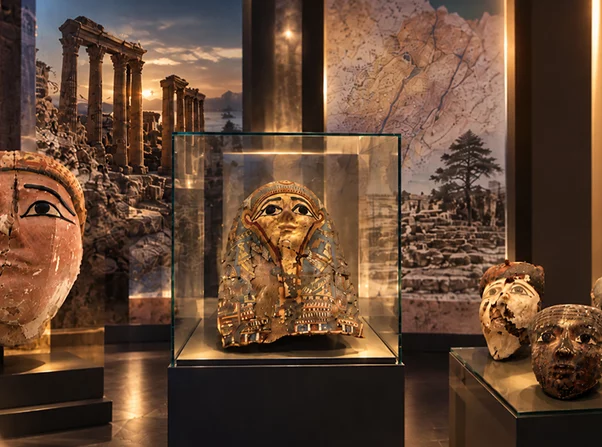
Egypt's Ambassador to Lebanon and Lebanon's Culture Minister Ghassan Salameh speak to The Beiruter about the return of 37 ancient Egyptian artifacts.
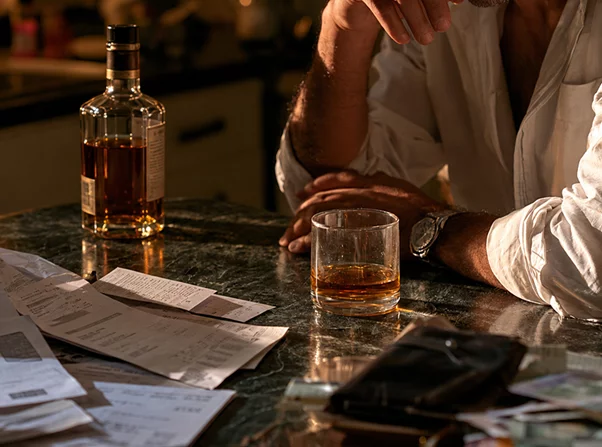
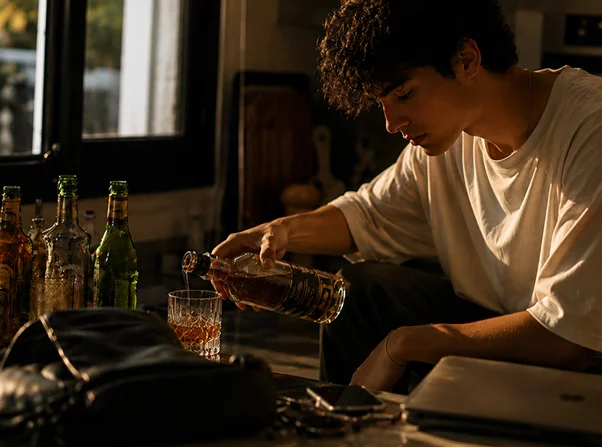
Lebanon’s worsening alcohol crisis reflects a global health burden intensified by economic collapse, repeated trauma, mental health struggles and limited access to addiction treatment.
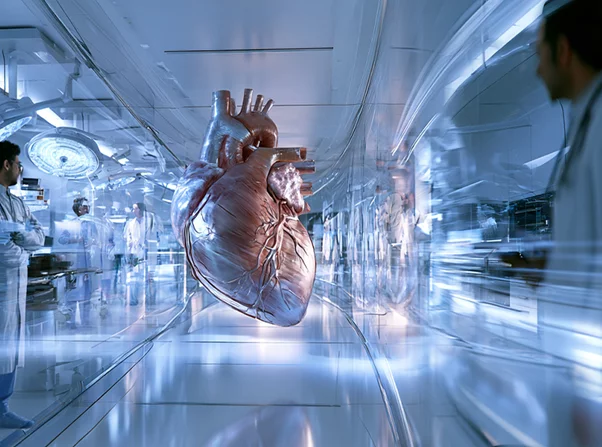
On World Heart Day, two Lebanese cardiologists reveal how the country’s heart specialists are shaping medicine through accessible care at home and innovation on the global stage.
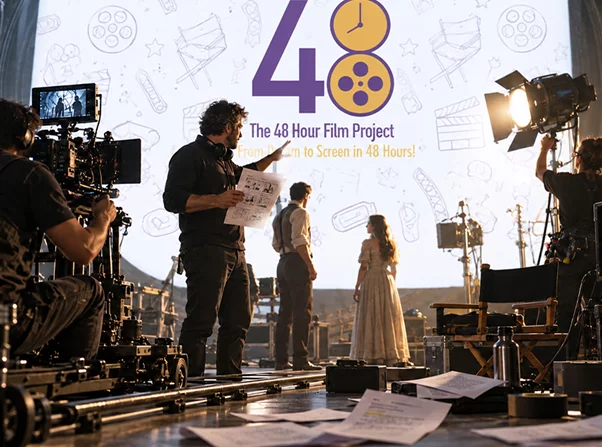
Beirut’s 12th 48 Hour Film Project brought 14 teams together for a high-pressure filmmaking sprint, proving the local film community’s determination to keep creating.
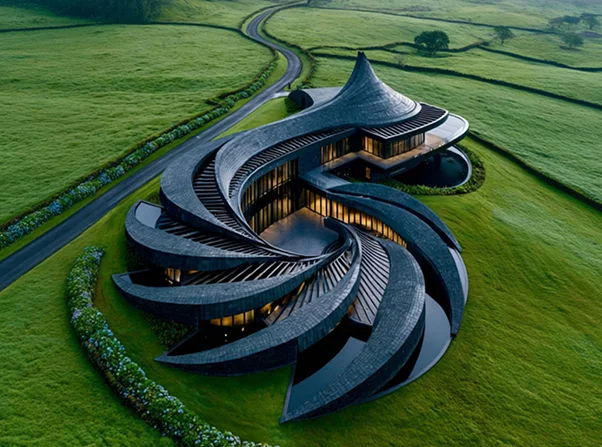
AI is transforming architecture by accelerating design and expanding creative possibilities, but human judgment remains essential to turn ideas into safe, meaningful and buildable spaces.
Amioun, Lebanon’s Greek Orthodox heartland, carries nearly 4,000 years of history from Bronze Age settlements to Byzantine churches, Ottoman-era houses and its enduring olive-growing traditions.
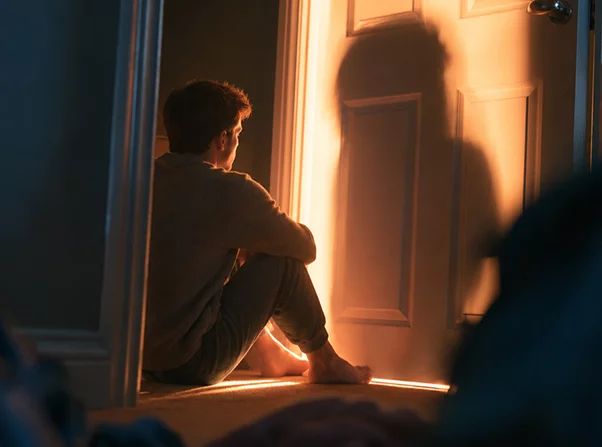
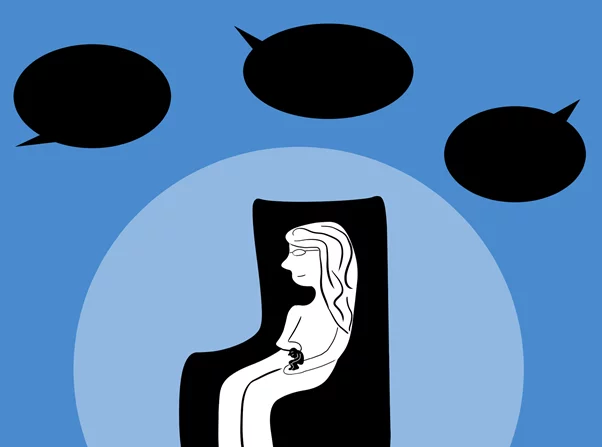
Three suicide survivors share deeply personal stories of illness, grief and loss, revealing the warning signs, moments of connection and paths to recovery that helped them choose to keep living.
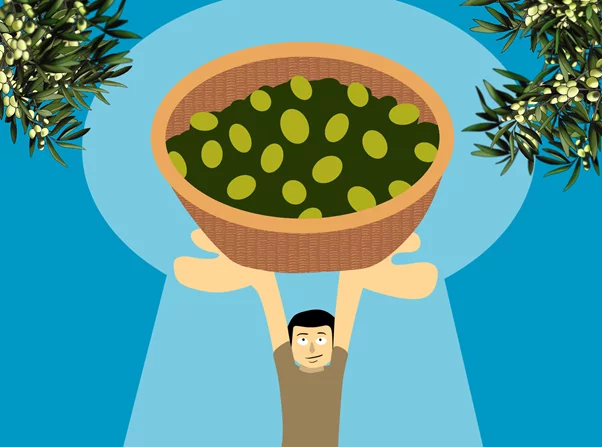
Lebanon’s olive harvest reveals a living inheritance shaped by family tradition, changing climate, rising costs, and the farmers fighting to preserve it.
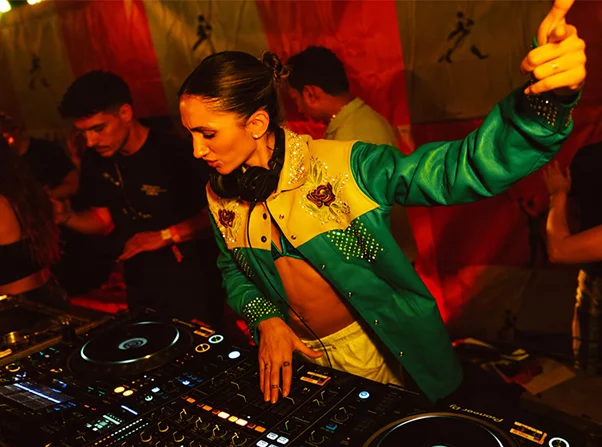
Lebanese DJ Chloe Barakat, known as KLO, shares her journey from violin and architecture to international dance floors, mentorship and music education.
On International Literacy Day, three Lebanese bookshops reveal how resilience, reinvention and memory are keeping the country’s centuries-old literary tradition alive.
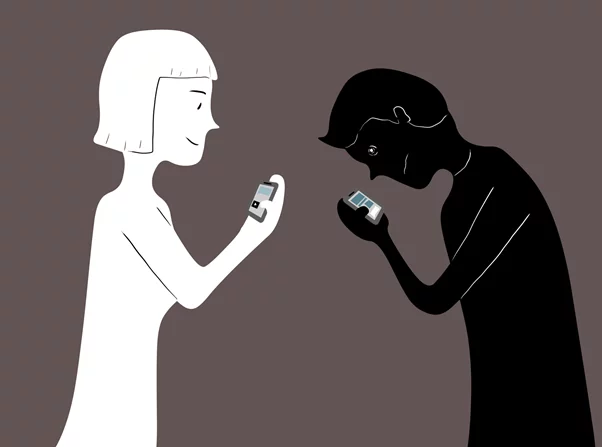
Social media can be a lifeline or a weapon, showing how the same platforms can mobilize compassion to save lives while amplifying harm, exploitation and despair.
Mounia Akl reflects on her journey to directing Kate Winslet in her upcoming Netflix series, while staying rooted in the stories and places that shaped her.
What happens when the woman is the one who cheats? Three stories explore the reasons, realities and consequences behind female infidelity.
Hardine and Kfar Helda reveal a lesser-known side of Batroun, where Roman temples, ancient churches, medieval frescoes and centuries-old traditions preserve nearly two millennia of history.
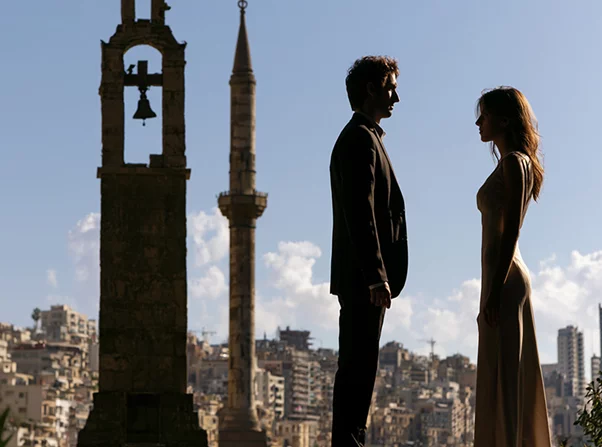
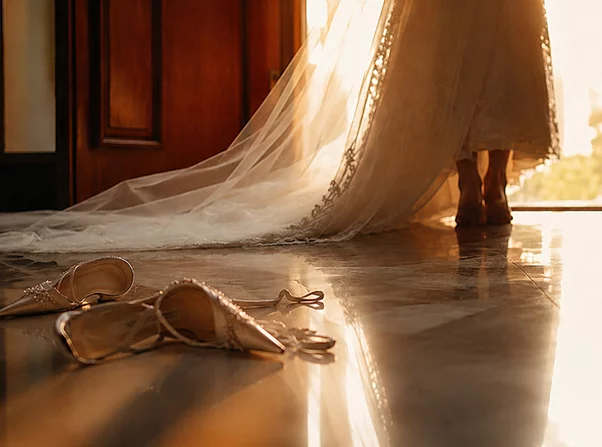
Lebanon’s unwritten rules of love turn romance into a grand family affair, from first dates and formal proposals to lavish weddings and shared celebrations.
Nadim Mehanna discusses the challenges of bringing Saint Rafqa’s extraordinary suffering and 19th-century Lebanon to the screen while filming a universal story for audiences of all ages.
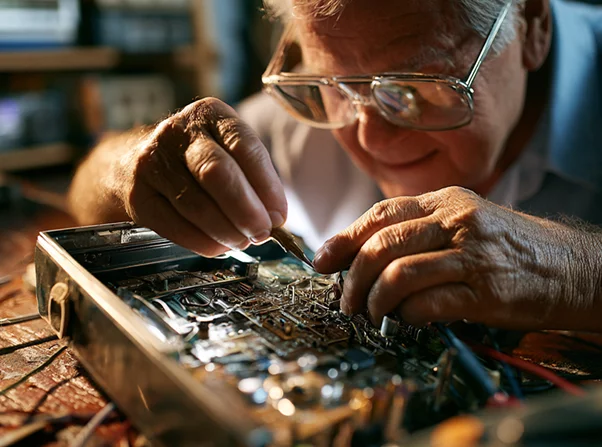
Two aging radio repairmen preserve a disappearing Lebanese craft, and the memories embedded in the machines they keep alive.
The long-term effects of alcoholism extend beyond drinking itself, shaping grief, relationships, identity and recovery long after the addiction begins or ends.
Burnout is more than ordinary tiredness, emerging from prolonged stress, financial pressure and a lack of genuine recovery.
Bhamdoun is a historic mountain village and former railway resort whose identity was shaped by migration, sectarian history, tourism, war, and enduring local traditions.
People-pleasing is not simply being “too nice,” but often a fear-driven survival response in which avoiding rejection or conflict comes at the cost of suppressing your own needs and boundaries.
Three Lebanese interfaith couples reveal how family pressure, expectations around marriage and children, and inherited religious traditions can turn love across sectarian lines into difficult choices
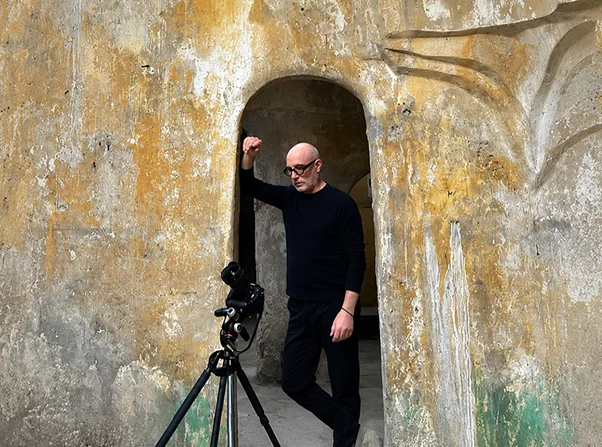
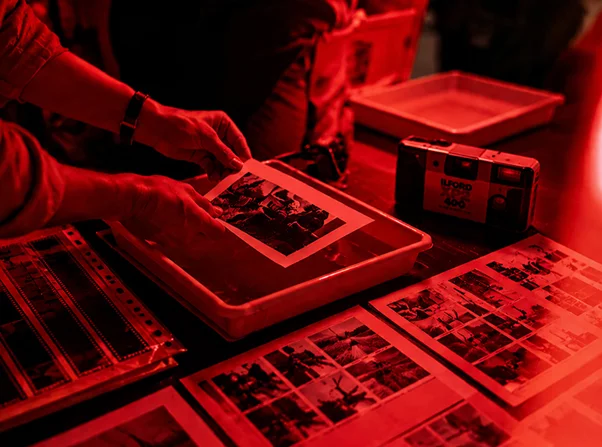
A look at how one photographer’s shifting relationship with the camera reflects photography’s evolution from documenting reality to questioning what is real.
In Lebanon, casual comments about weight are so normalized that they can reshape how people eat, see themselves and relate to their bodies.
Architecture shapes how we experience a home, from light and privacy to nature and spatial design, creating the conditions for comfort and belonging while personal memories ultimately turn a house into a home.
Cosmetic procedures have become increasingly normalized among young Lebanese women, raising questions about beauty standards, social pressure, and where self-care ends and insecurity begins.
Al Qoubaiyat is a historic mountain village in Akkar, known for its water-rich landscape, deep Maronite heritage, and centuries-old role as the region’s Christian hub.
Three Lebanese women share how the pressure to marry before 30 shapes their relationships, choices and fears, and why love should never have an expiration date.
How photography transformed the way we see the world, through the lens of Lebanese photographer Rami Rizk.
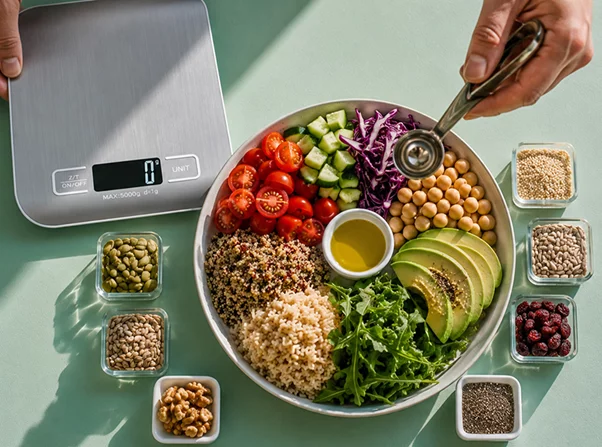
When healthy eating becomes driven by fear, guilt, rigid rules, or food obsession, it can shift from supporting health to undermining physical, psychological, and social wellbeing.
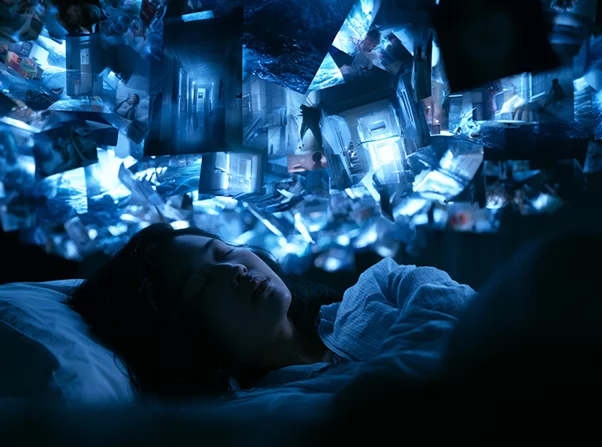
Dreams have long been interpreted as messages, from Freud and Jung to cultural superstition, but modern psychology suggests their recurring themes may reflect universal anxieties, emotions, and experiences rather than fixed meanings.
In Lebanon, abortion exists in the space between restrictive law and lived reality, leaving women to navigate deeply personal decisions through secrecy, medical advice, family and private networks.
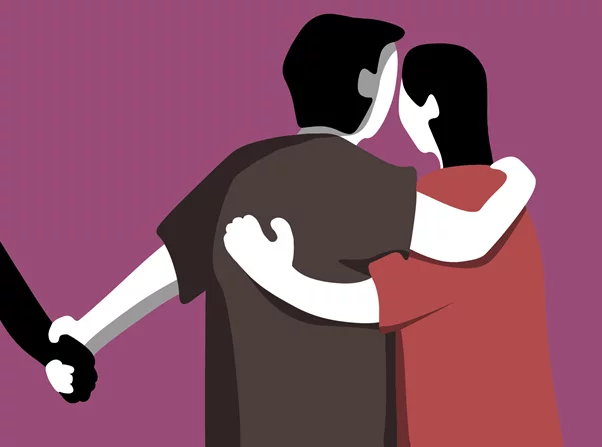
Three Lebanese women reveal why they stayed after infidelity, choosing faith, motherhood, or financial security over the clean exit society expects.
Two Lebanese women challenge the expectation that marriage must lead to motherhood, revealing the personal cost, uncertainty, and complexity behind choosing, or being unable, to have children.
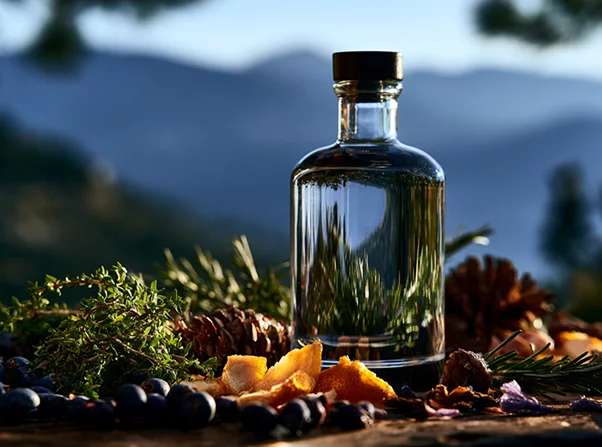
Lebanon’s emerging gin industry is transforming native juniper, local botanicals and entrepreneurial spirit into a growing homegrown category with international ambitions.
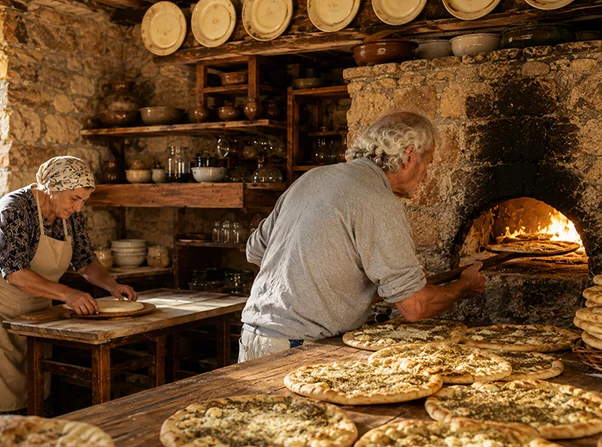
Lebanon’s traditional bakeries are living repositories of family, memory, craftsmanship and a slower way of life.
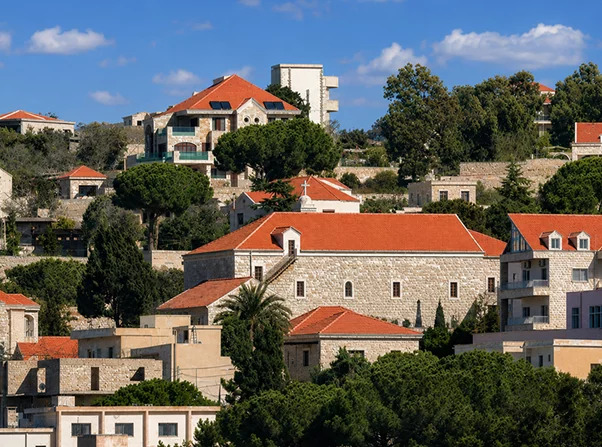
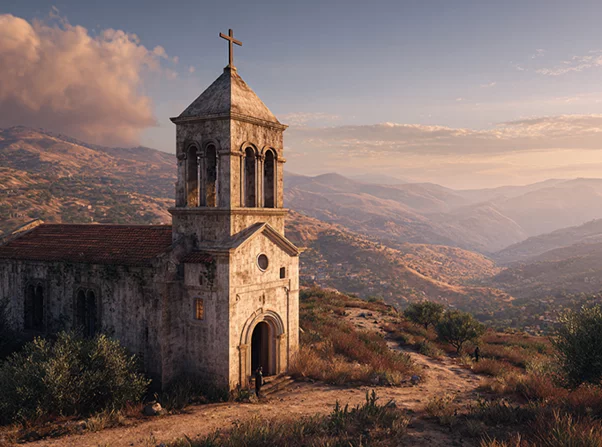
Ain Ebel, one of southern Lebanon's oldest Christian villages, continues to preserve its history, faith and identity as residents choose to remain on their land despite war, displacement and ongoing security restrictions.
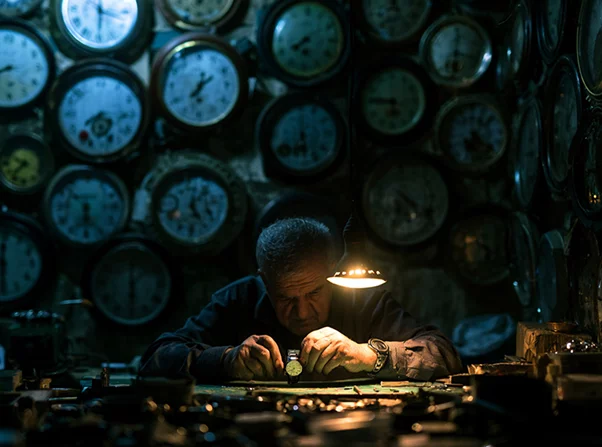
Lebanon’s aging watch repairers keep a disappearing craft alive, preserving decades of skill, memory, and patience in small village workshops.
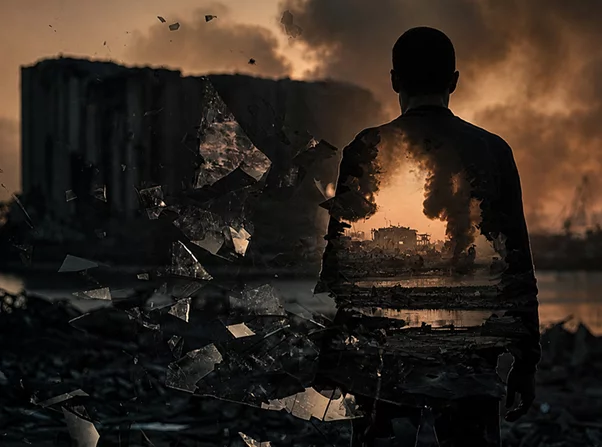
Three survivors of the Beirut port explosion reflect on the pieces of their lives the blast took, and the lives they rebuilt in its aftermath.
Lebanon’s fashion resale scene is turning pre-loved clothing into a thriving market built on affordability, trust and sustainability.
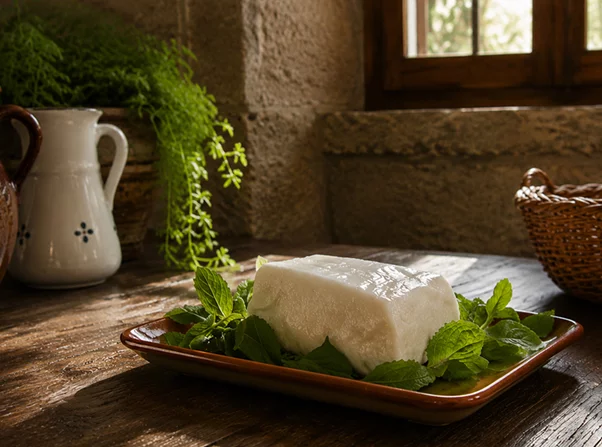
Discover the stories of two Lebanese family-run dairy farms preserving generations-old cheesemaking traditions through resilience, craftsmanship, and an unwavering commitment to quality.
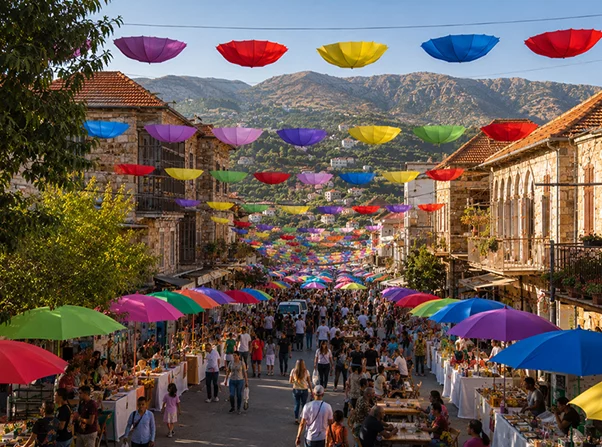
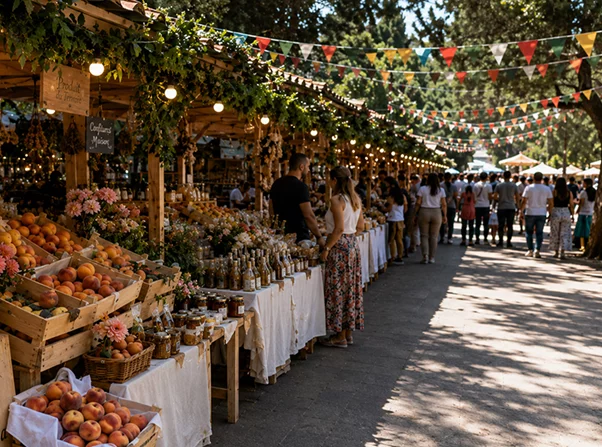
The Hasroun Flower Festival celebrates the beauty of Lebanon's "Mountain Rose" while boosting local businesses, showcasing artisans, and highlighting the resilience and community spirit of one of the country's most picturesque villages.
Discover how the Bsharri National Committee for Environmental Protection has spent more than three decades pioneering recycling, protecting Lebanon’s cedar forests, preserving water resources, and leading grassroots environmental conservation.
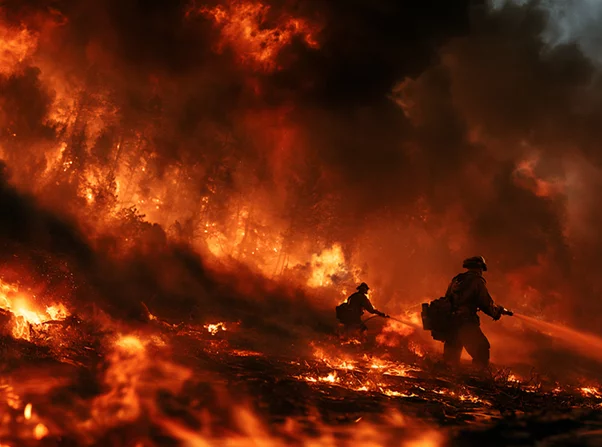
As record-breaking heatwaves and wildfires spread across Europe, North Africa, and the Middle East, experts warn that Lebanon must invest in prevention and preparedness before climate-driven fires become even more destructive.
As artificial intelligence transforms fashion, industry experts argue that while AI can accelerate design and marketing, it cannot replicate the creativity, intuition, and emotional depth that define human style.
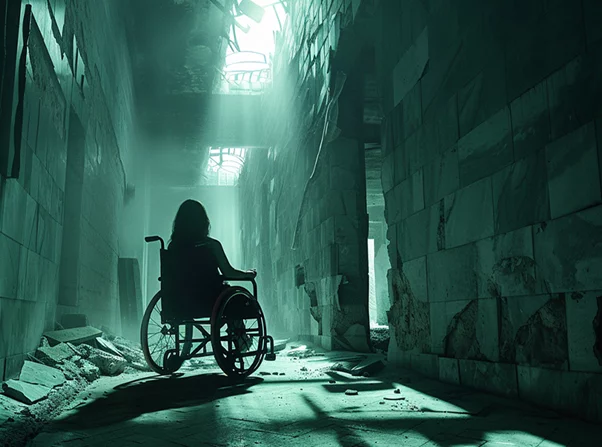
A new UN Women-led report warns that persons with disabilities, particularly women and girls, remain among the most vulnerable during Lebanon's displacement crisis, calling for urgent reforms to make humanitarian aid more inclusive and accessible.
Discover how Deir el Qamar, Lebanon's former capital, evolved from the seat of powerful emirs into a symbol of coexistence, heritage, and intellectual life that helped shape the country's history.
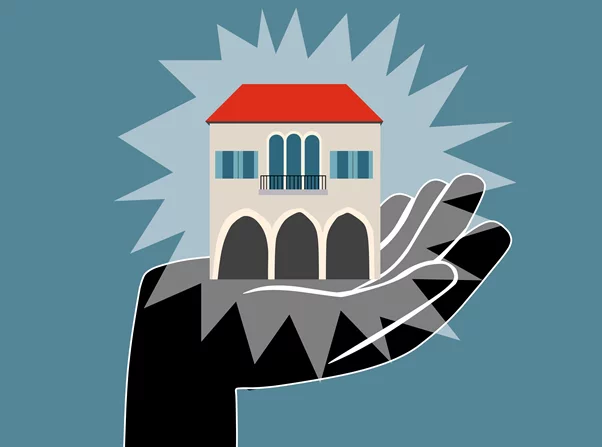
As Lebanon's traditional homes disappear under rapid urbanization, architects are working to preserve their architectural identity while thoughtfully adapting them for modern living through heritage restoration and sustainable design.
Divorce is rising in Lebanon as economic pressures, changing social norms, financial independence, and evolving family dynamics reshape marriage, according to legal experts and new data from Information International.
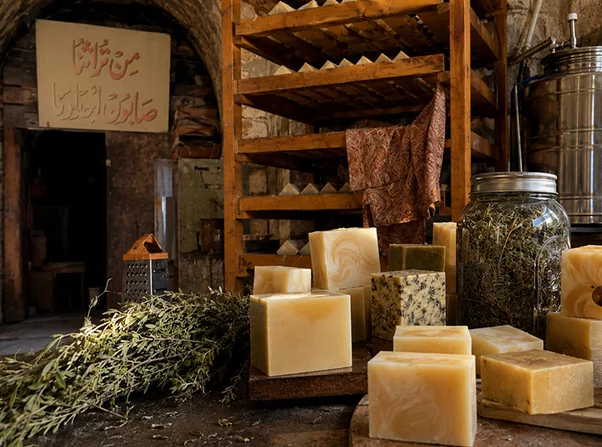
Tripoli’s centuries-old soap-making tradition continues to endure through family-run workshops that preserve Lebanon’s artisanal heritage while adapting to modern economic challenges.
Lebanon’s iconic cedar forests are facing mounting threats from climate change, pests, and habitat loss, prompting conservationists and authorities to intensify efforts to protect one of the nation’s most enduring symbols.
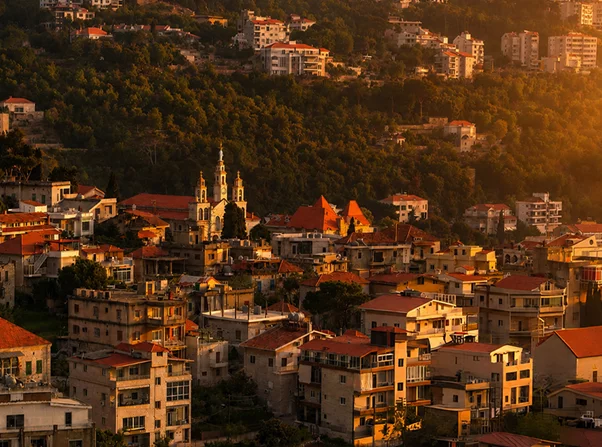
Discover Baskinta, one of Lebanon’s highest mountain villages, where ancient civilizations, centuries of faith, literary giants, and enduring traditions converge to create one of the country's richest cultural landscapes.
How White Friday in Amman is strengthening Lebanon-Jordan ties by bringing together designers, artisans, and entrepreneurs through a vibrant marketplace celebrating fashion, creativity, and cultural exchange.
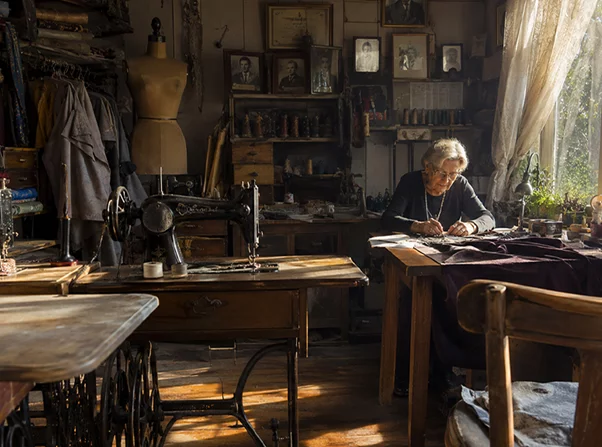
Meet three of Lebanon's last traditional tailors whose workshops preserve not only a disappearing craft but also decades of family memories, resilience, and the human stories stitched into every garment.
How Lebanese cinema reached global prominence in the 2010s, earning Cannes honors and back-to-back Oscar nominations while transforming Lebanon's stories of war, identity, and resilience into internationally acclaimed films.
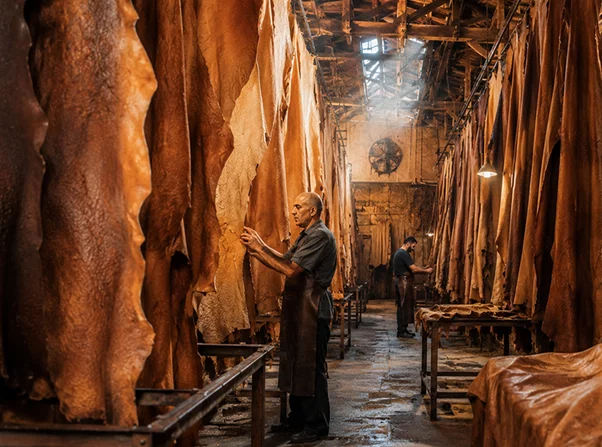
Once at the heart of Lebanon's manufacturing economy, the country's leather industry has dwindled to a handful of family-run workshops, where artisans are fighting to preserve a century-old craft through innovation, resilience, and tradition.
Discover Bikfaya, Lebanon's historic mountain village, where centuries of heritage, stone architecture, religious landmarks, and the beloved Peach Festival come together amid the cool pine-covered slopes of Mount Lebanon.
Beyond resilience lies a more urgent question: why should any society be expected to adapt indefinitely to conditions that should never have become normal?
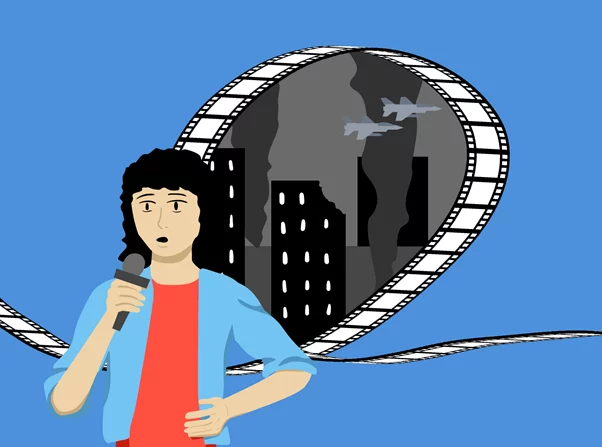
How the early 2000s transformed Lebanese cinema into a globally acclaimed industry, as filmmakers moved beyond war narratives to redefine the country's modern cinematic identity.
From genocide survivors to master craftsmen, Bourj Hammoud's Armenian jewelers transformed loss into legacy, preserving generations of artistry, resilience, and entrepreneurship that continue to shape Lebanon's jewelry industry.
From Lebanon's only bell foundry to its stone alleyways and centuries-old churches, Beit Chabab offers a rare glimpse into the country's living cultural heritage.
From the Bird Language to playful word games, Lebanon's secret childhood languages reveal a unique oral tradition that reflects the country's rich linguistic heritage, creativity, and cultural identity.
How the 1990s transformed Lebanese cinema from a fractured post-war industry into the foundation of the country's modern filmmaking renaissance.
In Lebanon, dressing well during times of crisis reflects more than fashion, it reveals how identity, resilience, and self-expression endure through uncertainty.
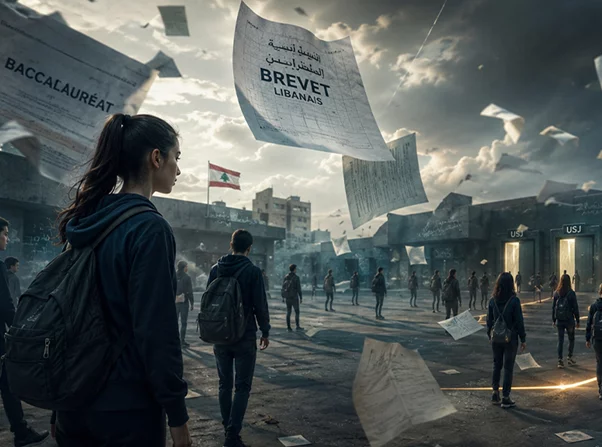
Lebanon's cancellation of the 2026 Baccalaureate raises major questions about university admissions, educational equality, and international recognition.
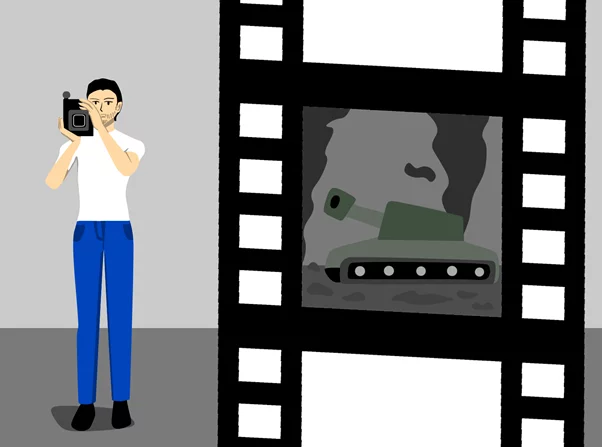
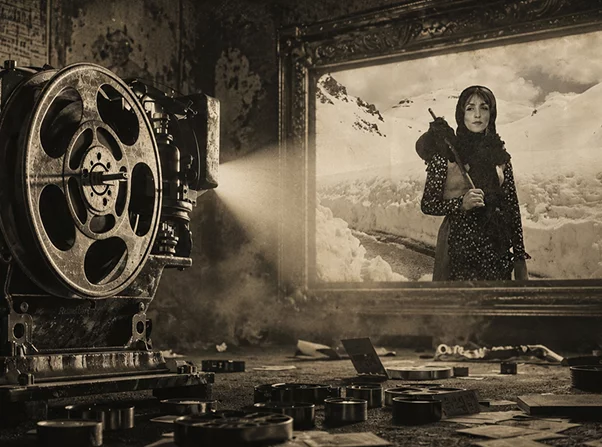
Amid war, siege, and displacement, Lebanese filmmakers of the 1980s turned cinema into an act of witness, documenting a country unraveling in real time.
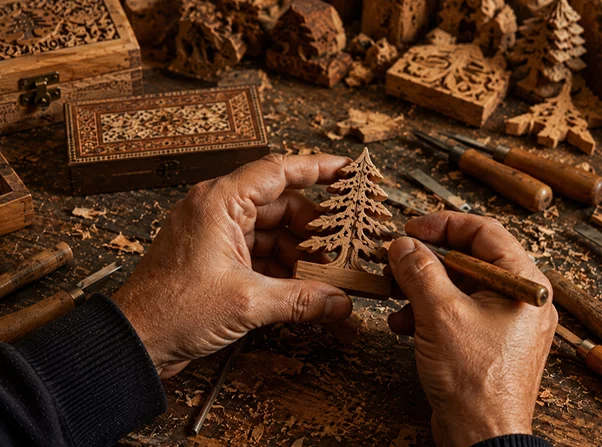
For more than six decades, cedar craftsman Joseph Tawk has preserved one of Lebanon’s oldest mountain traditions, transforming the nation’s most iconic tree into works of memory, faith, and heritage.
A look back at the golden era of Lebanese cinema in the 1970s, when filmmakers transformed a thriving industry into a powerful tool for documenting war, identity, and social change.
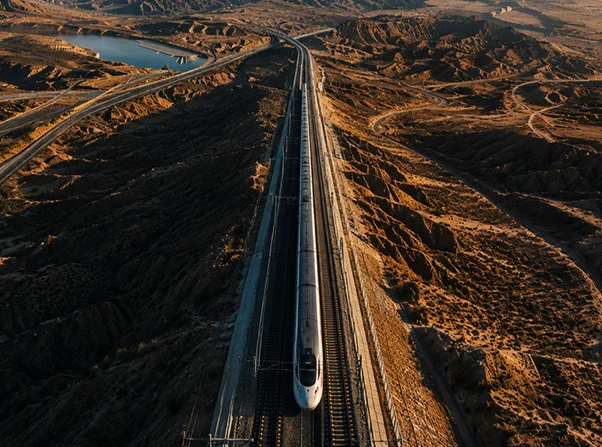
A proposed Gulf-Europe railway could reshape regional trade routes while reopening questions about Lebanon’s historic and future role in Middle Eastern rail connectivity.
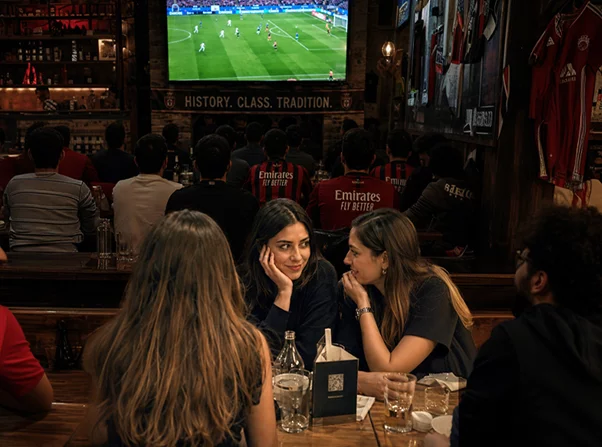
Football in Lebanon is often about more than goals and trophies, with many fans paying as much attention to players' character and personal lives as their performances on the pitch.
A rural Lebanese healthcare clinic serving all communities says it has been left without meaningful state support for nearly a decade despite filling critical gaps in the country's strained health system.
Child abuse remains one of Lebanon’s most urgent yet overlooked crises, leaving lasting scars on thousands of children and raising critical questions about protection, accountability, and healing.
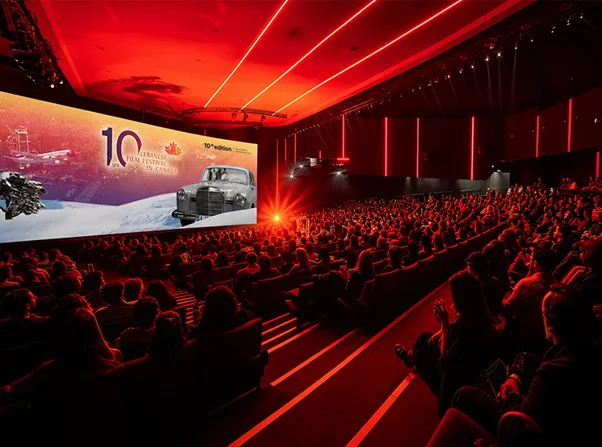
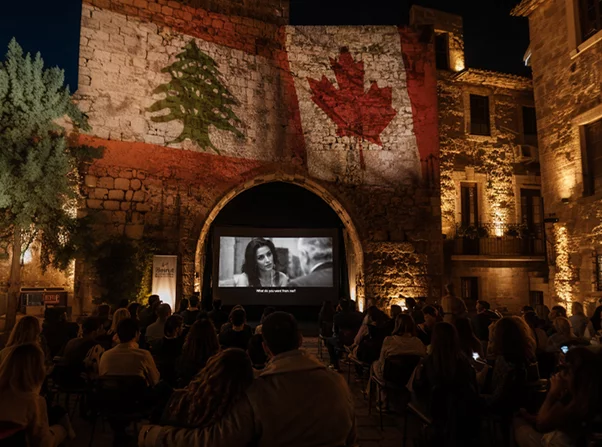
The Lebanese Film Festival in Canada celebrates its 10th anniversary with a milestone edition showcasing Lebanese cinema, culture, and community.
Lebanon spent $17.49 million on psychiatric drugs in 2025, with 2.81 million boxes sold amid deepening war, economic collapse, and a widening mental health crisis.
The Lebanese Canadian Film Festival marks its 10th edition, celebrating a decade of bringing Lebanese cinema and stories to audiences across Canada.
Exclusive interview to The Beiruter with Elissar Naddaf, President and Director-General of Tele Liban, on the Arab world's first television station, its golden age, and the mission to rebuild Lebanon's national screen.
Australia’s National Sorry Day raises questions of memory, accountability, and unresolved trauma that echo deeply within Lebanon’s own unhealed history of war and disappearance.
A look at Lebanon’s golden cinema archive of the 1960s, when Beirut’s film industry and landmark works turned the country into a regional cultural and cinematic hub.
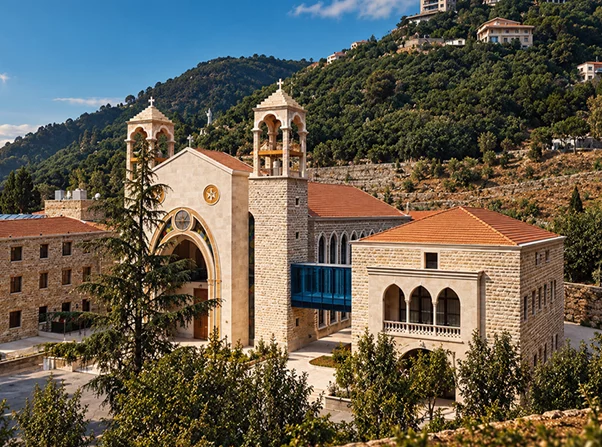
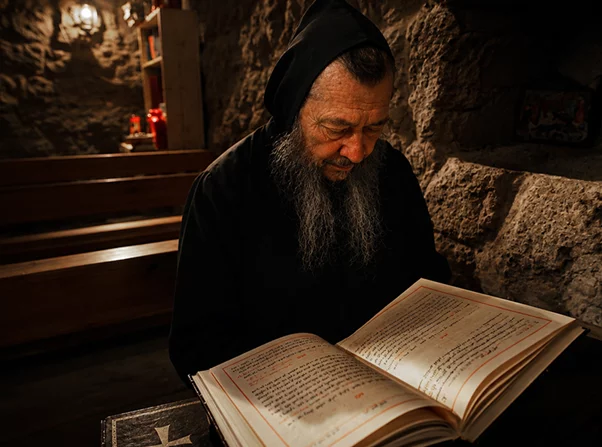
The death of Father Dario Escobar, the Colombian-born Maronite hermit of Qadisha Valley, marks the end of one of Lebanon’s last great monastic lives.
The labeling of Pen League pioneers including Gibran Khalil Gibran as “Syrian poets” on a New York monument has sparked outrage and renewed debates over Lebanese cultural identity and historical memory.
Millions of children across the Arab world’s poorest countries remain excluded not only from education, but from the very systems meant to measure and protect their futures.
Lebanon’s labor market collapse since 2019 has deepened unemployment, informality, youth exclusion, and brain drain across an economy struggling to recover from overlapping crises.
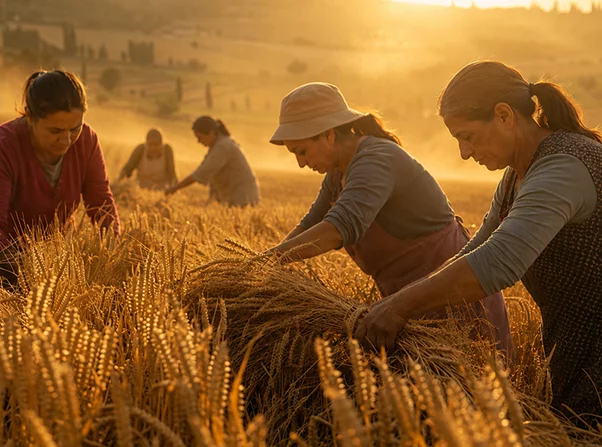
Despite making up nearly half of the agricultural workforce in Lebanon and the MENA region, women farmers continue to face deep inequalities in land ownership, wages, and decision-making power.
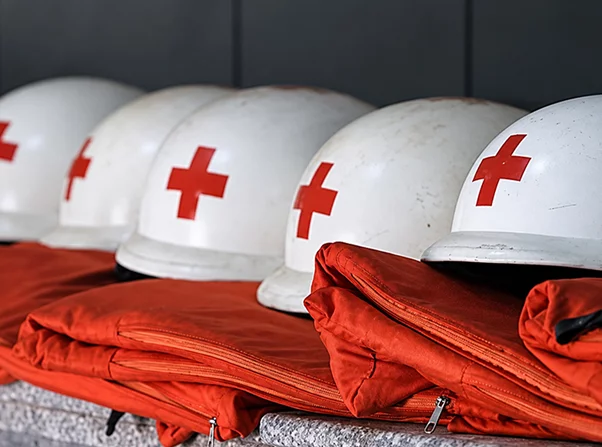
For 80 years, the Lebanese Red Cross has remained one of Lebanon’s few enduring institutions, serving the country through wars, crises, and disasters without discrimination.
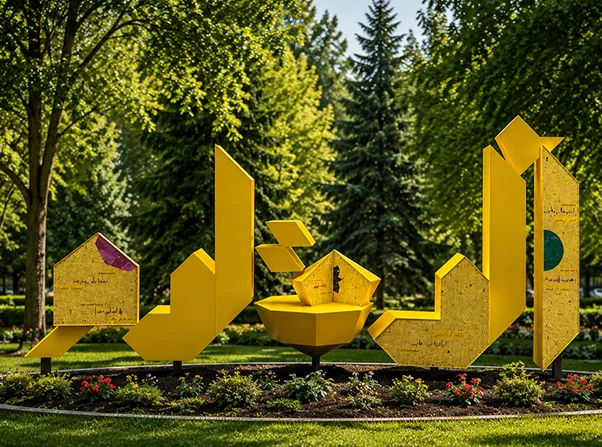
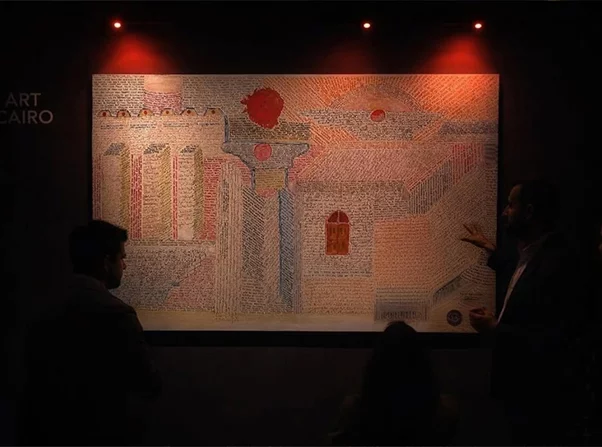
Lebanese artist Fadi Balhawan transforms pain, literature, and sacred texts into layered visual works that merge Arabic calligraphy with contemporary art.
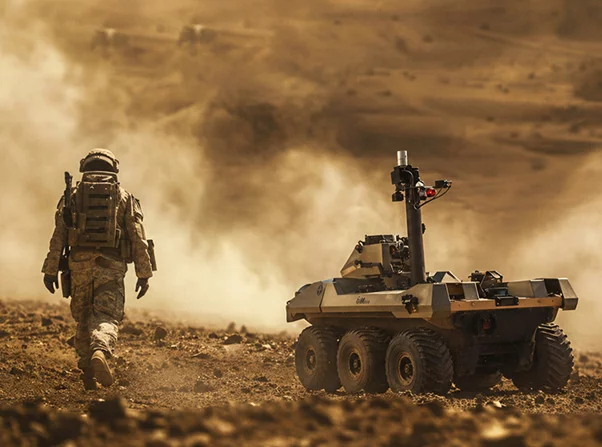
Israel’s wars in Gaza and Lebanon are accelerating a new era of robotic warfare with machines increasingly taking frontline combat roles.
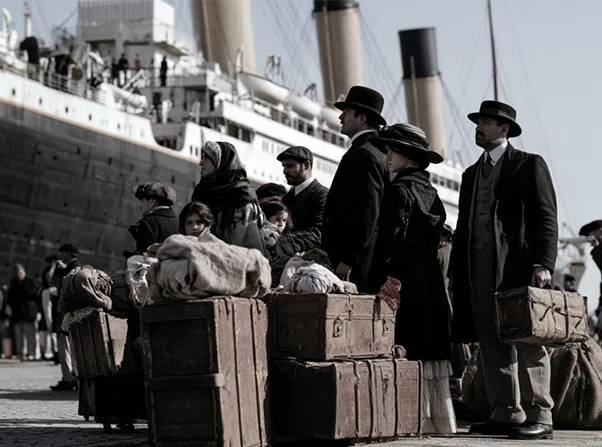
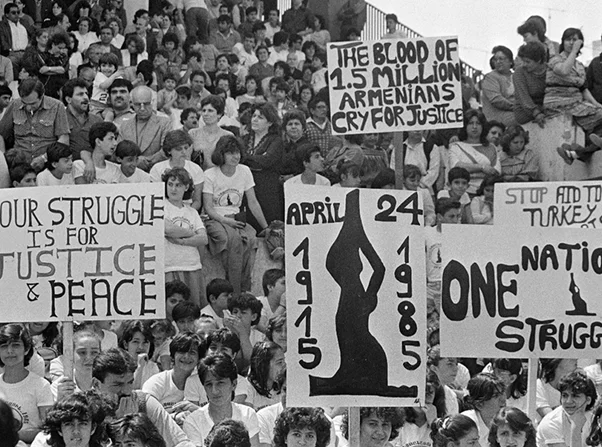
A century after the Armenian Genocide, Lebanon stands as both refuge and testament to a people who rebuilt identity, memory, and influence from displacement.
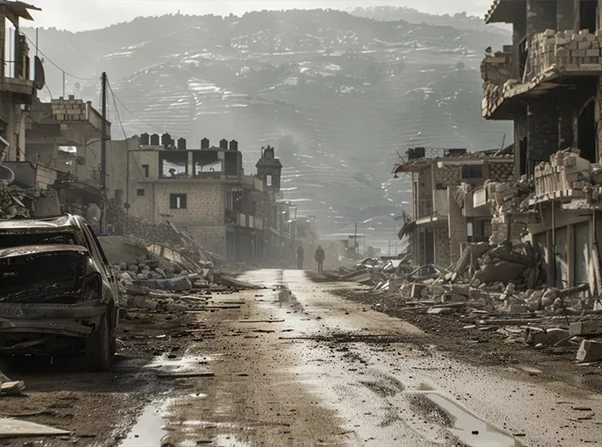
Bint Jbeil stands as a frontline town where history, symbolism, and strategy converge, making it one of the most consequential battlegrounds in the Israel-Lebanon conflict.
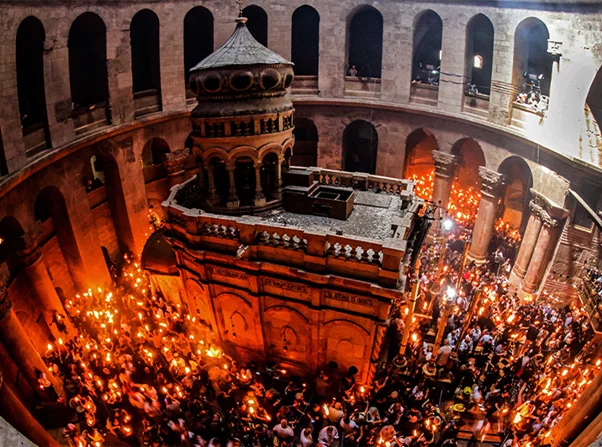
The Church of the Holy Sepulchre remains a sacred site shaped by centuries of conflict, where faith, power, and restricted access continue to collide in 2026.
Amid conflict, Lebanese monasteries are sheltering displaced families, revealing a powerful example of unity and coexistence beyond sectarian lines.
How decades of war, economic collapse, and repeated national crises have shaped the psychological burden carried by Lebanon’s older generation.
Border communities in southern Lebanon face renewed displacement and loss as escalating conflict once again places villages like Rmeish, Ain Ebel, and Marjayoun on the front lines of a war many residents say is not theirs.
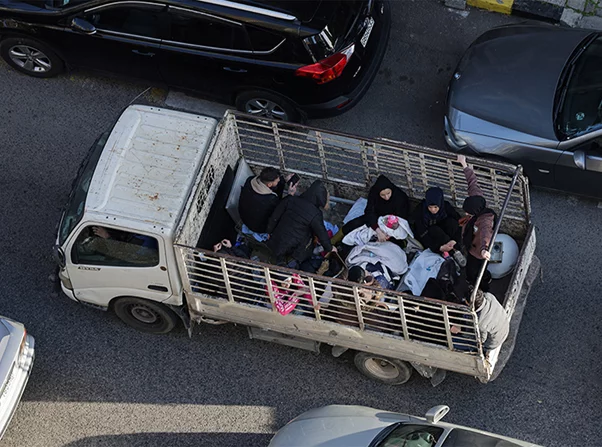
Sudden Israeli evacuation orders forced over 500,000 residents of Beirut’s southern suburbs to flee, creating one of the largest displacements in years.
After decades of war, economic collapse, and political paralysis, Lebanon is confronting a new escalation with a population deeply exhausted by cumulative trauma, chronic instability, and a state unable to offer protection or healing.
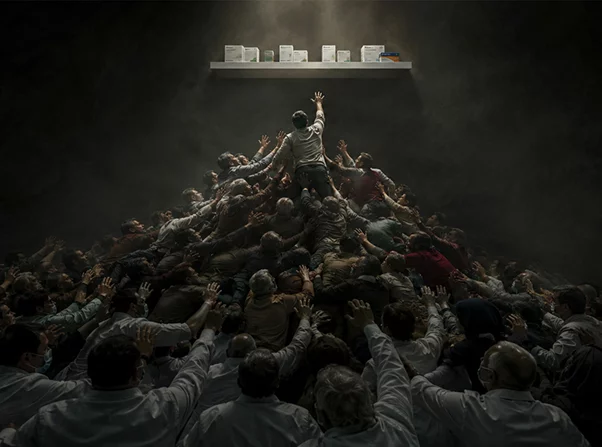
An investigation examines Lebanon’s rising cancer burden and counterfeit drug market, citing The Lancet, and the impact of political interference on patient care in Lebanon.
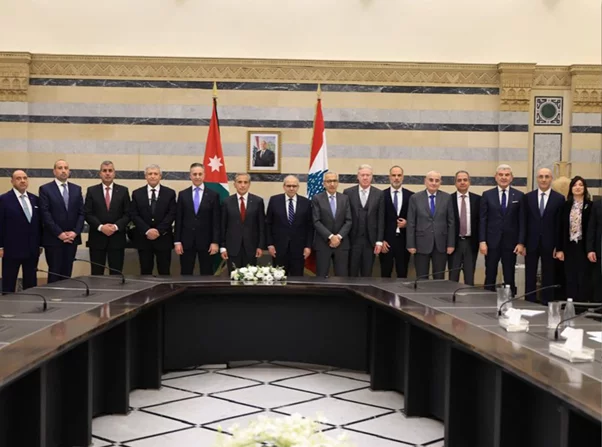
New package of 21 Lebanon–Jordan agreements aims to strengthen trade, digital transformation, governance, and institutional coordination, reflecting a broader push to revive regional partnerships.
Lebanon maintains its malaria-free status through strong surveillance and prevention measures, with experts urging continued vigilance to prevent reintroduction of the disease.
Lebanon tops Arab tourist spending charts, but behind the luxury lies inflation, inequality, and dysfunction
Lebanese filmmaker Christine Tannous wins at Cannes 2025 for Peony, a powerful short film about healing, memory, and resilience.
Mexican muralist Paola Delfín brings Lebanese and Mexican cultures together through a powerful mural in Jounieh, celebrating migration, identity, and 80 years of diplomatic ties between the two nations.
A psychological look at how Lebanese people transform grief into resilience through the quiet power of shared belonging.
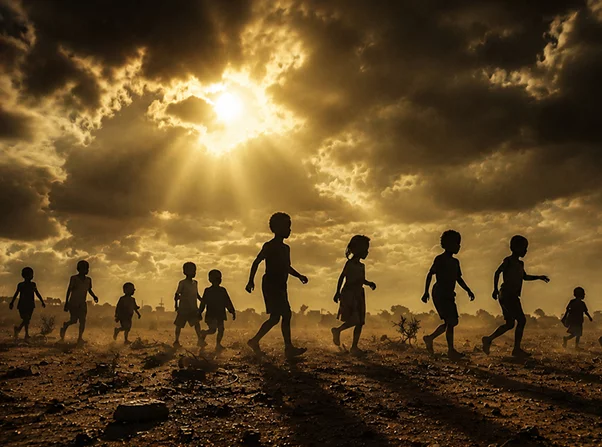
A poignant look at the lasting impact of distant conflicts on a forgotten population, where survival becomes an act of resistance and peace remains a fragile hope.
Vanessa, aka VNSA and Vinyl Vee, is a DJ and designer blending house, techno, and soul into a bold, global creative vision.
Charif Majdalani, French Lebanese novelist, portrays Lebanon’s memory, beauty, and resilience, with his latest novel Le Nom des Rois earning a nomination for the prestigious Prix Goncourt.
Ahead of 2026, Lebanon’s diaspora faces uncertainty over full voting rights, putting their political influence at stake.
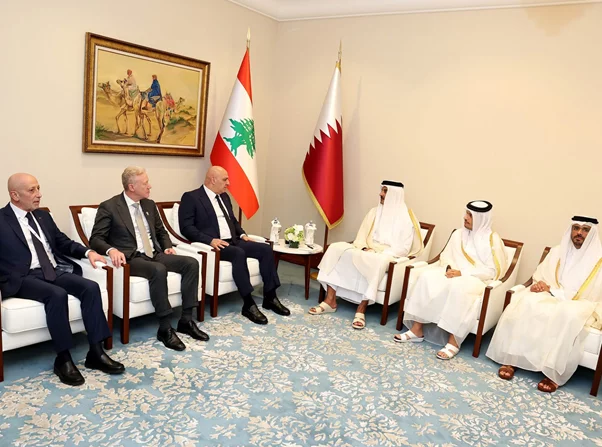
Lebanon returns to the Arab stage after five years, asserting its voice and sovereignty at the Doha emergency summit.
On average, every 2.1 days, Lebanon loses a life to suicide. That is 160 people every year. Today, on World Suicide Prevention Day, Lebanon confronts the weight of this reality.
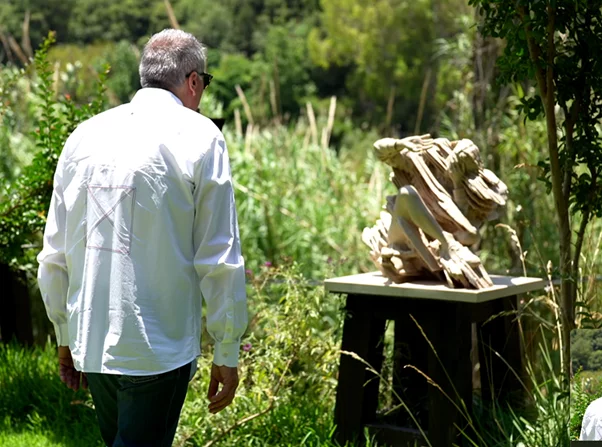
World-renowned artist Rudy Rahme talks about creation, the spirit of the country and putting together an art collection that tells the story of Lebanon.