



Lebanon is increasing coastal patrols and enforcing a new fishing law to combat dynamite fishing and protect marine life, fish stocks and licensed fishermen.
Inside Lebanon’s fight against dynamite fishing
Inside Lebanon’s fight against dynamite fishing
By Natalie Durham | August 28, 2026

Reading time: 5 min
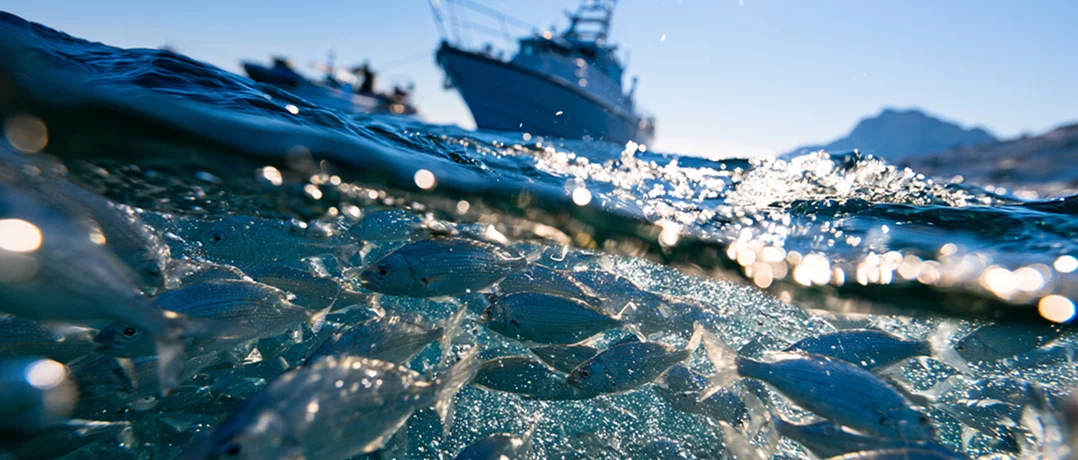
Lebanon is stepping up efforts against dynamite fishing, an illegal practice that continues along parts of the country’s coast and damages marine life. Recent reports of the use of explosives at sea have led to increased patrols, as the Ministry of Agriculture begins applying a newly adopted law regulating fishing and aquaculture. Cases have been reported in northern Lebanon, while evidence linked to the practice has also been documented around Beirut and Mount Lebanon. Most recently, authorities carried out a patrol along the coast of Adloun and inspected fish markets in Adloun and Sarafand.
How does dynamite fishing work?
Instead of catching fish individually with nets or fishing lines, some people use explosives in the water to kill or stun many fish at once before collecting them. In June, cases were reported along the coast, from Tripoli to Abdeh and Arida in the north, as well as in Khaldeh, Damour, Jnah and Ouzai. The investigation described artificial underwater structures known locally as “hattat,” which attract groups of fish and can then become locations targeted by explosive fishing.
The explosion affects much more than the fish being targeted. Environmental expert Naji Kodeih told Nidaa al-Watan that dynamite can kill eggs, larvae, young fish, plankton and other organisms in the affected area. The investigation also noted that dynamite is not the only factor affecting some local species. Overfishing, dredging, sediment reaching the sea from construction and bottom-trawling nets are also putting pressure on marine habitats and fish stocks.
Authorities are now increasing patrols
The issue returned to attention in August. According to a statement by the Ministry of Agriculture made on August 1st, a joint patrol was carried out by the ministry's Sidon Forest and Hunting Center and the South Coast Detachment following information about dynamite fishing off Adloun. The patrol inspected the coast and fish markets in Adloun and Sarafand as part of efforts to identify those involved.
According to the same Ministry of Agriculture statement, preliminary information suggested that the suspected individuals were not fishermen registered with the ministry and did not have licensed fishing boats or official records there. This has made identifying them more difficult. The ministry and the South Coast Detachment therefore agreed to increase joint patrols weekly and whenever necessary, particularly during the morning, while continuing investigations to identify those responsible and refer them for legal action.
The ministry said the operations are part of its national plan to protect fish stocks and combat illegal fishing, particularly the use of explosives. It described the practice as a threat not only to the marine environment but also to the economic sustainability of fishing and to licensed fishermen who follow the rules.
Lebanon now has a new fishing law
The crackdown comes as Lebanon begins implementing a new law governing fishing. The previous legal framework dated back to 1929 and had long been considered outdated. The new legislation prohibits fishing with explosives, poisons and narcotic substances, strengthens penalties for violations and introduces rules covering fishing areas, equipment and aquaculture.
In a July 17 statement, the Ministry of Agriculture said the new law introduces a modern framework for managing fish stocks, developing aquaculture and protecting small-scale fishermen. The ministry said the law is intended to protect marine resources, increase local fish production and support what it calls a sustainable “blue economy.”
Enforcement, however, will require more than the Ministry of Agriculture alone. Shadi Mehanna, director of Rural Development and Natural Resources at the ministry, said that around 90 new guards had been added to help detect violations. He said cooperation with security forces remains particularly important when violations involve explosives or other illegal fishing methods.
The law has also raised questions among fishermen about how the new rules will affect their work. In a separate Ministry of Agriculture statement made on August 7, the ministry said the legislation had been developed over 12 years in consultation with fishermen and with the support of the UN Food and Agriculture Organization and the General Fisheries Commission for the Mediterranean. It also clarified that Lebanese fishermen can operate throughout Lebanon's territorial waters, extending to 12 nautical miles, compared with six miles under the old law.
For now, the immediate focus is enforcement. The new law provides the legal framework, while the Agriculture Ministry and security forces are increasing patrols to identify those still using explosives. The next step will be applying those rules consistently along Lebanon's coast and stopping dynamite fishing before it causes further damage to the country's already limited fish stocks.
-
-

-
Natalie DurhamResearcher/Writer
Junior research writer focusing on politics, public policy and international affairs.
-
