Junior research writer focusing on politics, public policy and international affairs.
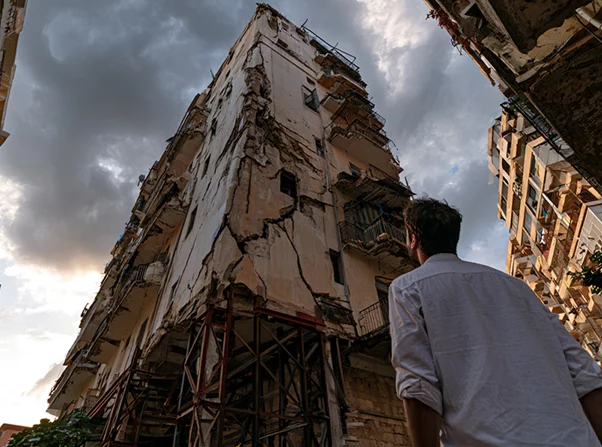
Hundreds of buildings in Tripoli remain at risk of collapse despite years of warnings. Political divisions, lack of funding, and limited coordination between authorities have delayed solutions, while many families remain in unsafe homes with no affordable alternatives.
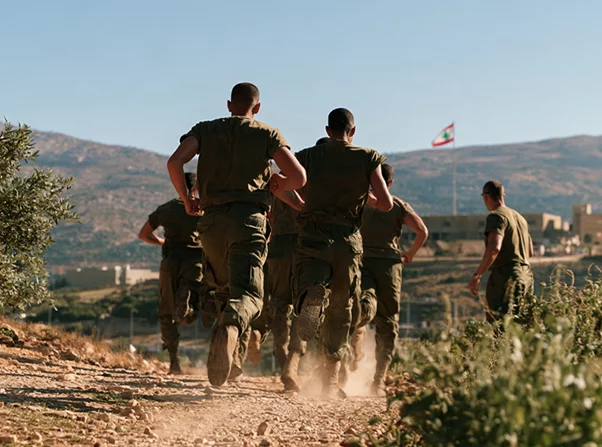
Lebanon’s conscription debate returns, raising questions about national unity, military strength, and whether mandatory service can help rebuild state institutions.
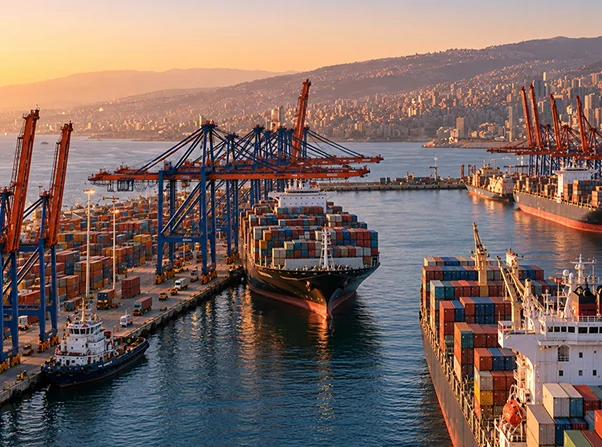
Lebanon’s IMEC ambitions hinge on infrastructure, governance, regional stability, and strategic decisions despite joining the corridor’s Ports Club.
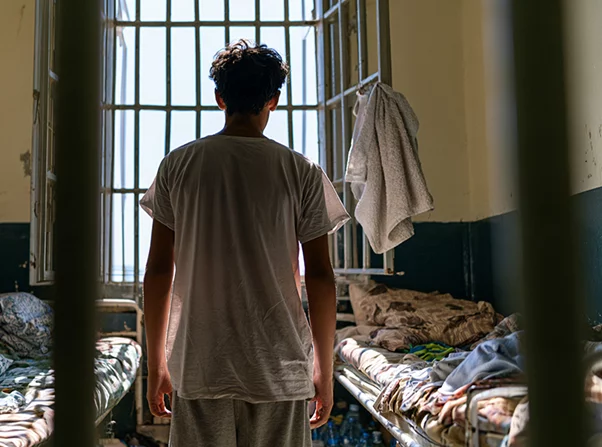
Lebanon’s Warwar juvenile center is under scrutiny after an inspection found problems with healthcare, hygiene, staffing and rehabilitation, raising questions over who is responsible for conditions inside the facility.
From rights on paper to the workplace, women in Lebanon continue to face legal, institutional and care-related barriers that limit how far equality translates into employment and leadership.
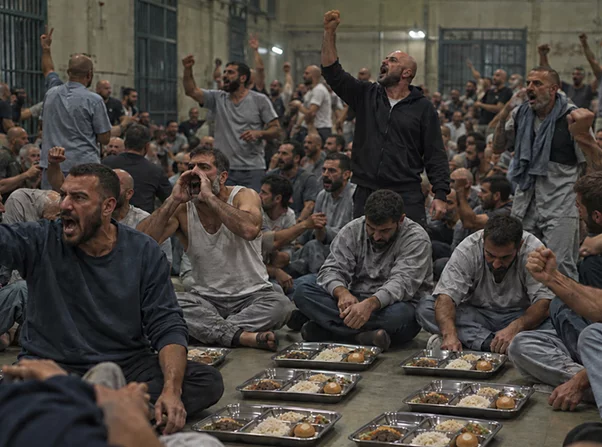
Behind Roumieh’s walls, a growing crisis is unfolding as hundreds of prisoners refuse food and medication in protest over Lebanon’s suspended general amnesty law.
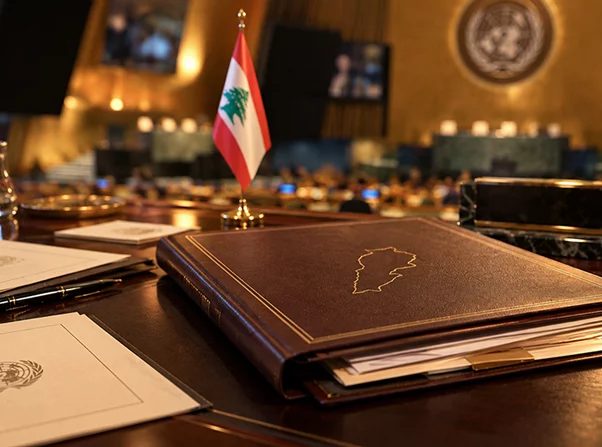
As world leaders gather in New York for UNGA 81, Prime Minister Nawaf Salam and Foreign Minister Youssef Rajji will represent Lebanon as the country raises the future of UNIFIL, Resolution 1701, support for the Lebanese Army and reconstruction in the South.
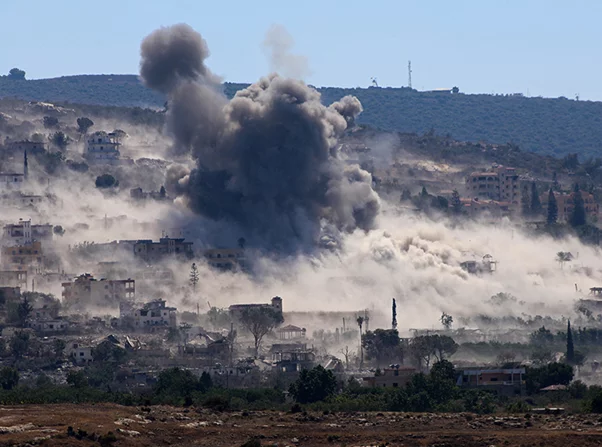
As Israeli attacks continue in southern Lebanon, a wave of official visits is highlighting efforts to strengthen state presence, restore services and support residents’ return.
Lebanon has resumed recruiting trainee judges after an eight-year freeze, but court shortages, heavy backlogs and a three-year training period raise questions about whether 45 new judges will be enough.
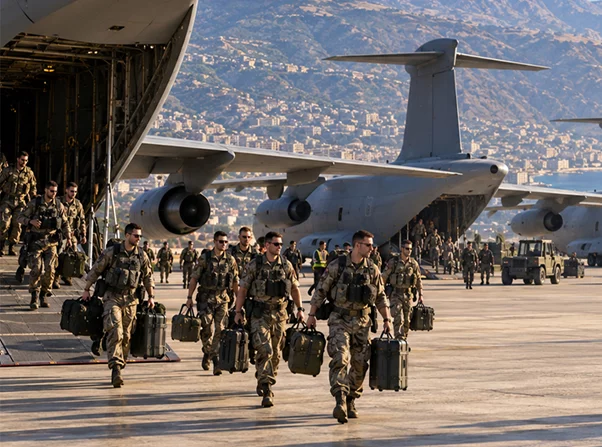
As UNIFIL prepares to withdraw, European countries are weighing new missions to train the Lebanese Army and maintain an international security presence in southern Lebanon, raising key questions over what will come next.
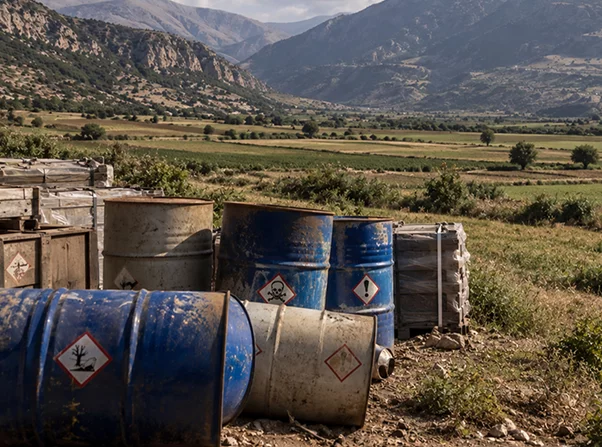
Expired chemicals meant to be exported for specialized treatment were instead moved to Zahle and Marj Bisri, raising questions over responsibility and their disposal.
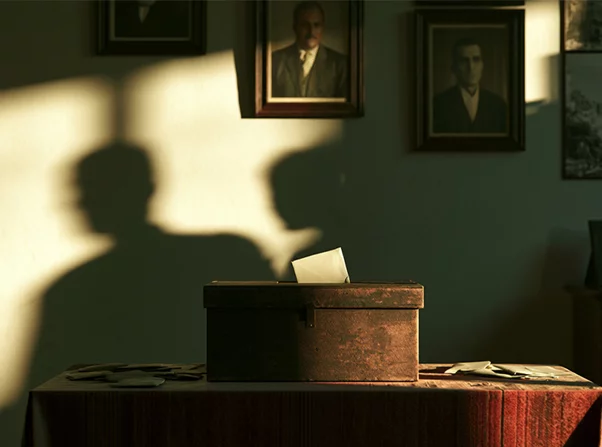
The Beirut Families Union election drew political attention after a contest between two recognizable sides, raising questions over what the result really says about Beirut’s political balance and the Union’s role.
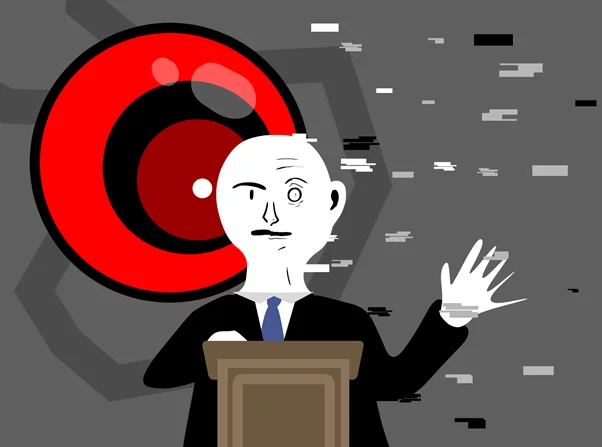
AI deepfakes, algorithmic feeds and repeated unverified claims are making political misinformation in Lebanon faster, more convincing and harder to contain.
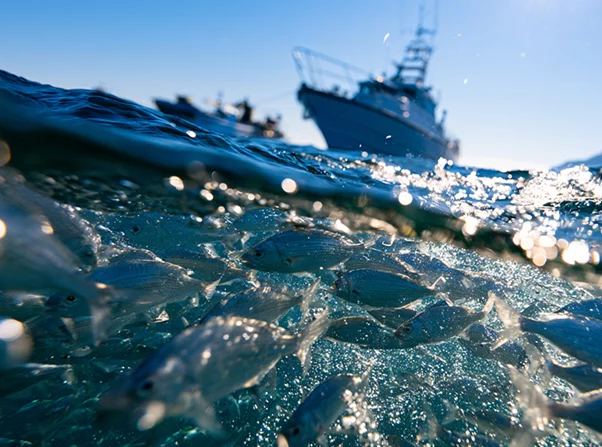
Lebanon is increasing coastal patrols and enforcing a new fishing law to combat dynamite fishing and protect marine life, fish stocks and licensed fishermen.
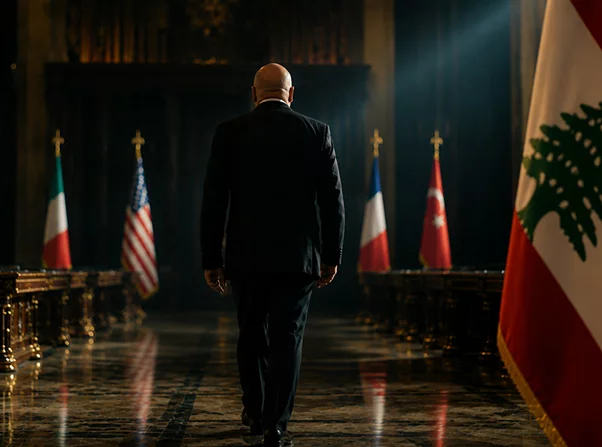
President Joseph Aoun’s diplomatic push across Washington, Ankara, Rome and the Vatican highlights Lebanon’s efforts to secure international support for Israeli withdrawal, the Lebanese Army, reconstruction and the country’s post-UNIFIL security framework.
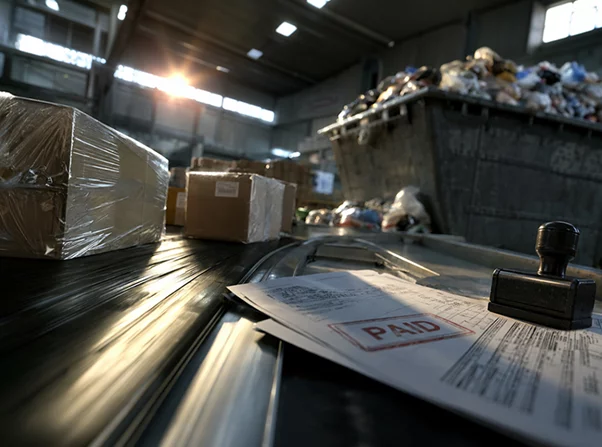
Lebanon’s revised waste fee cuts the number of taxed imports after strong opposition, as the government looks for a new way to finance a costly waste system without putting too much pressure on consumers and businesses.
Lebanon’s proposed general amnesty law reignites debate over prison overcrowding, prolonged detention, sectarian bargaining and whether reform can deliver justice without erasing accountability.
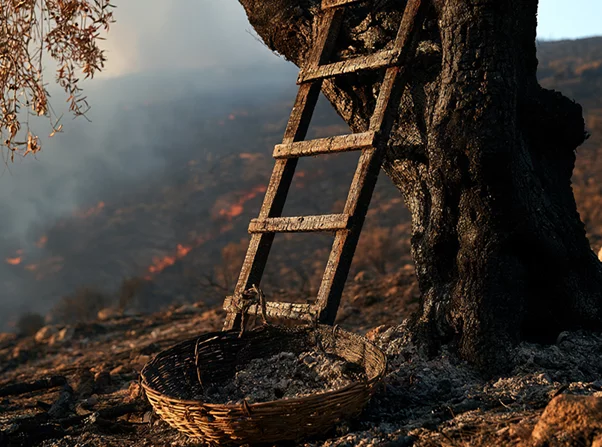
The war in southern Lebanon devastated thousands of olive groves, destroying century-old trees, disrupting harvests and inflicting long-term damage on one of the country's most important agricultural sectors.
From unaffordable housing and youth unemployment to endless internships and financial uncertainty, Lebanon's younger generation is redefining adulthood as they navigate a future marked more by waiting than stability.