



Lebanon has formed a committee to protect and promote traditional food products while boosting their value in local and global markets.
Lebanon forms committee to protect and promote traditional foods
Lebanon forms committee to protect and promote traditional foods
By The Beiruter | March 01, 2026

Reading time: 3 min
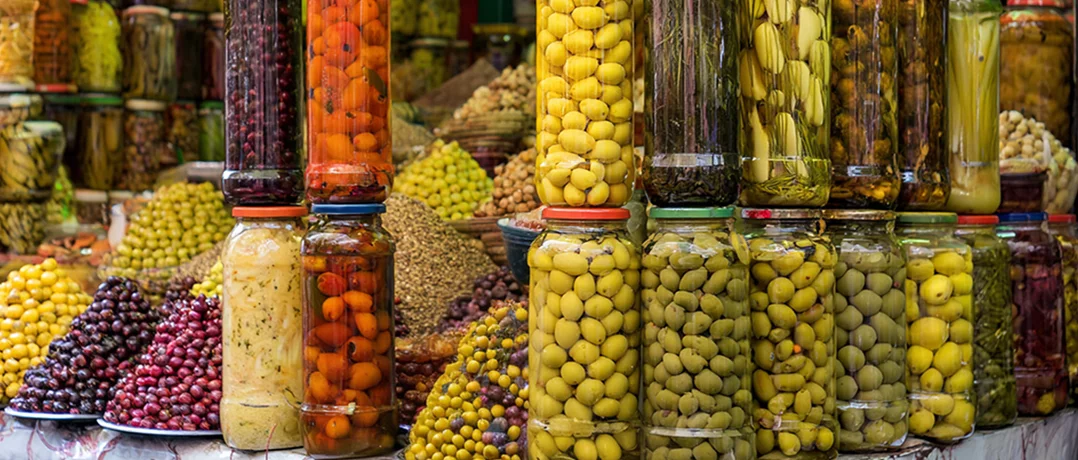
Lebanon is taking a significant step to safeguard its culinary heritage. In a move aimed at enhancing the added value of national production, Minister of Agriculture Dr. Nizar Hani has issued a decision to form a sectoral committee responsible for organizing and overseeing the traditional Lebanese food products sector.
The initiative reflects a broader ministerial vision to ensure that Lebanon’s culinary identity is preserved and strengthened in both domestic and international markets. Traditional Lebanese foods, from olive oils and cheeses to sweets and preserved goods, have long been recognized as integral to the country’s culture and economy. Minister Hani highlighted that the committee seeks to “boost the competitiveness of traditional products while safeguarding the authentic flavors and methods that define Lebanon’s gastronomic heritage.”
Mandate and objectives
The committee has been tasked with several critical objectives. It will propose the necessary legislation and regulatory frameworks to protect and standardize traditional products, develop a mechanism to survey and classify these products, and identify geographical indications and appellations of origin to strengthen product identity. The committee will also establish a national database of local goods to monitor production, quality, and distribution, prepare a support plan for traditional agro-industries, and reinforce the resilience of rural communities that depend on these sectors. Through these measures, the Ministry aims to enhance the competitiveness of traditional foods while supporting local producers and rural economies.
Strategic vision
The Ministry of Agriculture framed the initiative as part of a strategic plan to safeguard Lebanon’s food identity. By organizing and regulating the sector, authorities hope not only to preserve culinary heritage but also to boost the added value of Lebanese products in international markets. “Lebanon’s traditional foods are a cultural asset, but they are also an economic opportunity,” said Minister Hani. “With structured support, proper regulation, and attention to quality, we can ensure that our products stand out globally while sustaining local communities.”
The committee’s creation marks a key step in a wider effort to modernize Lebanon’s agro-food sector without sacrificing authenticity, blending cultural preservation with economic development. Lebanon’s move comes at a time when countries around the world are increasingly recognizing the importance of protecting traditional food products, both as part of cultural heritage and as a driver of rural economic resilience. By taking a structured, participatory approach, the Ministry of Agriculture hopes to position Lebanese culinary products for long-term growth and recognition on the global stage.
In conclusion, the establishment of the committee marks a formal step toward structuring and regulating Lebanon’s traditional food sector. If implemented effectively, the initiative could enhance competitiveness, reinforce quality standards and provide greater support to rural producers. In a challenging economic climate, it signals a policy effort to integrate cultural preservation into broader development planning, positioning traditional foods as both a heritage asset and a component of sustainable agro-industrial growth.
-
-

-
The Beiruter
-
