



Lebanon’s rise in pet-friendly spaces reveals a cultural shift toward compassion, community, and a deeper bond between people and their animals.
Lebanon makes room for pets

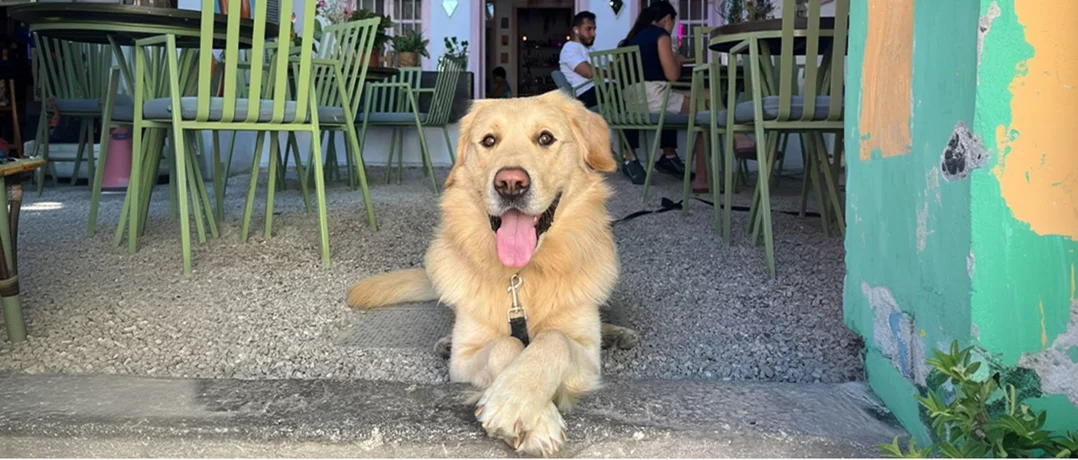
In the heart of Beirut, amid the city’s noise and uncertainty, a subtle revolution is unfolding. In cafés and restaurants where the usual rhythm is morning coffee and casual chatter, animal paws and wagging tails are accompanied. These are spaces designed for humans and their companions alike, where the presence of animals is not incidental but central, and where compassion is served alongside cuisine.
Lebanon now hosts its first fully dog-dedicated restaurant, a space where every dish is crafted with canine nutrition in mind. But this is no mere novelty. Every meal contributes to the welfare of homeless dogs, highlighting a growing consciousness of animal rights and social responsibility. The restaurant’s existence reflects more than a culinary curiosity; it embodies a broader societal shift where pets are no longer just domestic fixtures but acknowledged family members, emotional anchors in an environment that often feels unstable.
A Regional Shift
Beyond this singular venture, Beirut has seen the rise of numerous pet-friendly cafés. Cats curl lazily on laps while coffee cups are filled; dogs lie quietly by tables, offering comfort in ways words cannot. These spaces, quietly proliferating across the city, reveal a changing mindset in Lebanon and the wider Arab world. Where pets were once kept strictly at home and often judged through utilitarian or traditional lenses, they are now embraced in public life. Urbanization, exposure to global norms, and the psychological need for companionship have converged, fostering an environment where empathy toward animals is normalized and celebrated.
The significance of these cafés extends beyond their walls. They are markers of a cultural shift toward gentleness, emotional care, and moral responsibility in a society often defined by hardship. In a region where resilience is traditionally equated with toughness, these spaces offer a different definition: one rooted in coexistence, kindness, and the recognition of the voiceless.
Expert Perspective
Ghina Nahfawi, an animal rights activist, emphasizes that initiatives like these reflect a deeper societal value. “The most important thing is to strengthen the awareness of the culture of animal friendliness,” she explains. Any violence against them makes us a society that is more inclined to violence. If we show mercy and friendliness to animals and weak creatures, we are showing tolerance and friendliness between us as humans.”
Nahfawi also highlights the communal impact of pet-friendly spaces. “People who have this interest become a group together in a place where they do not feel alienated from each other,” she explains. “They feel like each other. They have the same thinking. They have the same love and mercy towards animals.” For her, these venues cultivate shared empathy, helping create micro-communities centered on compassion and care.
She stresses that caring for animals teaches responsibility from a young age. “When you bring a pet to a child, he becomes capable. He is strengthening his spirit of responsibility, his mind, his ability to care for others. All this is strengthened later when he grows up and becomes as useful as he is in society.” Nahfawi frames this as part of a broader cultural evolution, where respect for animals reflects and reinforces humanity in society.
“The goal is not to harm the animals,” she adds. “Awareness and strengthening the culture of animal friendliness is the standard to live in this society.” For Nahfawi, the rise of pet-focused establishments is a step toward a more empathetic, responsible, and humane society.
The simple act of sharing space with a dog or a cat becomes a meditation on compassion, reminder that nurturing life, no matter its shape or size, is a radical act in times of turbulence. For Lebanon, a country accustomed to crises, this rise in animal-centered spaces reflects a society gradually learning that care, empathy, and responsibility can coexist with resilience. Because sometimes, all a fractured society needs is a quiet moment with a dog resting by its side.
-
-

-
The Beiruter
-
