

Lebanon's Ministry of Information presents a draft law aimed at recognizing content creation as a profession, offering new opportunities for influencers and establishing clear standards for digital activities.
Lebanon moves to regulate digital content creators
Lebanon moves to regulate digital content creators
By Natalie Durham | November 25, 2026

Reading time : 6 min
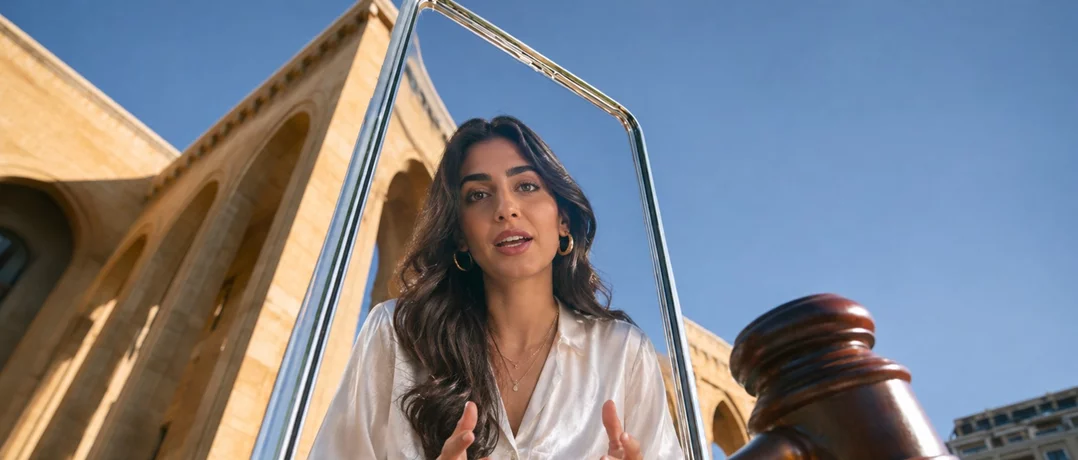
From promoting hidden destinations across Lebanon to reviewing restaurants, collaborating with local businesses and creating educational content, Lebanese influencers have built an industry of their own. What once began as a personal activity on social media has become a source of income, employment and economic activity.
On November 25, Minister of Information Paul Morcos presented the elements of a draft law regulating the professional and commercial digital activities of content creators, influencers and bloggers in Lebanon.
The initiative aims to recognize content creation as a profession, offer creators new opportunities, protect their rights and promote transparency in their relationships with businesses and audiences.
As Morcos said: “The sector has an impact on the economy, not just on public opinion. It is time for the state to pay attention to this emerging sector, which is no longer simply a positive phenomenon but has become a professional sector in its own right” .
Content creation becomes a profession
Having thousands of followers on Instagram or millions of views on TikTok does not automatically make someone subject to the proposed law.
The draft distinguishes between personal and professional use of digital platforms. Individuals who share their daily lives, express opinions, publish comments or document personal experiences would not be required to register solely for doing so.
Instead, the law would cover content creators whose activities generate direct or indirect revenue, including advertising, sponsorships, commissions, subscriptions and compensation in the form of gifts or services. This applies even when content creation is not their primary source of income.
Those covered by the law would submit a registration declaration, known as “علم وخبر”, to the National Media Authority.
The process would involve providing identification details, contact information, place of residence and the nature of their professional activities, alongside the links, permanent account IDs and usernames of their accounts.
Foreign influencers visiting Lebanon would also be allowed to produce and publish digital content, provided they hold recognized registration or accreditation abroad and pay a fee determined by the authority.
What is in it for influencers?
For Lebanese content creators, professional registration would come with a range of benefits and opportunities.
The draft introduces a free, publicly accessible electronic professional register divided into four categories. The first covers specialized and educational content, including health, science, education, economics and technology. The second focuses on entertainment and creative content, such as cooking, lifestyle, fashion, beauty and sports. The third category covers tourism, cultural and social content, including Lebanese heritage, travel, local industries and the environment. The fourth encompasses commercial and promotional content, such as advertising, marketing and the promotion of products and services.
Registered influencers would receive an electronically verifiable professional accreditation card, giving them formal recognition of their professional activity.
They would also receive priority in public campaigns related to tourism, culture, health, media and the environment, alongside access to training in professional ethics, fact-checking and intellectual property.
A public electronic directory would allow businesses and advertising agencies to discover Lebanese creators according to their specialization, region, language and type of content.
The proposed framework would also offer professional mediation services for influencers facing unpaid fees, breaches of sponsorship agreements or unauthorized use of their content.
Another initiative introduced in the draft is an annual program called “Digital Ambassadors for Lebanon,” which would involve registered creators in promoting Lebanon's tourism, culture, heritage, economy and environment.
For paid partnerships, brands and advertising agencies would be required to verify a creator's professional registration before signing a contract. Professional registration would therefore become a requirement for commercial advertising activities covered by the law.
“We are doing this in the public interest and in the interest of your sector,” Morcos told the influencers attending the conference.
Transparency in the digital world
A gifted skincare product, a complimentary restaurant experience or a commission earned through a discount code are familiar features of Lebanon's influencer industry.
Under the proposed law, whenever these benefits are provided in exchange for promotional content, creators would be required to disclose the commercial nature of the publication. Audiences should be able to distinguish between a personal recommendation and an advertisement.
The draft also prohibits purchasing followers, likes or views to mislead advertisers, helping ensure that commercial partnerships are based on genuine audience engagement.
The draft law also covers the use of artificial intelligence.
Creators would be required to disclose content generated or substantially modified using AI whenever it could mislead audiences about a person, event, product or source.
Deepfakes showing real individuals saying or doing things they never said or did would be prohibited, as would the unauthorized artificial use of someone's face or voice for commercial endorsements.
The draft also distinguishes between educational content and professional consultations. Influencers could continue publishing general awareness content about health, law and other regulated professions. However, specialized individual consultations would require the appropriate legal qualifications and licenses.
Protecting creators, audiences and the next generation
The draft law also addresses privacy, intellectual property, false information and hate speech while protecting freedom of expression.
Harsh criticism, satire and even shocking or offensive expressions would not, in themselves, constitute hate speech. The context, intention, influence of the speaker, extent of circulation and potential harm would all be taken into consideration.
Similarly, information would qualify as false news only when three conditions are met: the publisher knows it is false, presents it as fact and causes serious and specific harm.
The draft also introduces specific protections for children appearing in commercial or professional content. Written parental consent would be required, filming hours would be regulated according to age, and children's education, rest and privacy would have to be respected.
Upon turning 18, individuals would have the right to request the removal of content published during their childhood if it affects their privacy or dignity.
The National Media Authority would oversee registration and transparency standards but would not have the power to impose prior censorship, require approval before publication or remove content because of political opinions.
Professional registration would not automatically grant influencers the status of media professionals, who would remain subject to Lebanon's Media Law.
The draft is still open for discussion. The ministry plans to publish it on its website so that content creators and industry professionals can share their feedback and suggestions.
“I am proposing the elements of a draft, which we will then publish on the Ministry of Information's website so that you have sufficient time to submit suggestions that reflect your needs and professional standards,” Morcos explained.
-
-

-
Natalie DurhamResearcher/Writer
Junior research writer focusing on politics, public policy and international affairs.
-
