



A medicine warehouse raid in Galerie Semaan has raised concerns about drug safety and pharmaceutical oversight in Lebanon, as lawyer Majd Harb questions former health ministers' involvement in approving medicines, while Firas Abiad explains the registration procedures followed during his tenure.
Lebanon's medicine warehouse raid raises questions over drug safety
Lebanon's medicine warehouse raid raises questions over drug safety
By Natalie Durham | October 20, 2026

Reading time : 5 min
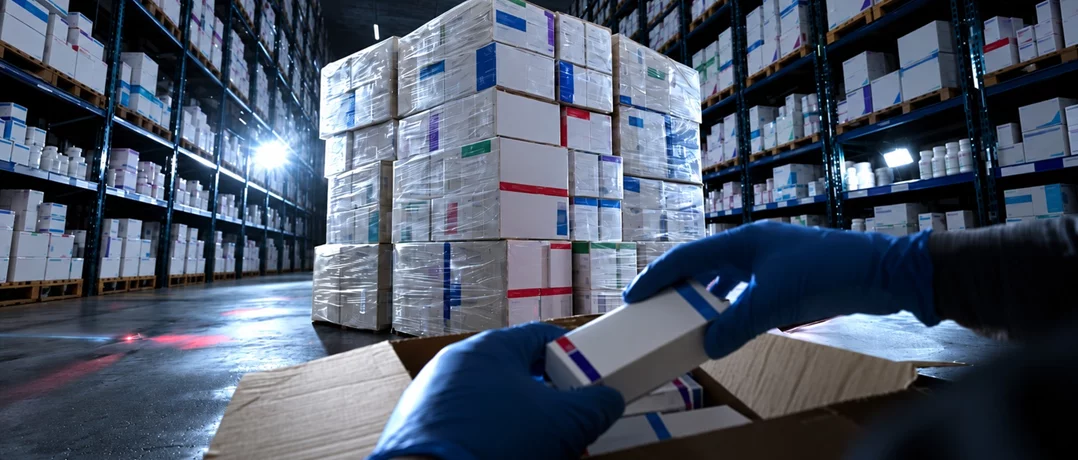
The seizure of medicines from a warehouse in Galerie Semaan on October 16, 2026, has raised concerns about the safety of pharmaceutical products circulating in Lebanon. The raid followed an investigation by the Ministry of Public Health, which found that the seized medicines had already been removed from the list of products authorized for use and distribution in the country.
The incident has also raised broader questions about how medicines are approved and monitored in Lebanon. Health Minister Rakan Nassereddine has announced plans to review all biosimilar medicines currently available in the market, while lawyer Majd Harb told The Beiruter that former Health Ministers Jamil Jabak and Hamad Hassan were aware of irregularities involving these medicines and facilitated their entry into the Lebanese market by pushing for faster approval. Meanwhile, former Health Minister Firas Abiad told The Beiruter that during his tenure, only a limited number of biosimilar medicines were registered, in accordance with Lebanese regulations, after undergoing laboratory testing in Switzerland and meeting the required standards.
What happened at Galerie Semaan?
On October 16, a patrol from the Central Criminal Investigation Department of the Internal Security Forces raided a pharmaceutical warehouse in the Zoghloul building in Galerie Semaan, near Beirut's southern suburbs. The operation was carried out under judicial instructions from Public Prosecutor Ahmad Rami Hajj, following a referral from the Health Ministry.
According to the Internal Security Forces, the patrol, initially made up of 15 security personnel, faced an attempt to obstruct its work when individuals on motorcycles gathered outside the warehouse and attempted to interfere with the operation. As the crowd grew, the officer leading the operation contacted the public prosecutor, who instructed him to request reinforcements from the Lebanese Army and the Internal Security Forces. The Lebanese Army subsequently intervened, allowing the patrol to complete the seizure and seal the warehouse with red wax.
Armed Hezbollah supporters surrounded the patrol. Hezbollah subsequently denied any connection to the warehouse or its contents, saying the confrontation occurred because the security operation had not followed what it described as an agreed coordination procedure with security authorities.
On October 17, the public prosecutor had issued judicial instructions to the Lebanese Army’s Intelligence Directorate, the gendarmerie and the judicial police to identify those who obstructed the operation and pursue the necessary legal measures. Hezbollah MP Ibrahim Moussaoui disputed reports that judicial orders had been issued against party members.
Why were the medicines seized?
In an official statement, Health Minister Rakan Nassereddine explained that the judicial action followed an internal ministry investigation. He said a ministerial decision had already removed the seized medicines from circulation because they did not meet the requirements for use and distribution in Lebanon.
The medicines included two Indian-made treatments for rheumatic diseases, Estukerel and Inflixirel, imported by Levant Pulse, a Beirut-based pharmaceutical company specializing in the importation and distribution of cancer treatments and other specialized medicines. Headquartered in Beirut's Central District, the company had previously obtained authorization to bring both products into Lebanon.
However, questions remain about other medicines associated with the same company. The seizure of two medicines did not resolve the wider case involving 115,500 pharmaceutical units linked to Levant Pulse, raising questions about why the remaining medicines had not been referred by the Health Minister for further investigation.
The incident also brought attention to biosimilar medicines, which are biological treatments developed to be highly similar to already approved medicines. Some are used to treat cancer and chronic inflammatory diseases.
Following the incident, Nassereddine announced plans to reassess all biosimilar medicines currently available in Lebanon. The review will examine their registration files and verify whether they meet the required safety and quality standards under updated World Health Organization guidelines.
Who is responsible for medicine safety?
Speaking to The Beiruter, lawyer Majd Harb alleged that two former health ministers were involved in approving the medicines and had defended them despite concerns about their compliance with health requirements.
Jamil Jabak and Hamad Hassan knew about the irregularities involving these medicines and helped bring them into the Lebanese market. They even pushed the committee to speed up the approval process
Harb called for accountability for officials responsible for allowing medicines that did not meet health requirements to reach patients and announced that he intended to submit a formal complaint to the Public Prosecutor at the Court of Cassation.
During a previous press conference, Harb raised concerns about the influence of political and financial interests in Lebanon’s pharmaceutical sector. He alleged that medicines had been administered to children, elderly people and cancer patients without undergoing the necessary testing.
The Lebanese lawyer also stated that approximately 500,000 boxes of medicines that reportedly failed to meet health requirements had been distributed to patients across Lebanon. He questioned the responsibility of former Health Ministers who had allowed such products to enter the market.
Speaking to the Beiruter, former Health Minister Firas Abiad said “only a limited number of biosimilar medicines were registered during his tenure, following the ministry's established procedures.
During my tenure, the Ministry’s Department of Pharmacy registered a very limited number of biosimilars in accordance with Lebanese laws and the Ministry’s established policies and procedures. These products came from western recognized manufacturers and underwent testing at an internationally recognized laboratory in Switzerland, with results meeting the requirements for registration
He also highlighted the financial benefits of introducing these medicines, explaining that increased competition helped reduce the cost of treatments. "Their introduction increased competition, enabling the Ministry to purchase originator medicines at substantially lower prices and improve access to treatment," he added.
Meanwhile, Nassereddine maintained that the ministry's approach was based on scientific and legal considerations rather than political interests. He also confirmed continued coordination with judicial and security authorities.
-
-

-
Natalie DurhamResearcher/Writer
Junior research writer focusing on politics, public policy and international affairs.
-
