



Qatar is intensifying diplomatic efforts to prevent renewed US-Iran conflict, as Gulf states face mounting security and economic risks.
Qatar steps up mediation as renewed US-Iran confrontation looms
Qatar steps up mediation as renewed US-Iran confrontation looms
By Michael Al Andary | November 02, 2026

Reading time: 5 min
Qatar has increased its diplomatic efforts to prevent a renewed clash between the United States and Iran, hosting three consecutive days of talks with Iranian negotiators in Doha last week.
The discussions followed earlier consultations in Iran and are being coordinated through regular contacts with Washington, as regional countries seek to prevent tensions from escalating into another war.
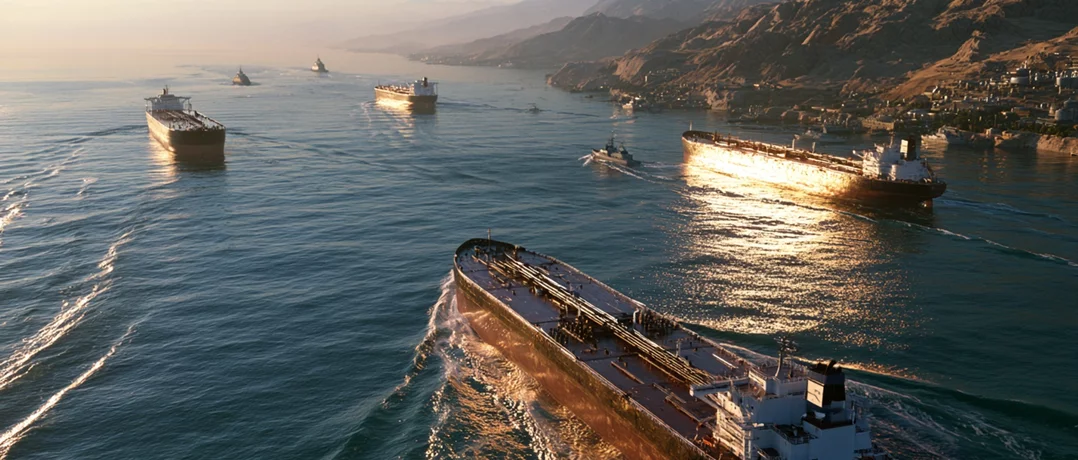
Further from the efforts exerted to de-escalate the situation and avert a possible US military strike against Iran, which analysts warn could trigger a wider regional war, one of the key proposals under deliberation is the reopening of the Strait of Hormuz within 48 hours of a potential agreement between Washington and Tehran. This proposal reflects huge concerns over the economic and strategic consequences of keeping the vital Strait closed or restricting maritime traffic. However, despite the diplomatic efforts, no agreement has been reached so far.
On the US side, President Donald Trump has indicated that Washington will not launch further attacks on Iran before the November 3 midterm elections. However, Trump hasn’t ruled out military action afterwards, leaving the possibility of a new confrontation on the table. In parallel, Secretary of State Marco Rubio stated that Trump “prefers a diplomatic solution,” suggesting that Washington remains open to negotiations, even as military options have not been excluded.
In the Gulf, concerns are stepping up that the region could once again find itself caught in the middle of a US-Iran confrontation. United Arab Emirates (UAE) presidential adviser Anwar Gargash warned that the region is bracing for another confrontation, while stressing that military action would further “complicate” the crisis. His remarks show the difficult position facing Gulf states: a direct interest in preventing a war, but their strategic importance and close security ties with Washington could expose them to Iranian retaliation.
Why are Gulf States most vulnerable
The geographical proximity of Gulf countries to Iran makes them particularly exposed to any war or escalation. Their vulnerability is not limited to their geographic location. Energy infrastructure, commercial airports, maritime trade routes and the presence of American military installations across the region all provide potential targets in the event of a regional war.
Qatar hosts Al Udeid Air Base, one of the most important US military facilities in the region and a major hub for American operations. Bahrain is home to the US Navy’s Fifth Fleet, giving it a central role in Washington’s maritime security presence in the Gulf. Kuwait and Saudi Arabia also host important American military facilities and logistical operations.
The UAE faces a different set of vulnerabilities, with its energy infrastructure, airports and major commercial centers playing a central role in its economy. Meanwhile, Oman occupies a strategically important position along the Strait of Hormuz, through which a substantial share of the world’s oil supply passes. Oman has also maintained an important diplomatic role in previously facilitating communication between Iran and the US.
This strategic geography means that a conflict between Washington and Tehran would be difficult for Gulf countries to remain outside of, even if they are not directly involved in the military action.
Economic repercussions of a new war
The consequences would extend well beyond the immediate security concerns. During the previous confrontation between the two sides, attacks and threats against maritime traffic disrupted international navigation and trade.
Another round of fighting could place even greater pressure on oil exports and international shipping. Any prolonged interruption would affect not only Gulf economies but also countries heavily dependent on energy imports. Higher oil prices, increased shipping costs and uncertainty in international markets could quickly translate into wider economic repercussions.
For Gulf states, the economic risks are particularly significant. Their position as major energy exporters and international commercial hubs depend on the uninterrupted movement of goods, oil and gas. A prolonged confrontation could undermine investor confidence, disrupt trade and put pressure on sectors that have become central to their economic diversification strategies.
Are Gulf defenses ready?
The previous war exposed the scale of the threat posed by Iran’s missile and drone attacks, despite the considerable resources Gulf countries have invested in their defense systems particularly aerial defense.
According to the Associated Press (AP), the UAE faced more than 3,000 Iranian drone and missile attacks during the previous confrontation, while Bahrain was targeted by around 500 drones and nearly 200 ballistic missiles. The same report noted that Gulf countries spent billions of dollars strengthening their air defense capabilities.
Military experts caution that a new conflict would not necessarily remain limited to American and Iranian military installations. Iranian retaliation could target energy facilities, airports and other strategic infrastructure, while further threats to shipping in the Strait of Hormuz could disrupt one of the world’s most important commercial waterways.
There is also the possibility that a new confrontation could draw in additional regional actors, turning what initially appears to be a bilateral conflict into a broader regional crisis. Such an escalation would make it increasingly difficult for Gulf governments to protect their interests without becoming directly involved.
Continued Qatari efforts
As its diplomatic contacts continue, Qatar is expected to maintain its role as a key intermediary, seeking to bring Washington and Tehran closer to an understanding and prevent the region from sliding into another confrontation.
