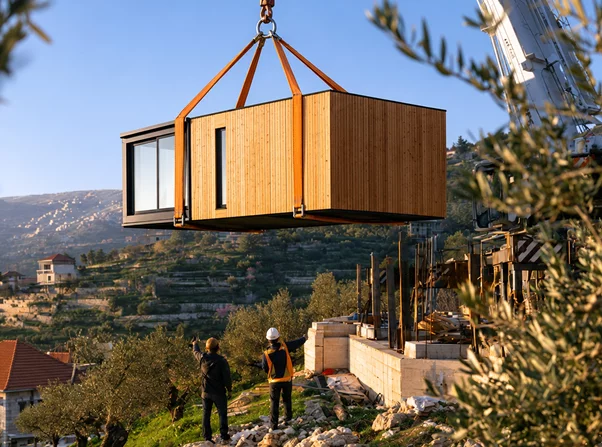
Lebanon’s Housing Bank has launched a financing program offering loans of up to $100,000 for ready-made and prefabricated homes, with eligibility subject to income, legal and technical requirements.
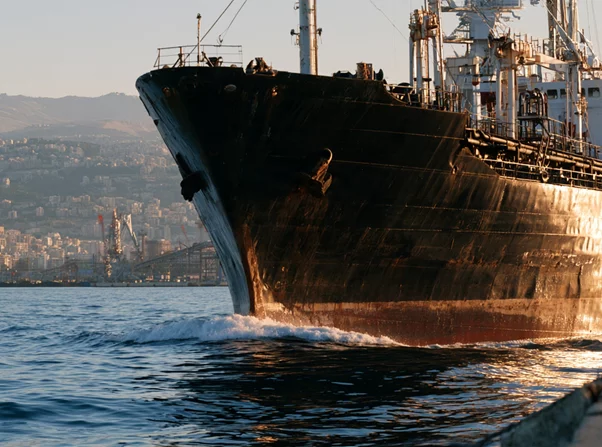
Investigations into Lebanon’s Russian fuel imports from 2023 to 2025 raise questions about procurement transparency, alleged financial losses, sanctions and accountability in the energy sector.
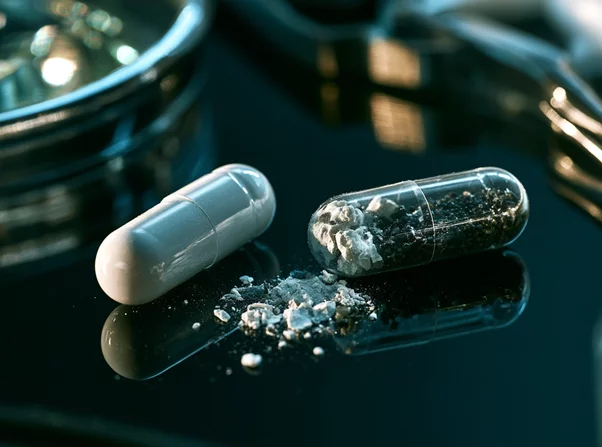
Lebanon intensifies efforts to combat counterfeit medicines as investigations expose gaps in pharmaceutical oversight, enforcement and public health data.
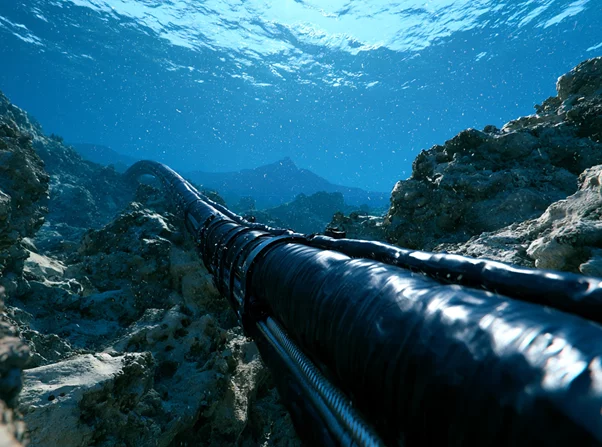
Lebanon’s CADMOS-2 submarine cable promises stronger links to Cyprus, renewing questions about state control, cybersecurity and the country’s parallel networks.
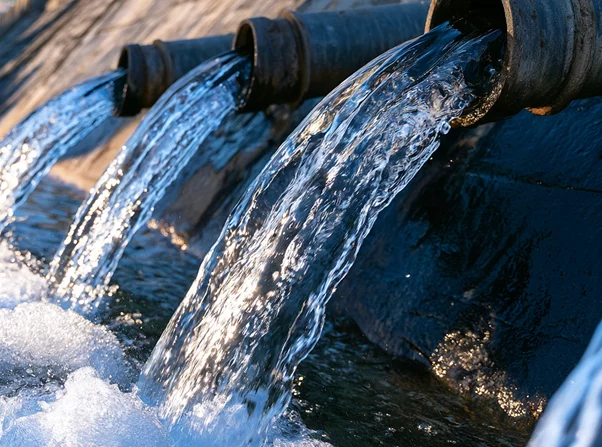
EBML’s campaign in three municipalities targets illegal water connections, unregistered subscriptions and unpaid bills as Lebanon seeks to improve revenue collection and strengthen public water services.
Lebanon is accelerating aviation sector reforms to address ICAO safety concerns, strengthen regulatory oversight and meet international standards as it works toward restoring direct flights between Beirut and the United States.
EDL has begun cutting power to public institutions over an estimated $250 million in unpaid bills, affecting OGERO centers and raising questions about accountability across the state.
Qatar is intensifying diplomatic efforts to prevent renewed US-Iran conflict, as Gulf states face mounting security and economic risks.
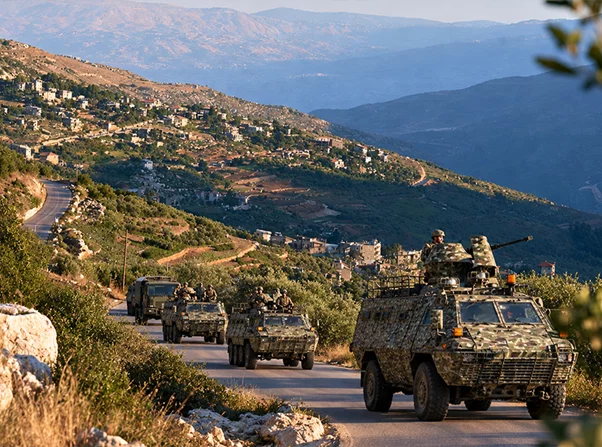
The Lebanese Army is expanding its presence across southern Lebanon, but Israeli military activity, unresolved withdrawal arrangements and Hezbollah’s weapons continue to challenge state control.
The Cabinet’s decision postponing the referral of the Hezbollah explosives case to the Judicial Council, last Thursday, raised fresh questions about the Lebanese state’s willingness to confront illegal arms.
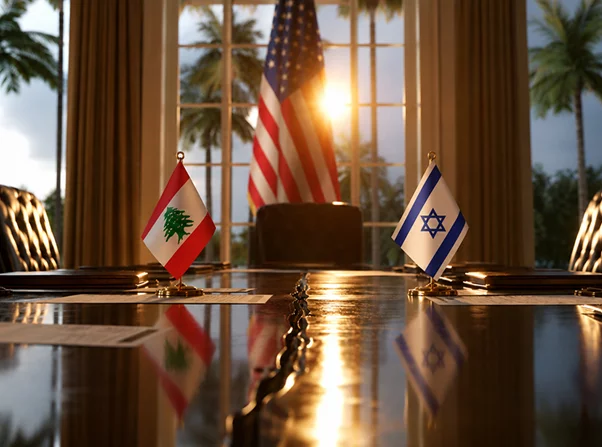
US-mediated military talks between Lebanon and Israel in Florida ended without progress on Israeli withdrawal, continued attacks or the implementation of the ceasefire framework.