More than six decades after Birds of September, Emily Nasrallah's timeless novels continue to capture Lebanon's enduring story of emigration, identity, family, and the emotional cost of leaving home.


More than six decades after Birds of September, Emily Nasrallah's timeless novels continue to capture Lebanon's enduring story of emigration, identity, family, and the emotional cost of leaving home.

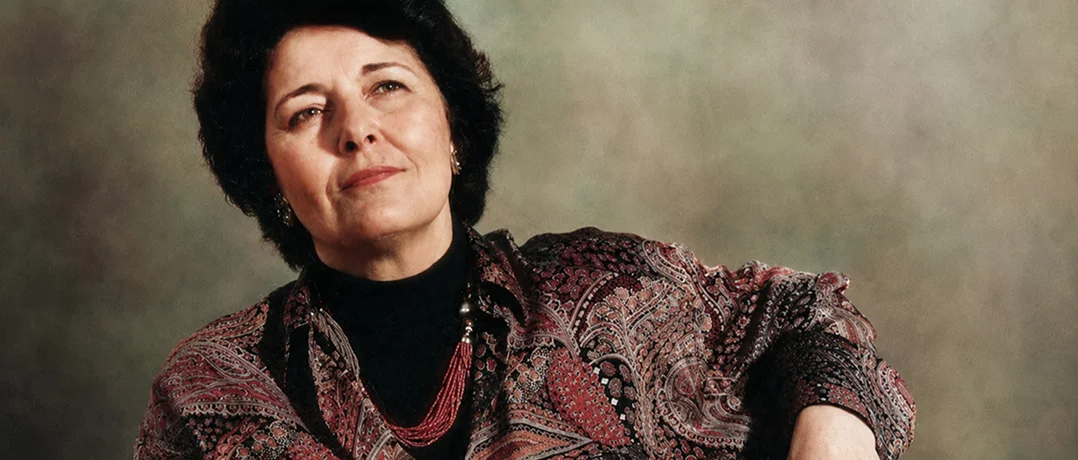
Long before Lebanon's economic collapse, before airports became crowded with young graduates carrying one-way tickets and families learned to celebrate birthdays through video calls, Emily Nasrallah had already told the story. She understood that for many Lebanese, leaving home was never simply about finding work or building a better future. It was about the people left behind, the villages that slowly emptied, and the quiet ache of watching loved ones build lives somewhere else. For generations, emigration has been woven into Lebanon's identity. Whether driven by war, economic hardship, education or opportunity, nearly every Lebanese family has experienced the pain of saying goodbye. While politicians often speak of migration in numbers and policies, Nasrallah wrote about it in its most human form. She captured the emotions that statistics cannot: longing, hope, loneliness and resilience. More than sixty years after the publication of Birds of September, those emotions remain strikingly familiar.
Born in the southern village of Kfeir in 1931, Emily Nasrallah spent much of her career documenting aspects of Lebanese life that were often overlooked. Rather than focusing on political leaders or moments of national triumph, she turned her attention to ordinary people and everyday lives. Her novels are filled with mothers waiting for letters, daughters dreaming of different futures, elderly parents watching their children leave, and villages shaped by traditions that seemed increasingly fragile. In doing so, she preserved a version of Lebanon that was rarely at the center of literary attention. She once described the village not as a place frozen in time, but as a living community constantly negotiating change. That perspective became one of the defining characteristics of her writing.
Published in 1962, Birds of September tells the story of a rural Lebanese village where young people dream of emigrating while older generations fear what their departure will mean for the future of their community. The novel is not simply about leaving. It is about everything that remains afterwards. Parents continue tending homes that grow quieter each year. Childhood friends become voices heard through letters and telephone calls. Village streets become emptier as opportunities pull younger generations overseas. Reading the novel today feels almost uncanny, given the realities Lebanon continues to face. Lebanon has experienced successive waves of emigration throughout its modern history. Civil war forced thousands to leave. Economic crises pushed many more abroad. Since 2019, the country's financial collapse has accelerated one of the largest waves of youth migration in recent decades, with professionals, students and entire families seeking stability elsewhere. Although the destinations have changed, the emotional landscape that Nasrallah described has not. The airport farewell has become a familiar family ritual, as parents count down the months until the next visit. Grandparents watch grandchildren grow up through phone screens. Entire neighbourhoods speak proudly of children who "made it abroad" while quietly mourning their absence. Nasrallah recognised that migration is never experienced by one person alone. Every departure reshapes the lives of those who stay behind.
Emily Nasrallah's contribution to Lebanese literature extended far beyond her portrayal of migration. She also quietly redefined how women were represented on the page. At a time when many female characters existed primarily as wives, daughters or mothers, Nasrallah created women with ambitions of their own. Her protagonists wanted to study, work, travel and make decisions about their own futures. They respected their families and traditions, yet questioned the limitations placed upon them. This was a remarkably progressive perspective in the 1950s and 1960s. Rather than portraying dramatic acts of rebellion, Nasrallah explored quieter forms of resistance. Her characters challenged expectations through education, curiosity and the courage to imagine different lives. Their struggles unfolded through everyday conversations, personal reflections and difficult choices, making them feel deeply authentic.
Her own life mirrored many of these themes. Raised in rural South Lebanon, she left Kfeir to study journalism at the American University of Beirut before becoming one of Lebanon's most celebrated writers. Like many of the women she wrote about, she experienced the tension between remaining rooted in one's community and pursuing opportunities beyond it. Today, many Lebanese women continue to navigate similar questions. Expectations surrounding marriage, career, migration and independence have evolved, but they have not disappeared. That is one reason Nasrallah's work continues to resonate with younger readers. Long before discussions about gender equality became commonplace, she had already begun writing women as complete human beings, driven by dreams, fears and ambitions rather than stereotypes.
Although migration and women's lives remain central themes, Nasrallah's work also serves as an archive of Lebanese social history. Her novels preserve village traditions, seasonal rhythms, family rituals and everyday conversations that have gradually faded with urbanisation and emigration. Olive harvests, neighbourly gatherings, local customs and the close-knit relationships of rural communities become more than settings; they become historical records. In this sense, Emily Nasrallah preserved Lebanese heritage as much as many museums or archives do. She documented not monuments or political events, but the ordinary moments that shape collective memory.
Emily Nasrallah did not write stories that belonged only to her generation. She wrote stories that continue to unfold. Every year, thousands of Lebanese still face the same questions her characters asked decades ago. Should they stay or leave? Can they pursue their ambitions without abandoning their roots? What happens to a country when its young people build their futures elsewhere? Her novels offer no simple answers. Instead, they remind readers that migration is measured not only by passports and plane tickets, but by the emotional distance it creates between families, communities and generations.
Perhaps that is why her writing has endured for so long. She understood that Lebanon's greatest story was never simply about those who left. It was equally about those who remained, waiting, remembering and hoping for a return. More than sixty years after Birds of September was first published, Emily Nasrallah's words still echo through Lebanese homes because they speak to an experience that has never truly ended. She gave voice to the country's greatest goodbye, and in doing so, ensured it would never be forgotten.
