



From American Thanksgiving dinners recreated in Beirut to Christmas recipes passed down through generations in North Lebanon, families, home cooks and chefs bring their own flavors to the festive season, finding new ways to celebrate around the table.
Turkey, Maamoul and everything in between

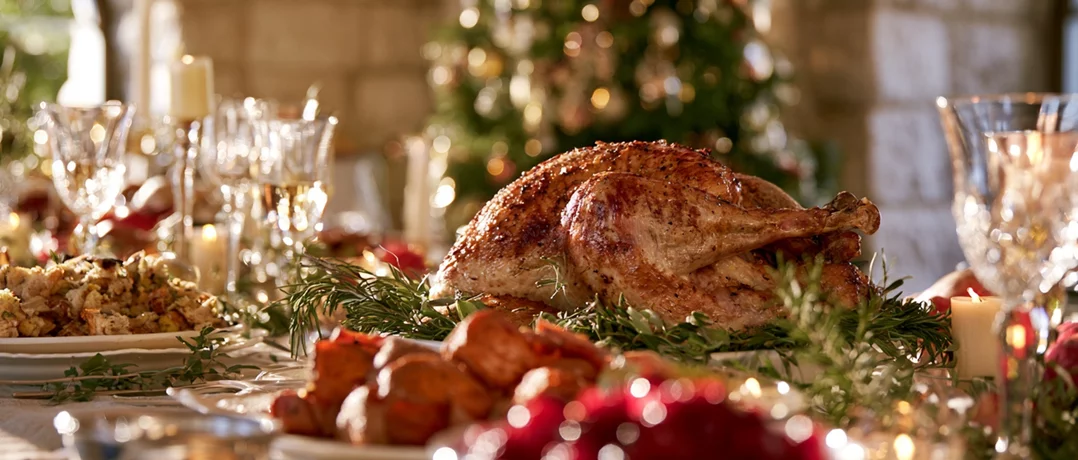
In November, a Thanksgiving table in Beirut might feature roasted turkey, pumpkin soup, glazed carrots and apple tart. A few weeks later, the Christmas preparations take over, bringing trays of maamoul, sugar maakroun, grilled meats and family lunches. The occasions may come from different traditions, yet both find their way into Lebanese homes through food, familiar recipes and the anticipation of gathering around a full table.
Although it is not a traditional Lebanese holiday, people have recently taken to celebrating Thanksgiving. Individuals adapt American recipes, groups hold Friendsgiving and even eateries provide special seasonal food. Christmas too has its own array of traditional foods which are influenced by family and area.
“I found something particularly beautiful about having a day dedicated specifically to gratitude,” Mahmoud Fawaz, who celebrates both occasions in Beirut, tells The Beiruter. “The appeal of Thanksgiving lies in its emphasis on gratitude. It is a reminder to slow down, appreciate what we have, and spend meaningful time with the people around us.”
That sentiment also runs through Christmas gatherings.
In Btourram, North Lebanon, Hilda Saliba remembers her parents preparing dinner on December 24, with relatives bringing dishes to share. “My dad would cook the barbecue. We’d have a range of dishes on our table, including hummus, baba ghanoush, tabbouleh and fattoush as well as chips. These were such good times,” says Saliba.
Recipes that travel through generations
For many families, the festive menu begins with memories of watching someone else cook.
Beirut-born chef Jad Youssef says he has happy memories of Christmas where his family ate a variety of dishes such as mezza, kibbe, roasted food and stodge with nuts. His mum usually used her sense of smell and feeling to know when to stop adding ingredients.
“I was always around her in the kitchen, watching her cook and learning without even realizing it,” he says. Even today, he calls her to check how she prepares certain dishes. He even still calls her to ask how she cooks particular foods. Having moved countries has added extra significance to some of his childhood food memories including the spices, herbs, lemon and olive oil.
Home cook Marta Sarofim also keeps family recipes alive through her Christmas preparations. Sugar maakroun stuffed with walnuts and sugar, ghraibi, maamoul and kawamat return to her kitchen every year. “It carries memories and family memories,” she says of preparing food by hand. “We are committed to the holidays. We make them and they stay blessed.”
In Hilda's family, another Christmas favorite is Bûche de Noël (log-shaped cake) decorated with branches, clouds, the sun and Santa Claus. She remembers her mother buying it for the family when she was younger and now her sister began making it at home. Hilda now prepares it herself occasionally. “You can feel the smell of the house; it has a holiday,” she says.
These recipes sit alongside dishes that families prepare according to their own preferences.
Mahmoud, for instance, likes a combination. “Lebanese food is such an important part of our identity, and it is difficult to imagine a festive gathering without some of our traditional dishes, mezze, and the generosity that comes with Lebanese hospitality,” he says.
Thanksgiving meets the Lebanese table
Elizabeth Dyer brought her American Thanksgiving traditions to Lebanon when she moved here in 1995. Growing up in Indiana, she remembers long drives to her grandparents' home, where her mother, grandmother and aunts prepared the entire meal. Her grandfather always requested oyster stuffing and the children looked forward to the Macy's Thanksgiving Day Parade.
After settling in Lebanon, she began hosting the holiday for Lebanese relatives and friends.
Her menu remained strictly American, with turkey, stuffing, sweet potatoes and cranberry relish. “It is the one meal of the year where there are NO Lebanese dishes allowed!” she laughs.
Finding the ingredients was part of the experience. “I remember using canned cranberry relish instead of fresh a few times. The owner of Metro Supermarket's wife was American and she would make sure he would bring in fresh cranberries! Sweet potatoes were really hard to find for a while, as was celery. Now, everything is available!” Dyer recalls.
Her American friends would also arrive early to cook together, laughing and sharing a glass of wine as they prepared the meal.
Mahmoud takes a more experimental approach. “I enjoy experimenting with food, so I wouldn’t necessarily limit myself to a completely traditional American menu. I love the idea of combining different culinary influences.” He likes bringing Thanksgiving classics such as turkey, stuffing and mashed potatoes together with Lebanese flavors and ingredients.
For Jad, this exchange also inspired a Thanksgiving collaboration at Lebnani with Anna Ansari. Drawing from their cookbooks, Lebnani and Silk Roads, the chefs combine Lebanese, Iranian, Azerbaijani and Central Asian influences with familiar Thanksgiving dishes.
Sumac, baharat, fresh herbs, citrus, pomegranate and olive oil find their place alongside slow-cooked food and smoky flavors from cooking over fire.
“If I could introduce one Lebanese dish to the Thanksgiving table, “I'd go for Moghrabieh with chicken,” he says. “It's a proper Lebanese comfort dish, made with big pearls of semolina, tender chicken, chickpeas and little onions, all cooked with lovely warm spices. It's something I grew up with and always reminds me of home.”
Another reason to set the table
The growing interest in Thanksgiving has also reached Beirut's dining scene.
At Lost Lobbybar, manager Seline Khoury says the restaurant has organized a Thanksgiving dinner annually for the past two years.
“We like people to gather together, full decoration, full Thanksgiving menu. It is a good ritual,” she says.
This year's menu opens with a welcome glass of Prosecco and creamy pumpkin soup, followed by smoked duck magret with sucrine lettuce, grilled Brie with cherry compote and grilled artichokes. Guests choose between roasted turkey and salmon, served with golden potatoes, glazed carrots and chestnuts, before finishing with warm apple tarte and vanilla ice cream. Priced at $60 per person, the dinner also includes dishes served family-style for sharing.
Elizabeth believes that the tradition has changed as her children have moved abroad, although the gatherings continue through friends and the American Women's Club's annual potluck.
“The thing that has stayed the same is that everyone contributes dishes. One person doesn't do all the cooking alone,” she says.
Hilda is hoping that her children will also pass on their own Christmassy memories. Her daughter Lyn has begun to take responsibility for putting up the tree and family and friends still come together for a festive meal.
“I hope that they remember the same things. Their mother and father, what they used to do, the Eid, the dinner, the food, the blessings that God gave us,” she says.
-
-
-
Rayanne TawilCultural writer
-
