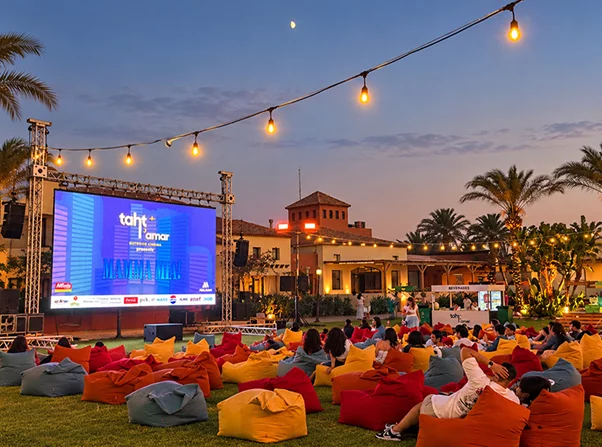
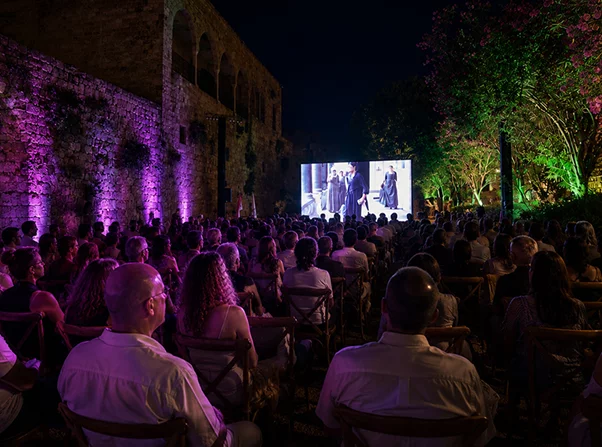
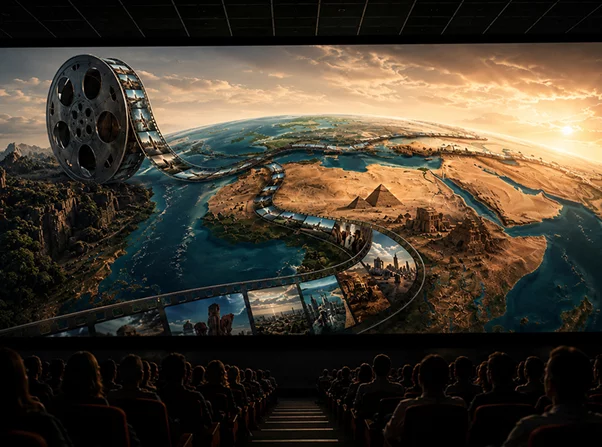
From beaches and backyards to rooftops and gardens, Lebanon’s outdoor screenings are turning movie nights into social experiences with organizers already imagining what happens when summer ends.
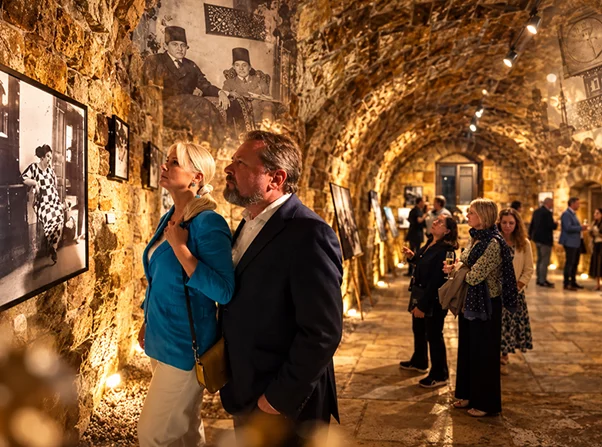
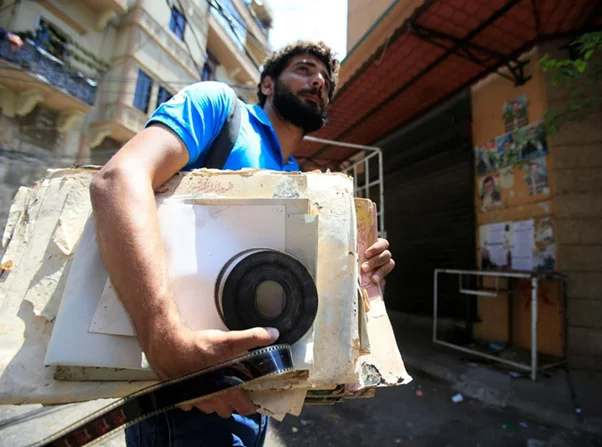
At Azal Heritage, over 60 photographs from the Mohseen Yammine collection revisit the work of pioneering Lebanese photographer Marie El-Khazen, curated by Yasmine Nachabe Taan and Georgia Makhlouf.
Over three days in Qoubaiyat, the eighth edition of REEF Encounters brought together films, environmental discussions, hikes, workshops, local producers and stories from the people who care for Lebanon’s land.
At the 13th Tripoli Film Festival, films about family, separation, identity and survival met audiences alongside a program built around the region’s emerging filmmakers.
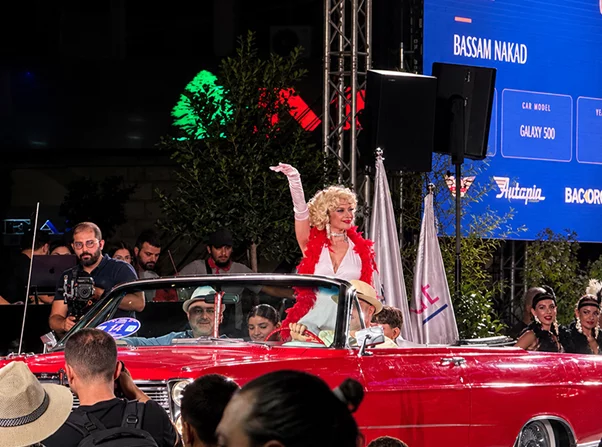
From a street lined with second-hand treasures and vinyl records to a red-carpeted classic car show beneath strings of lights, Sook El Vintage brought three days of fashion, nostalgia, music and classic cars to Jounieh’s historic center.
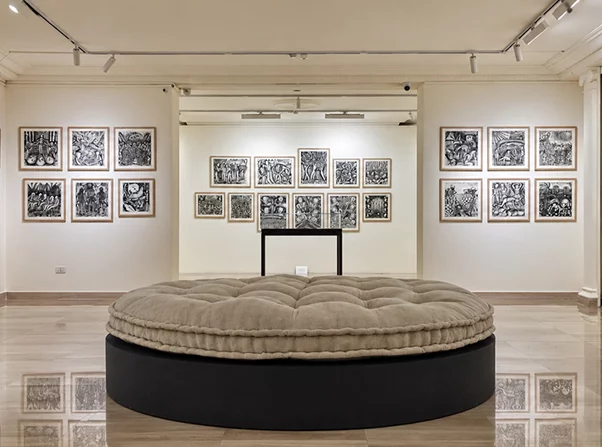
At DAF, “Leaves from the Theater of War” brings together 242 drawings created over 12 years, allowing Nabil Kanso’s meditation on conflict, power and the human condition to be seen as one continuous work for the first time.
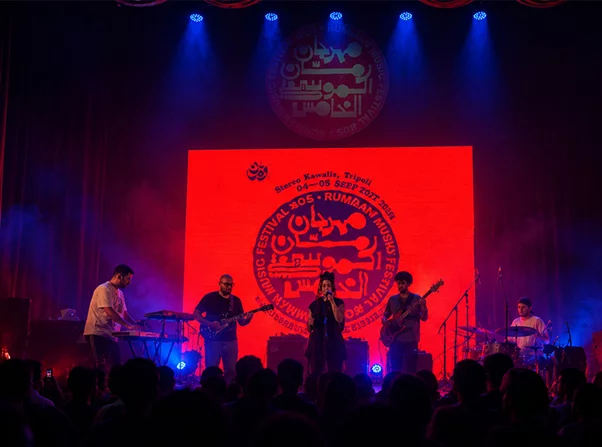
Rumman’s fifth edition brought Tripoli into focus through two nights of live music, new collaborations and a space where artists and audiences could meet.
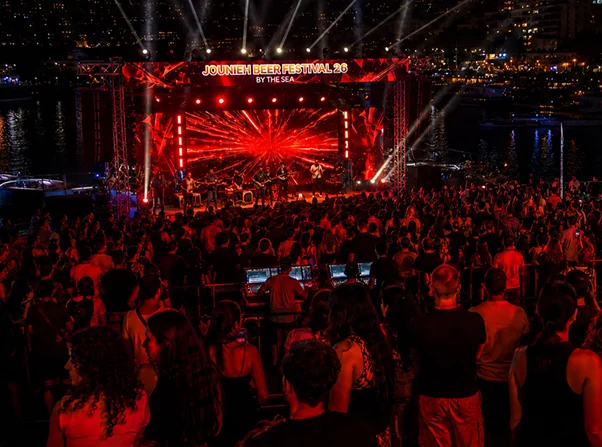
Jounieh Beer Festival returns to the city's waterfront from Aug. 20 to 23, bringing live music, food stalls, family activities and a floating stage to the beach as the city doubles down on its tourism identity.
The Byblos International Film Festival returns to the Jardin des Artisans from Aug. 21 to 23, bringing Lebanese and international films, emerging directors and three nights of screenings into the historic Old Souk.
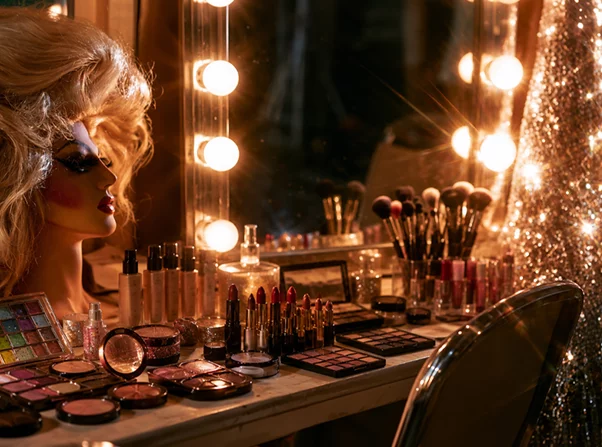
On a Wednesday night, Emma Gration and Hoedy Saad turned their history of arguments into a theatrical drag battle filled with humor, chaos and tenderness, while opening a conversation about what it takes to create queer art in Lebanon.
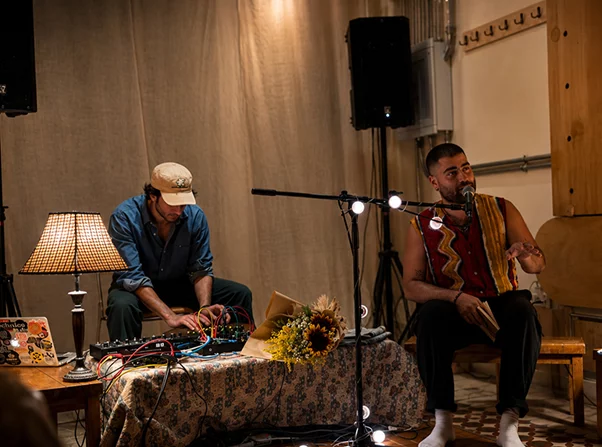
At Fizz in Mar Mikhael, poet Serge Nasr and musician Serge Volant brought ‘Flexible Ending Arrangements’ and ‘Everyday Is All There Is’ into the same room, turning an hour of spoken word, ambient music and field recordings into something intimate and unexpectedly immersive.
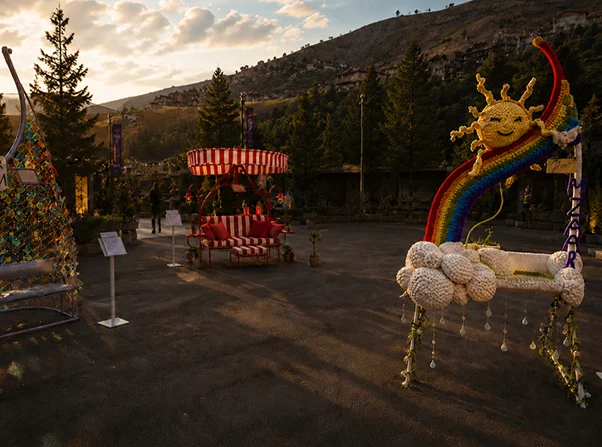
At Les Jardins du Mzaar's Summer Festival, 19 Lebanese artists transformed retired ski chairlifts into immersive installations, turning the mountain resort into an open-air gallery where visitors could sit, interact and experience art.
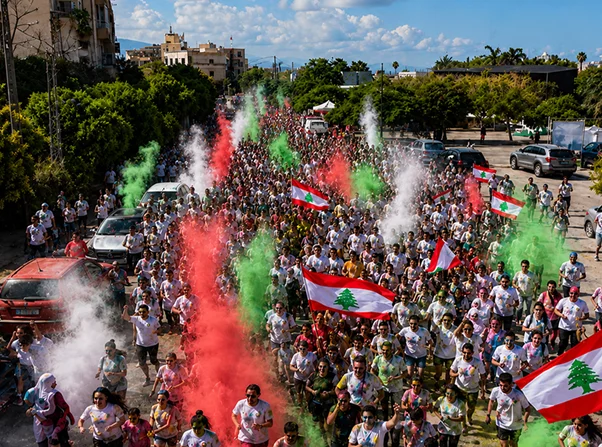
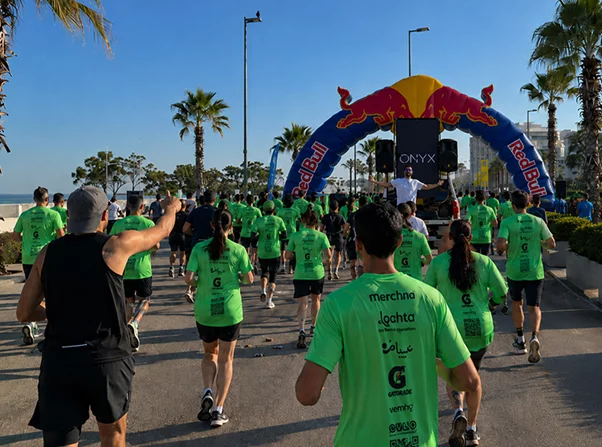
We Run Colors brought runners, families, friends and couples together in Jbeil-Byblos on Sunday morning, turning a three-kilometer run into a celebration of movement, music and Lebanese pride.
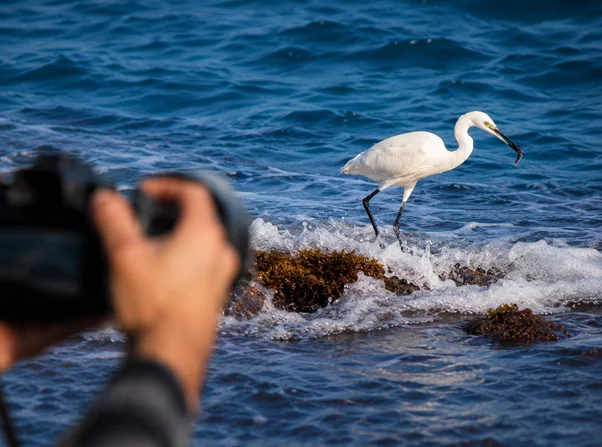
At 19, Lebanese photographer Sami Lakis is turning his camera toward the country’s overlooked wildlife, documenting animals in their natural habitats while using social media to challenge misconceptions and push for greater awareness.
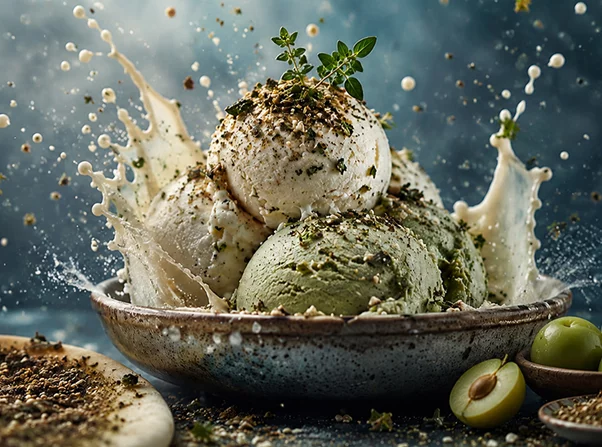
Janerek topped with salt, mughlai scoops, zaatar gelato and matteh-inspired desserts are turning childhood flavors into Lebanon's latest food obsession.
More than 750 runners filled Waterfront Dbayeh for the first edition of The Titans Race, where personal bests shared the course with moving trucks with music, cheering crowds and tiramisu delivered on two wheels.
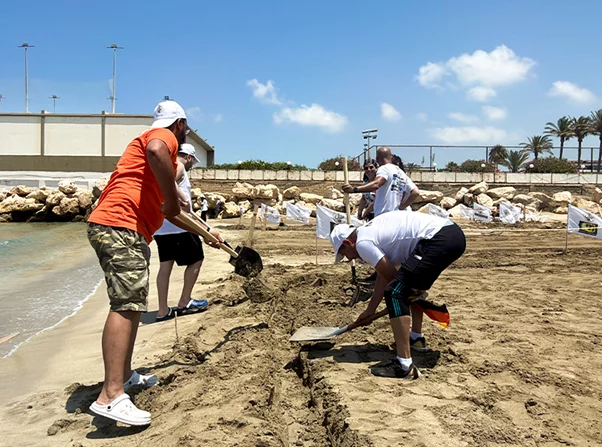
Under the summer sun on Naji Beach, 150 volunteers came together to sculpt the name of their city into an 80-meter sand artwork, proving that Tripoli’s story can be shaped by the hands of its people.
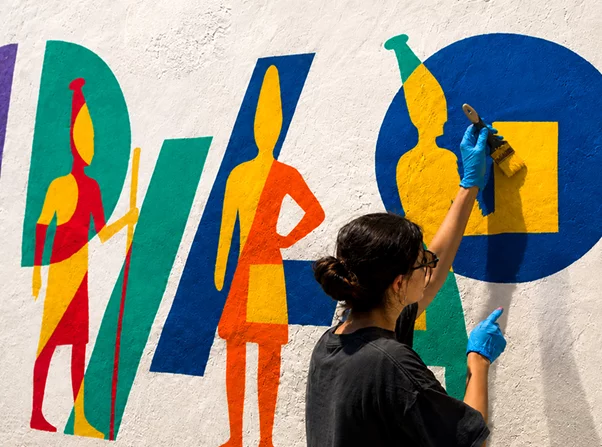
Inside the student-led project that transformed a forgotten wall near the old city into a contemporary tribute to Byblos’ maritime heritage, guided by AUT’s Graphic Design Department.
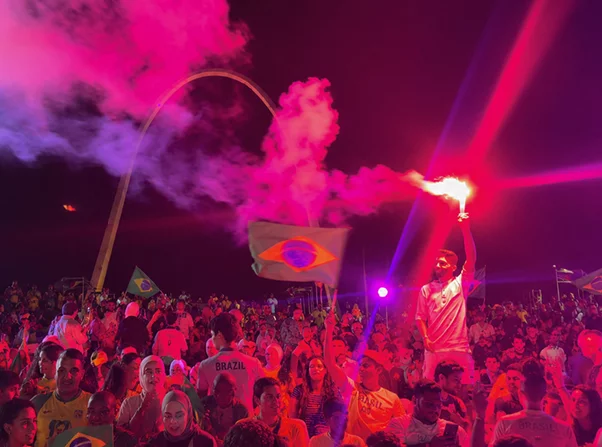
From drums and dabke to Brazilian flags and roaring crowds, the World Cup Festival brought football, food and a new energy to the historic fairgrounds.
The Cannes-winning filmmaker arrives at Metropolis, bringing his cinema of landscapes, faith and survival to a packed Metropolis audience, while Lebanese and Arab films reclaimed the screen through stories rooted in the region.
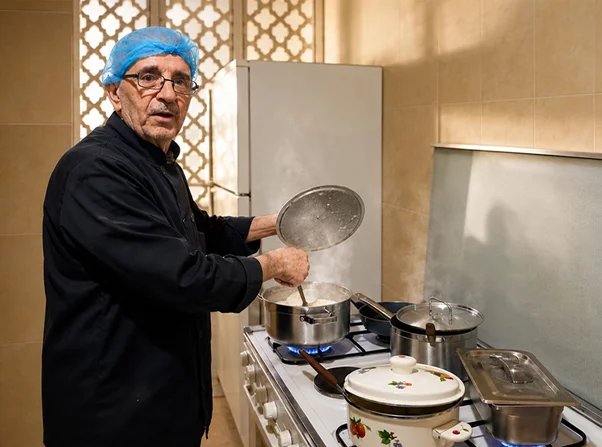
At an older age, Amo Adel is cooking dishes that many young Lebanese only remember from their grandparents’ tables. Inside his modest apartment in Basta, he serves food and stories from a life spent crossing continents, always returning to the kitchen.
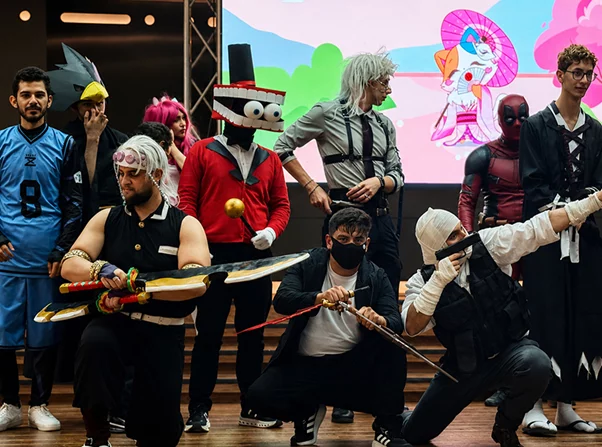
At the Rachid Karami International Fair, thousands gathered for Haru Matsuri. During this two-day anime festival, cosplay, Japanese pop culture and community transformed one of Lebanon’s most iconic spaces into something entirely unexpected.
With a social media call that quickly rallied designers, students and collectors, Aya Safieddine, founder of Archif.Co is aiming to raise $100,000 through fashion to support Lebanese families displaced by war.
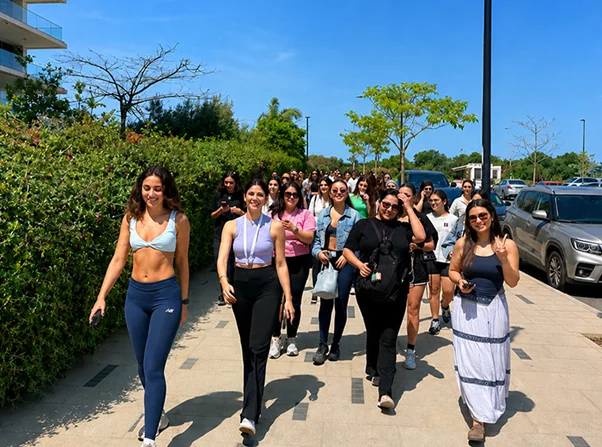
From a spontaneous idea to a waterfront gathering of nearly 100 women, LYORA World’s first “Girls Walk” in Lebanon turned movement into connection and strangers into something closer.
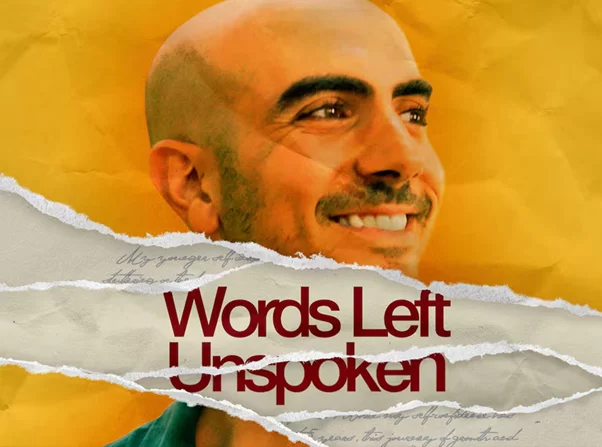
As BAFF brings cinema beyond Beirut, Joze Piranian’s documentary turns inward, tracing a journey of silence, family and the courage to finally speak.
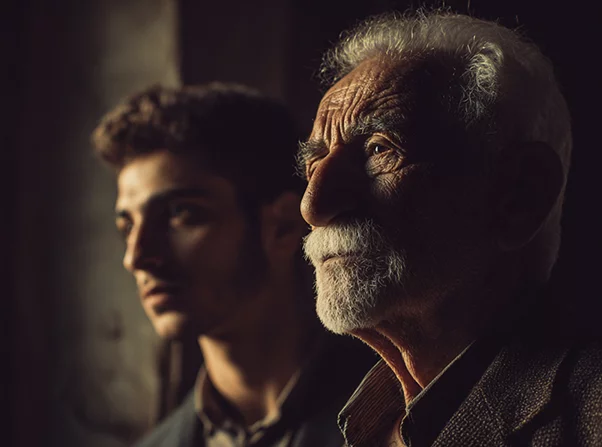
Older and younger Lebanese people navigate conflict through inherited memory, lived trauma and a present that feels both familiar and entirely new.
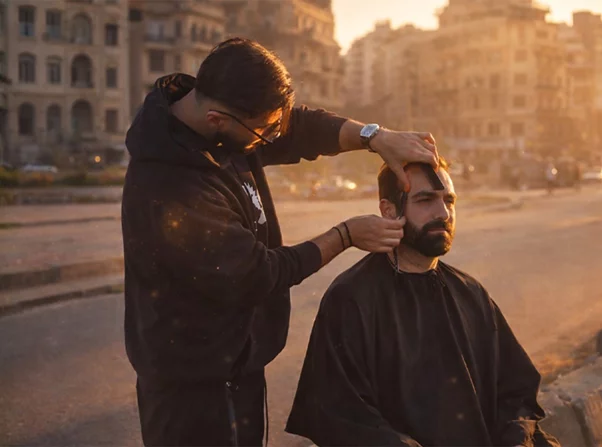
Providing free haircuts, a trio from Khaldeh, Baalbek, and Saida are restoring more than hair, they’re bringing back a sense of self for the displaced during difficult times.
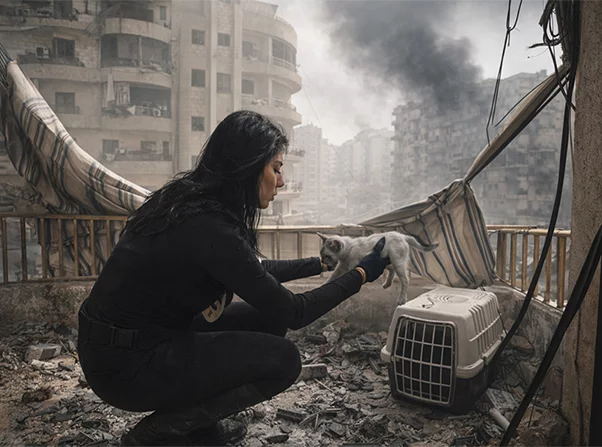
As war displaces over a million, shelters and rescuers scramble to care for a surge of abandoned animals.
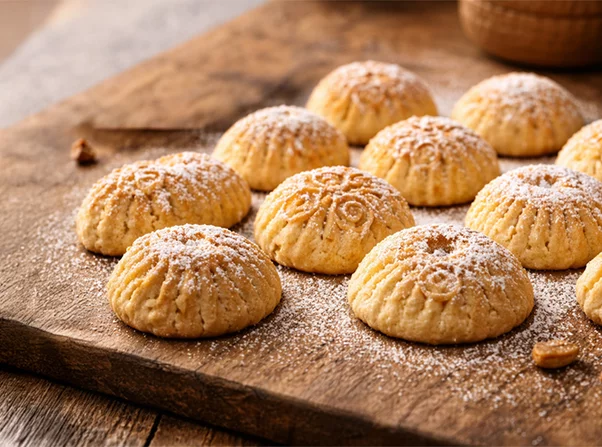
Maamoul has a deep history across the Levant and has evolved into a shared Easter tradition, involving gifting, hospitality and community, and containing symbolic meanings behind its shapes and fillings.
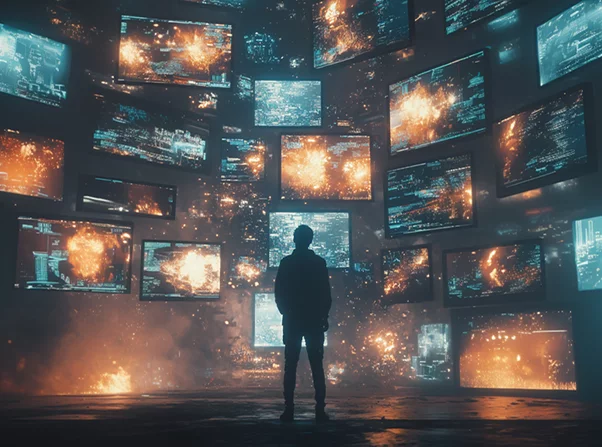
Lebanese social media feeds mix tragedy, humor and solidarity as the war unfolds online.
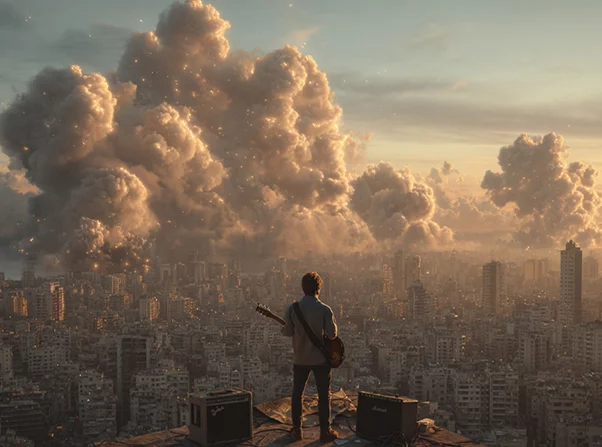
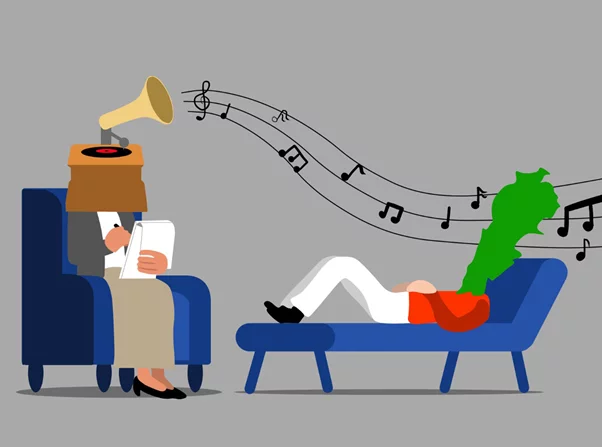
The ongoing war in Lebanon leads musicians and cultural centers to confront two challenges: whether to maintain silence or their vital need to keep making music.
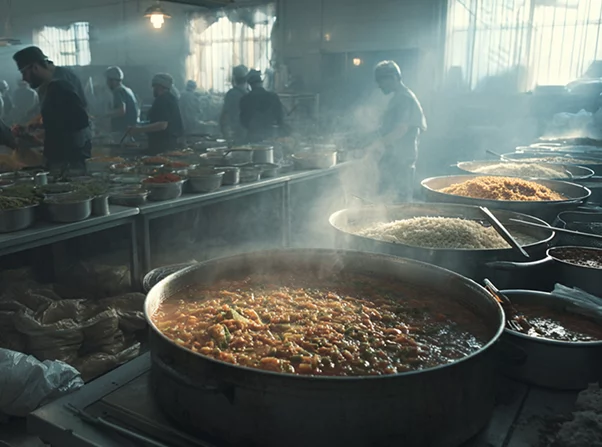
Volunteer-operated community-led kitchens in Lebanon prepare thousands of meals each day to support families while they fill aid shortages and help people feel connected to each other.
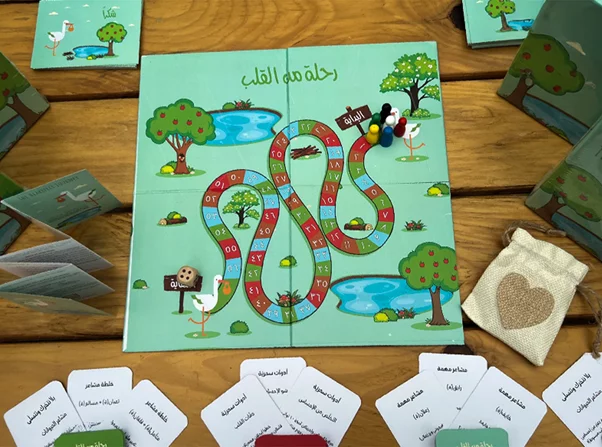
As emotional learning is increasingly outsourced to screens, Dr. Layla Itani’s The Journey Box reclaims play as a serious educational tool.
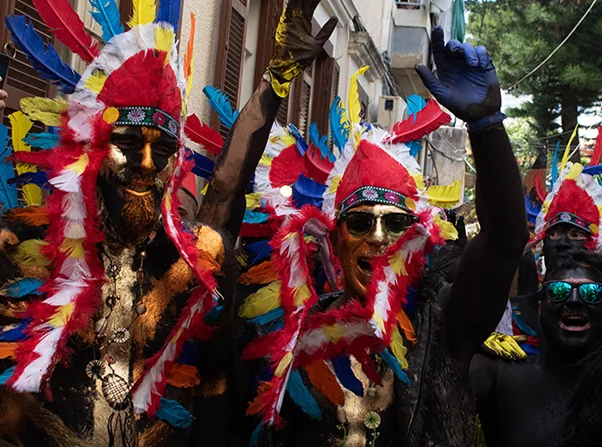
A tradition going on nearly 100 years, the streets of Mina- Tripoli have filled with paint, feathers, noise and laughter on the eve of Orthodox Lent.
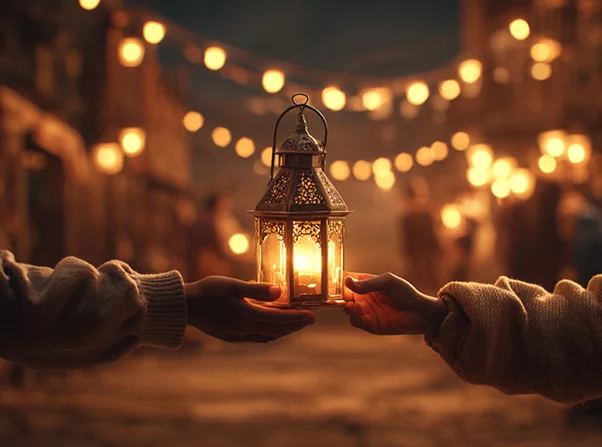
The shared ritual from northern lantern-lit skies to southern village square celebrations transforms Ramadan anticipation into a collective experience of remembrance and optimism which unites the community.
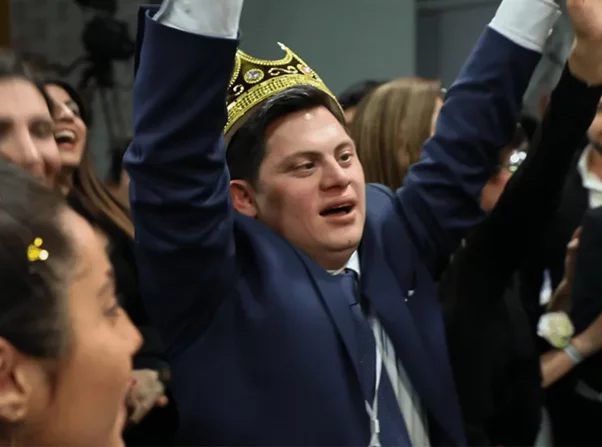
At SKILD Center’s Night to Shine, people with disabilities stepped onto the red carpet’s spotlight and into a celebration that reimagines inclusion as joy, dignity and public belonging.
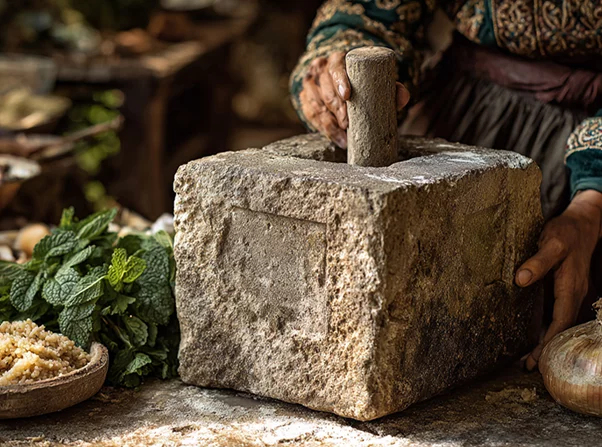
Tracing the origins of Kibbeh and Kibbeh Nayeh, from ancient Mesopotamia to the modern Levant, and why the dish still matters.
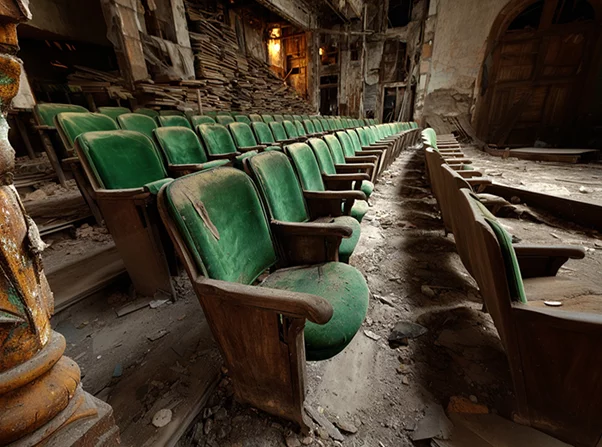
Once a beacon of modernity and collective memory, Tripoli’s Colorado Cinema is being dismantled, seat by seat, story by story.
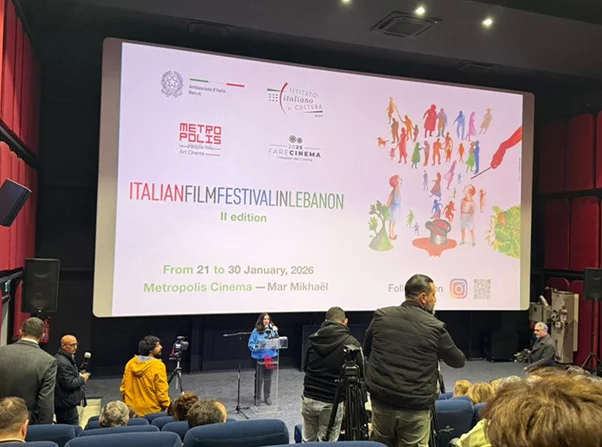
For its second edition, the Italian Film Festival in Lebanon leans into continuity, contemporary cinema, and cultural exchange, turning Metropolis Art Cinema into a bridge between Rome and Beirut.
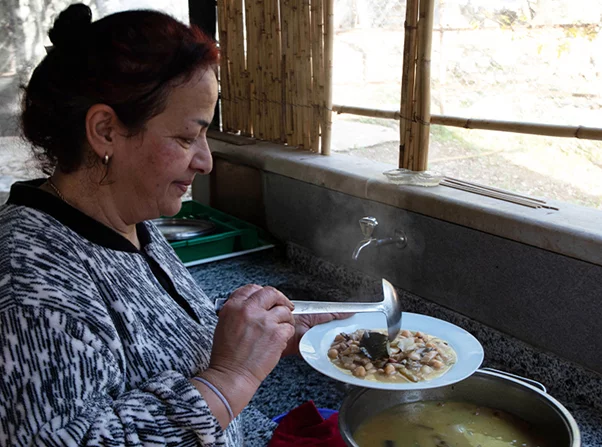
In Ramliyeh, Sawsan Shaaban cooks Christian-Druze mountain dishes the slow way, with time, memory and stubborn faith in authenticity, and carries them down to the city every week.
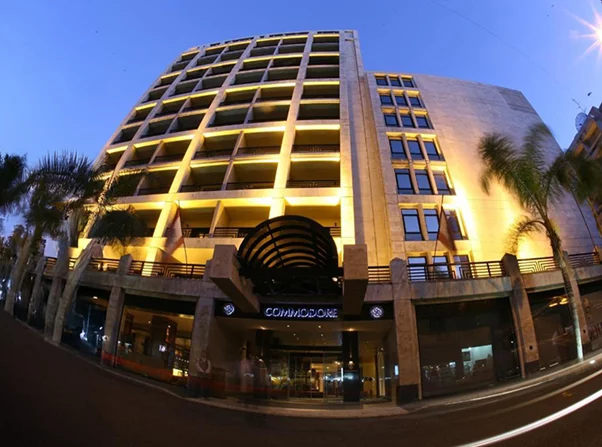
One of Hamra's most famous hotel has shut its doors after 82 years. Le Commodore was not only a place for rest; it was a remarkable building, a shelter during war, and a chronicler of the many transformations of Beirut.
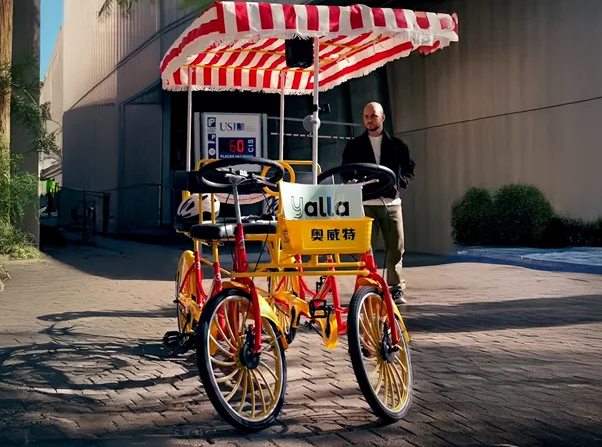
On a quadrilateral bike painted with Beirut’s memories, Rouba Houssami invites the city to slow down, pedal together, and see familiar streets with fresh eyes.
At KED, Egna Legna’s Christmas initiative turned the venue into a warm, feminist gathering led by migrant women speaking for themselves.
On World Arabic Language Day, students from across Lebanon filled Sanayeh’s National Library with words, wit and wonder, in a lively competition hosted by the Ministries of Culture and Education.
Riwaq teamed up with The Blind Spark to host hopeful singles for a sold-out blind speed dating experience.
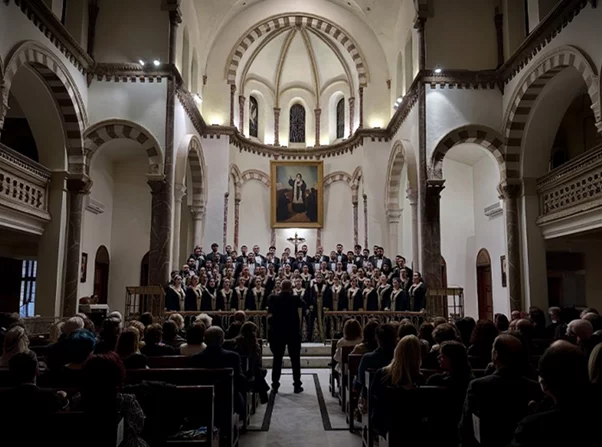
St. Maron Church glows as Fayha Choir blends Christmas hymns with heartfelt Arabic a cappella melodies.
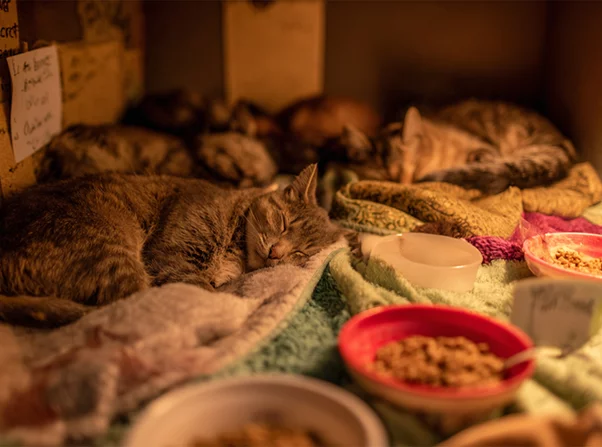
After destruction, Diana Abadi turned a small Dahiyeh shop into a haven for plants, injured cats, and hope.
Every Friday and Saturday, the Old Jounieh Souks will go fully pedestrian to boost local businesses and revive the historic streets.
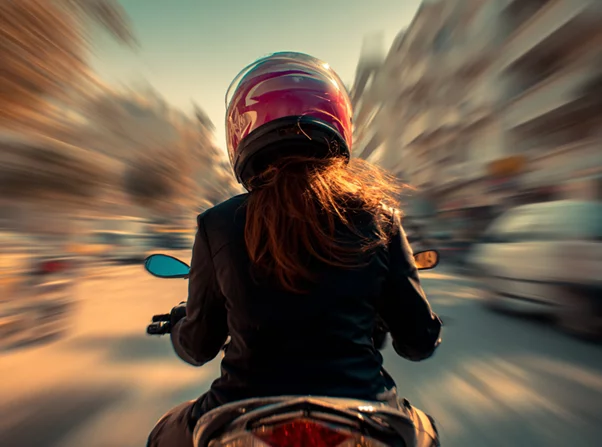
From solo moto-taxi rides to a women-led ride-hailing app, female drivers are rewriting the rules of mobility in Lebanon.
With the first Beirut edition of the Lebanon International Short Film Festival, Tiro Arts Association brings regional filmmakers, restored heritage cinemas, and independent voices back to the heart of Hamra.
The Beirut Art Film Festival, now in its 11th edition, invites the audience to experience the human side of the world once again through art, revolt, and the gentle perseverance of beauty.
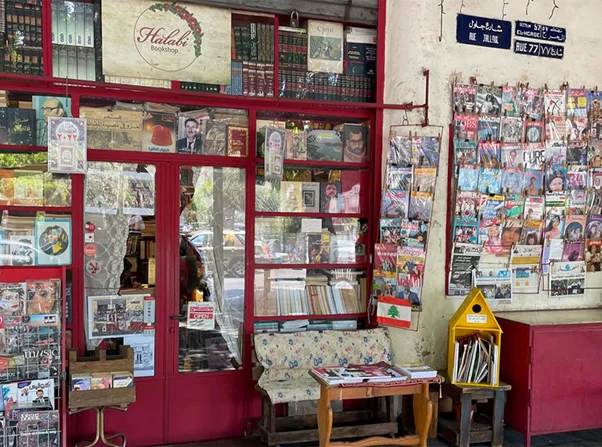
In Tarik Al Jdide, one of Beirut’s oldest bookshops continues to outlast wars, crises, and digital shifts, a home where stories, memory, and paper still breathe.
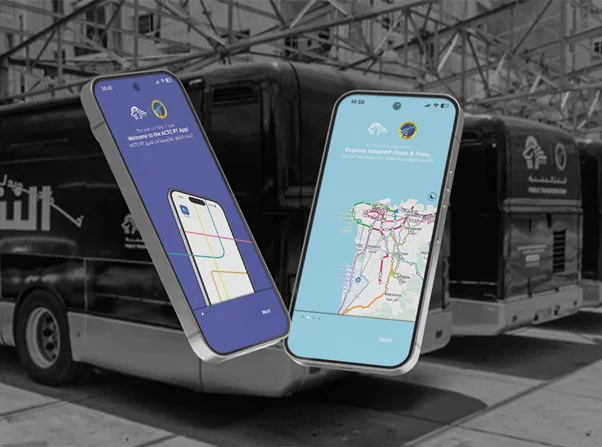
For the first time, Lebanon’s public buses have gone digital with a new app that lets commuters track routes, plan trips, and navigate the city in real time.
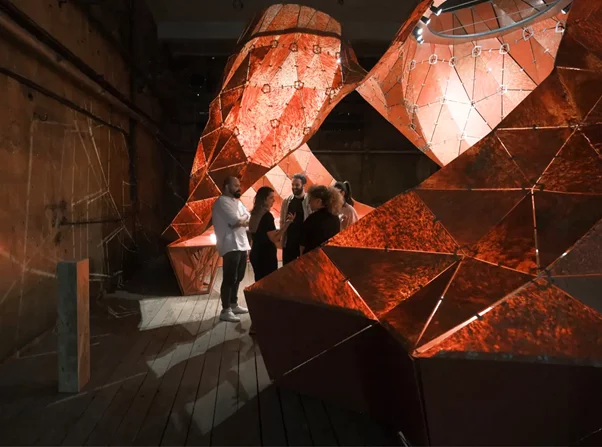
We Design Beirut takes place from October 22 to 26, 2025, across five Beirut landmarks.
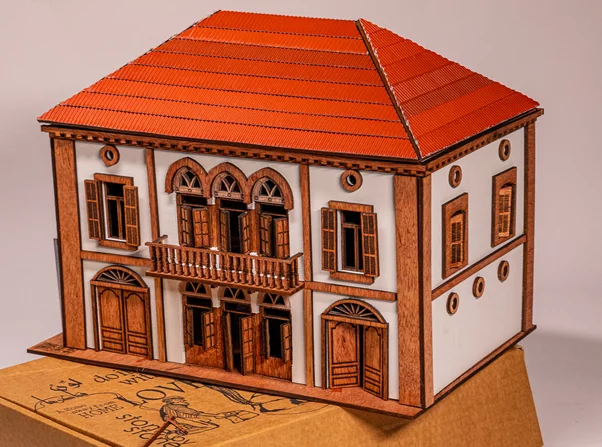
With their miniature models of Lebanese heritage houses, siblings George and Jennifer Ghafary are rebuilding what time and neglect have taken away, exporting the spirit of Beirut, stone by stone, to the world.
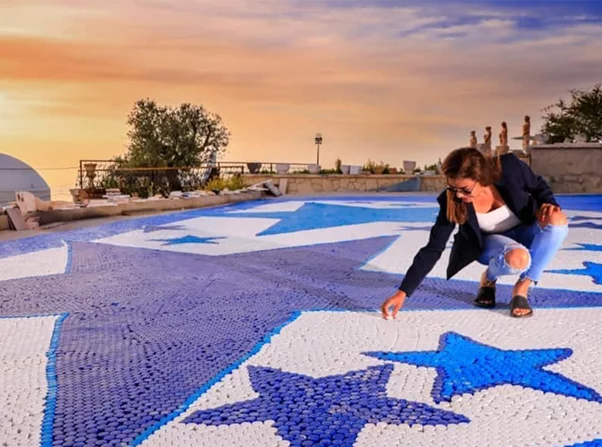
From hiding bottles under a staircase to breaking six Guinness World Records, Lebanese eco-artist Caroline Chaptini has turned discarded plastic into monuments of hope, unity, and strength, one recycled dream at a time.
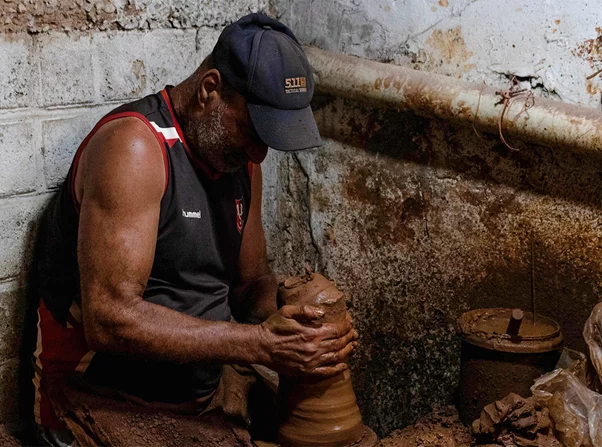
From the coast to the mountains, Lebanon’s last Tarboush maker, Sherwel tailor, pottery artisans, and Labadeh hat maker are quietly working their final years. Their craft carries centuries of memory, yet support is scarce, and younger generations rarely follow in their footsteps.
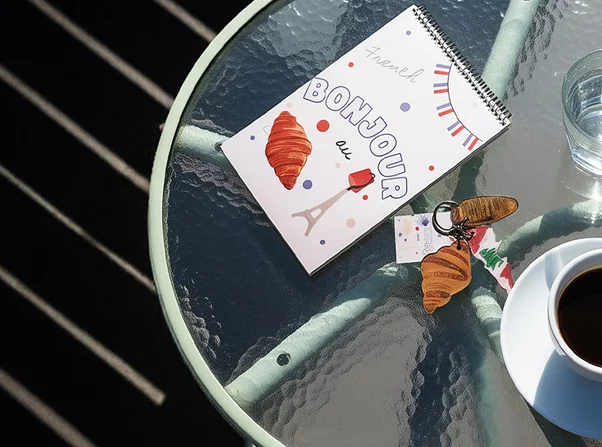
At cafés across Lebanon, strangers are meeting not for coffee alone, but to swap words, accents, and worlds. From French to Spanish to German, language exchanges are stitching friendships, opportunities, and futures together, one conversation at a time.
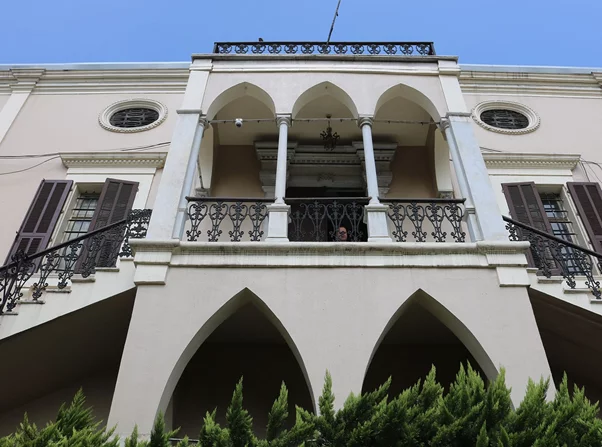
A group of enthusiastic activists keeps Tripoli’s unique Nawfal Palace alive despite funding shortages