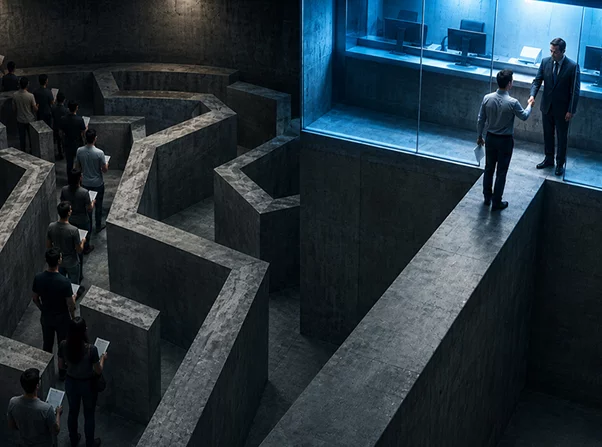
Lebanon’s wasta system blurs the line between survival and privilege, turning public rights into personal favors and making connections more powerful than equal citizenship.
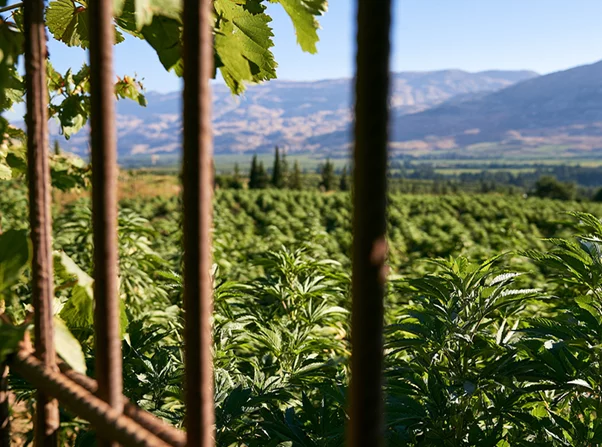
Parliament legalized cannabis cultivation in 2020. Six years later, Lebanon has not issued a single cultivation license. The regulatory framework is reportedly close to completion, but the sector remains blocked by an implementation failure that has left farmers outside the law and the promised industry on paper.
Zahlé has delivered uninterrupted electricity since 1985, offering a compelling case study that suggests Lebanon's power crisis is driven less by technical limitations than by governance, institutional management, and political will.
As Lebanon's crises deepen, the debate over federalism and confederalism is re-emerging as the country searches for a more sustainable political future.
Lebanon’s crisis stems from the collapse of both the State and its political system, calling for a sovereign state and a reimagined governance model that acknowledges societal diversity.
Lebanon’s recurring crises raise a fundamental question: does the country's model of consensual coexistence preserve stability, or prevent the emergence of a stronger national state?