



Lebanese people are increasingly sacrificing social life, healthcare, and everyday comforts as the economic crisis forces survival to take priority over everything else.
When the economy falls ill… health does not survive
When the economy falls ill… health does not survive
By Rimah Hashem | May 21, 2026

Reading time: 3 min
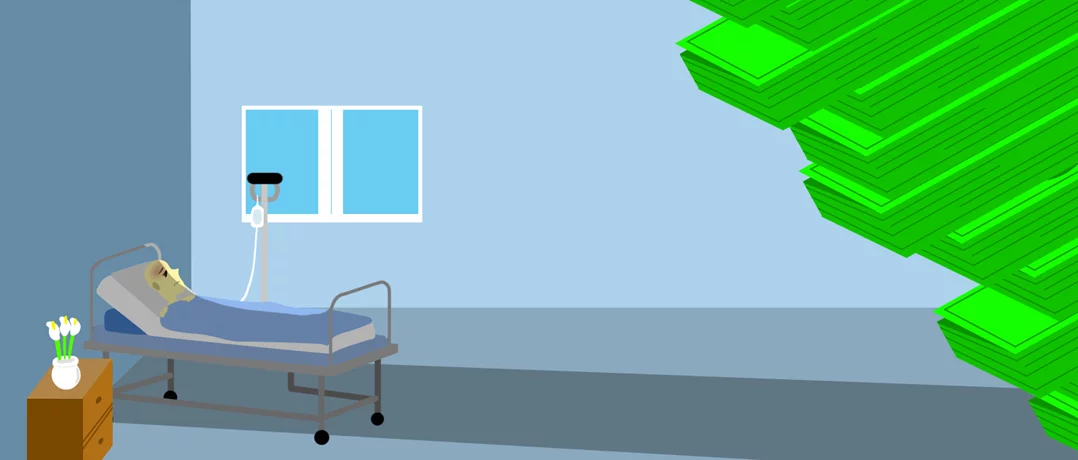
Illustration by Karim Dagher
In Lebanon, the economic crisis is no longer measured solely by the rising exchange rate of the dollar or declining purchasing power. It is now reflected directly in the daily lives of Lebanese people, who have found themselves gradually forced to give up many things that were once considered a normal part of life. Between limited salaries and the continuous rise in the cost of goods and services, priorities have shifted, and even necessities have become “luxuries” in a time of poverty.
The transformation in Lebanese life is no longer limited to travel, luxury brands, or dining at upscale restaurants. It now affects things that, until recently, were considered socially, physically, and psychologically essential, such as family visits, social gatherings, regular medical checkups, and even simple activities that once offered people relief from the pressures of everyday life.
Social visits decline
In a society long known for its strong social ties, family visits have noticeably declined. Transportation costs alone have become a burden for many households, especially with soaring fuel prices. Many people now apologize for missing social occasions or limit visits to the bare minimum, not because relationships have weakened, but because they can no longer afford the costs associated with transportation or even buying a symbolic gift.
One woman explained that her family used to gather almost weekly, but economic conditions imposed a new reality. “Even visits now require calculations, from gasoline to hospitality, everything has become expensive,” she said.
Social occasions have also changed dramatically. Birthday parties have become simpler, weddings have noticeably shrunk, and invitations to restaurants and cafés have declined after the bill moved beyond what many families can afford.
Healthcare becomes a postponed burden
Perhaps one of the most dangerous consequences of the economic crisis is the declining ability to care for one’s health. Many Lebanese people now postpone doctor visits or medical tests because of the high costs, especially amid the lack of effective healthcare coverage for a large segment of the population.
A citizen without health insurance said he now visits the doctor only in extreme necessity. “The consultation alone has become expensive, not to mention the cost of medication and tests,” he explained. Another woman said she had stopped the regular medical follow-ups she had maintained for years because she could no longer afford the expenses.
Among the changes imposed by the crisis is the growing tendency for many Lebanese people to consult pharmacists instead of doctors in an attempt to reduce financial pressure associated with medical appointments. For many families, the consultation fee alone now requires a special “budget,” especially when combined with the cost of tests and medications.
Several pharmacists noted that citizens now come to pharmacies first to describe their symptoms and request medication directly instead of visiting medical clinics as they once did. Some ask for painkillers, anti-inflammatory drugs, allergy medication, and even treatments for stomach or blood pressure problems, relying on old prescriptions or advice from those around them, as medical consultations become increasingly unaffordable.
An employee with a modest salary said, “Visiting a doctor has become a postponed option except in emergencies,” adding that
a consultation can sometimes equal a large portion of a salary, so we try as much as possible to settle for advice from the pharmacist.
While pharmacists play an important role in providing initial health guidance, specialists warn about the dangers of relying entirely on non-medical diagnoses, which may delay the detection of certain illnesses or worsen health problems because of the random use of medication.
Even dental care, once considered part of routine healthcare, has become something many people postpone due to mounting costs. Some patients now rely on painkillers instead of regular treatment, raising concerns about serious long-term health consequences.
The economy suffers too
This shift in consumer behavior affects not only social life but the Lebanese economy as a whole. Reduced consumer spending leads to slower market activity, negatively impacting businesses, job opportunities, and local production.
Economic experts believe the crisis is no longer merely a financial one, but also a crisis of lifestyle. Lebanese people have moved from seeking comfort and luxury to seeking stability and securing only the most basic necessities.
A changing life
Today, Lebanese people live a difficult daily equation, trying to balance limited income against constantly rising expenses. Between electricity bills, fuel, healthcare, and food costs, the space for the things that once brought people comfort, joy, or social connection continues to shrink.
