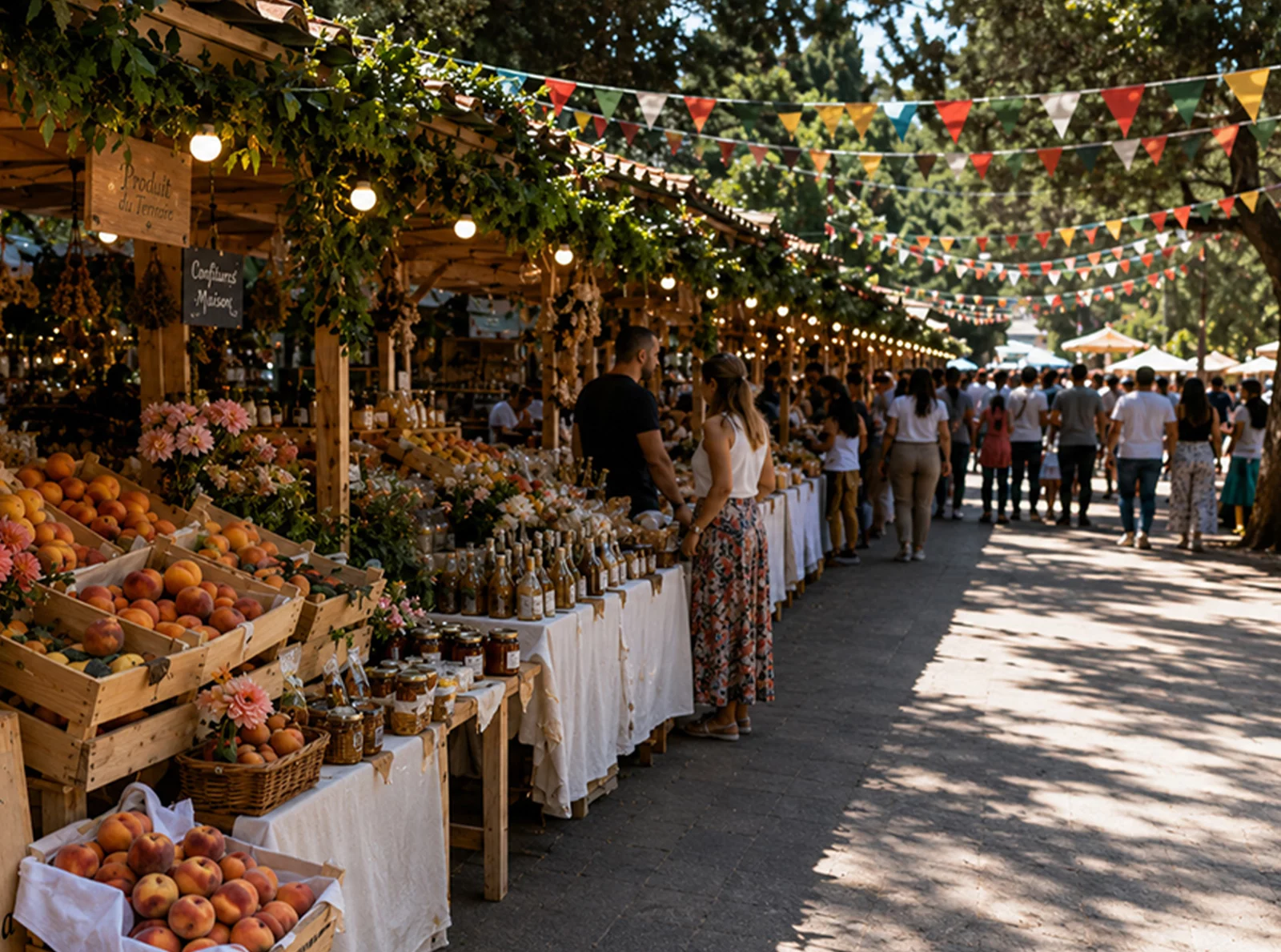
Lebanon's rapidly growing call center industry is providing students and young professionals with higher-paying jobs, international experience, and flexible careers while quietly becoming one of the country's fastest-growing employment sectors.



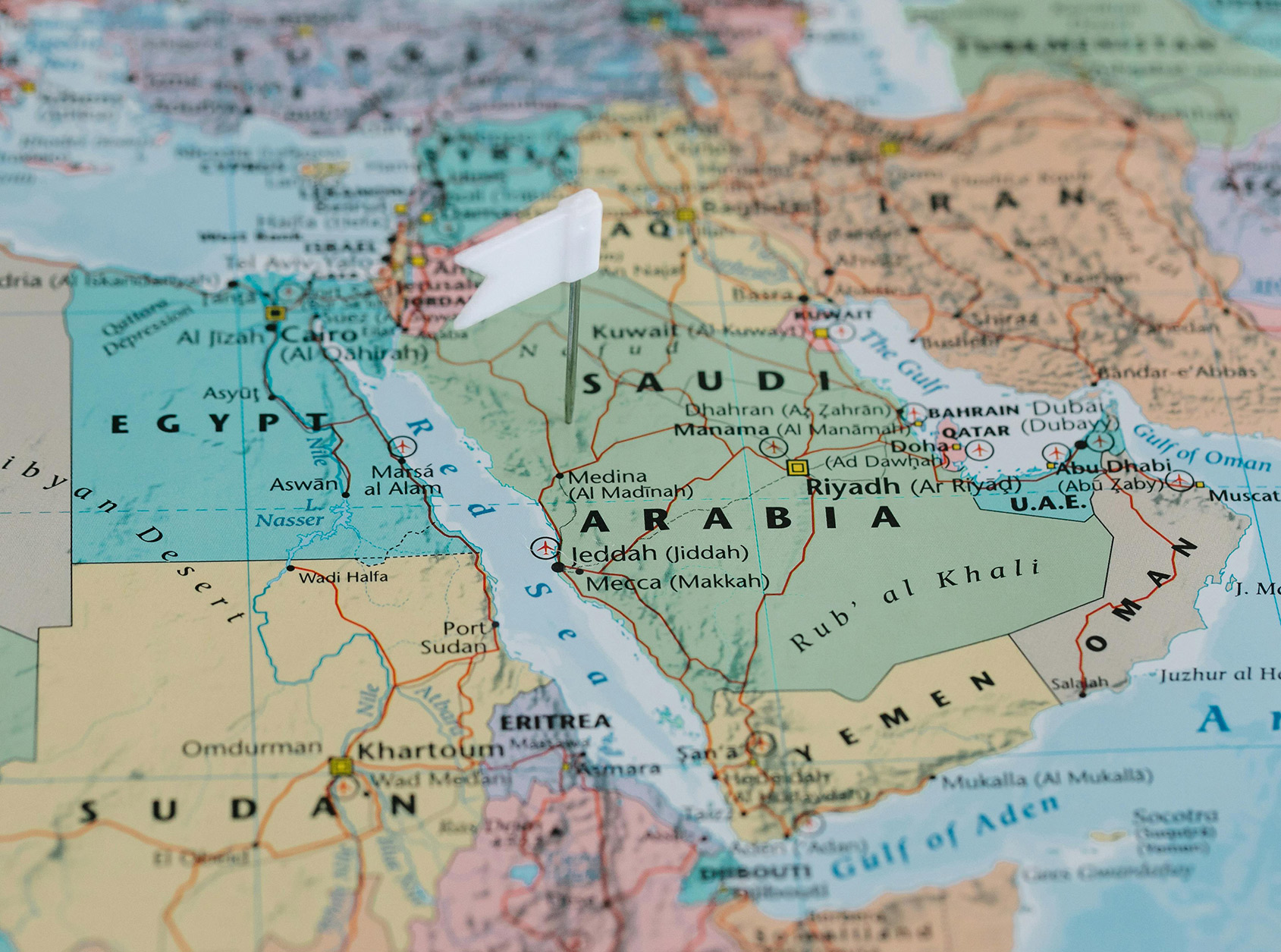
UNESCO has placed Lebanon's Ancient City of Tyre and the five Jabal Amel Castles on the List of World Heritage in Danger, recognizing their outstanding cultural value while mobilizing international support to protect and restore sites damaged by recent conflict.

The Lebanese University has achieved its highest-ever position in the Times Higher Education Impact Rankings, highlighting how institutional reform, international collaboration, and resilience through years of national crises have strengthened its global standing.



An exclusive interview with Middle East Institute Senior Fellow Fadi Nicholas Nassar examines why many in Washington believe Lebanon has a historic opportunity to restore sovereignty, disarm Hezbollah, and reshape the regional balance of power through renewed U.S. engagement.

The suspicious fire at the Ministry of Telecommunications' Dekwaneh warehouses has reignited concerns over public safety, accountability, and the protection of Lebanon's state assets, exposing broader weaknesses in the management and security of government facilities.


Lebanon's Finance and Budget Committee is nearing completion of amendments to the banking reform law, with only a handful of issues still under discussion. The proposed changes are key to advancing reforms sought by the IMF and reshaping the country's banking sector.

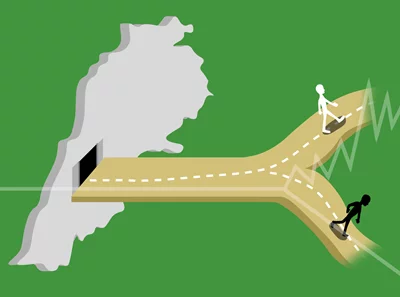




A new UN Women-led report warns that persons with disabilities, particularly women and girls, remain among the most vulnerable during Lebanon's displacement crisis, calling for urgent reforms to make humanitarian aid more inclusive and accessible.

Gut health has become one of wellness's biggest trends, but experts say the science behind the microbiome is far more complex than social media claims, with healthy habits remaining the most effective way to support digestive health.